



How AI Is Changing Penetration Testing: From Automation to Autonomous Attacks
How AI Is Changing Penetration Testing: From Automation to Autonomous Attacks

- Last Updated: April 30, 2026
James Miller
- Last Updated: April 30, 2026
Cyberattacks are getting smarter. And the tools used to defend against them need to keep up.
Penetration testing has always been the go-to method for finding security gaps before attackers do. But traditional pen testing has a problem. It is slow, resource-heavy, and impossible to run at the scale modern infrastructure demands. According to reports, the average data breach now costs $4.44 million. Yet most organizations still run security assessments only once or twice a year.
That gap is exactly where AI steps in.
AI is reshaping penetration testing from the ground up. It is not just automating the repetitive work. It is enabling systems that can think, adapt, and simulate real-world attacks with minimal human input. We are moving from automated scanning to fully autonomous attack simulations, and the shift is happening faster than most security teams realize.
This blog breaks down what that actually looks like, what it means for your security program, and what you need to know to stay ahead.
What is AI-Powered Penetration Testing?
AI-powered penetration testing uses AI to simulate cyberattacks against systems, networks, and applications. The goal is to find security vulnerabilities before real attackers do.
Traditional pen testing relies heavily on human expertise. It works, but it's slow and hard to scale. AI changes that by automating repetitive tasks, such as scanning, mapping, and initial exploitation attempts.
The result is faster testing, broader coverage, and more consistent results. Security teams get deeper insights without burning through time and budget. That's why AI-driven security testing is quickly becoming a core part of modern cybersecurity strategy.
Benefits of AI-Powered Penetration Testing
AI is making penetration testing smarter, faster, and more effective. Security teams can now find and fix vulnerabilities with greater precision and less manual effort than ever before.
Faster Testing Cycles
Manual testing takes days or even weeks. AI cuts that down significantly. It runs scans, maps attack surfaces, and identifies weak points in a fraction of the time. Your security team gets results faster and can act sooner.
Broader Vulnerability Coverage
Human testers can only cover so much ground. AI does not have that limitation. It continuously scans across networks, endpoints, and applications simultaneously. This means fewer blind spots and a more complete picture of your security posture.
Continuous Security Testing
Threats do not follow a schedule. AI-powered tools can run penetration tests around the clock without fatigue. This shift from periodic to continuous testing helps organizations stay ahead of emerging threats and evolving attack techniques.
Smarter Threat Prioritization
Not every vulnerability carries the same risk. AI analyzes and ranks findings based on exploitability and potential impact. Security teams can focus on what actually matters instead of wasting time on low-risk issues that pose no real danger.
Reduced Testing Costs
Hiring large red teams for every engagement is expensive. AI handles the heavy lifting on repetitive and time-consuming tasks. This reduces the overall cost of security testing while maintaining a high standard of accuracy and depth.
How AI is Transforming Each Phase of Penetration Testing
AI is not just speeding up penetration testing. It is changing how each phase works from the ground up. Every stage, from reconnaissance to reporting, now looks different with AI in the picture.
In the reconnaissance phase, AI tools collect and analyze massive amounts of data about a target. They map attack surfaces, identify exposed assets, and detect misconfigurations faster than any manual process. This gives testers a stronger starting point.
During exploitation, AI suggests and tests attack paths based on discovered vulnerabilities. It intelligently chains weaknesses together, mimicking how a real attacker thinks. This makes the simulation more realistic and the findings far more actionable.
Post-exploitation and reporting have improved, too. AI generates detailed, prioritized reports that clearly highlight critical risks. Security teams spend less time interpreting raw data and more time actually fixing the vulnerabilities that put their systems at risk.
How to Integrate AI-Driven Pentesting Tools for Autonomous Security
Integrating AI-driven pentesting tools does not have to be overwhelming. With the right approach, security teams can build a smarter, more resilient testing workflow without disrupting existing operations.
Step 1: Assess Your Current Security Infrastructure
Before bringing in any AI tool, understand what you already have. Map out your existing security stack, testing workflows, and coverage gaps. This gives you a clear baseline and helps you choose tools that actually fit your environment.
Step 2: Define Your Testing Scope and Goals
AI tools work best when they have clear boundaries. Define what systems, networks, and applications are in scope. Set clear objectives, whether that is continuous monitoring, compliance testing, or deep vulnerability discovery. Clarity here saves a lot of confusion later.
Step 3: Choose the Right AI Pentesting Platform
Not all AI pentesting tools are built the same. Look for platforms that offer autonomous attack simulation, real-time reporting, and integration with your existing security tools. Options like XBOW and ZeroThreat.ai are worth evaluating based on your specific needs.
Step 4: Run a Controlled Pilot Test
Do not go full scale from day one. Start with a controlled environment or a limited scope pilot. This helps your team understand how the tool behaves, what it flags, and how its findings align with your actual risk landscape.
Step 5: Train Your Security Team
AI handles a lot, but your team still needs to interpret and act on the results. Invest in training so your security professionals understand how the tool works, what its output means, and how to prioritize remediation based on AI-generated findings.
Step 6: Integrate With Your existing Security Workflow
AI pentesting tools should complement your current workflow, not replace it entirely. Connect them with your SIEM, vulnerability management platform, and ticketing systems. This creates a seamless pipeline from detection to remediation without adding unnecessary friction.
Step 7: Monitor, Tune, and Iterate
AI tools improve over time, but only if you actively manage them. Review results regularly, fine-tune configurations, and update testing scopes as your infrastructure evolves. Continuous improvement is what turns a good security program into a great one.
Wrapping Up
AI has moved penetration testing into a different league entirely. What once took weeks of manual effort can now be done faster, deeper, and more consistently. That is not a small shift. It changes everything.
The move toward autonomous attack simulation means security teams can finally test at the speed threats actually move. Waiting for quarterly assessments is no longer a viable strategy when attackers operate around the clock.
The organizations winning at cybersecurity right now are not just buying better tools. They are rethinking how security testing fits into their overall defense strategy. AI makes that rethink possible and necessary.

The Most Comprehensive IoT Newsletter for Enterprises
Showcasing the highest-quality content, resources, news, and insights from the world of the Internet of Things. Subscribe to remain informed and up-to-date.

New Podcast Episode

IoT Is Finally Delivering

Related Articles


Related Solutions

Smart Community Management for HOAs
AI-powered community monitoring with real-time visibility into entrances, parking, and shared spaces.
AI-powered community monitoring with real-time visibility into entrances, parking, and shared spaces.
Iveda
Iveda
Construction Site Safety Monitoring
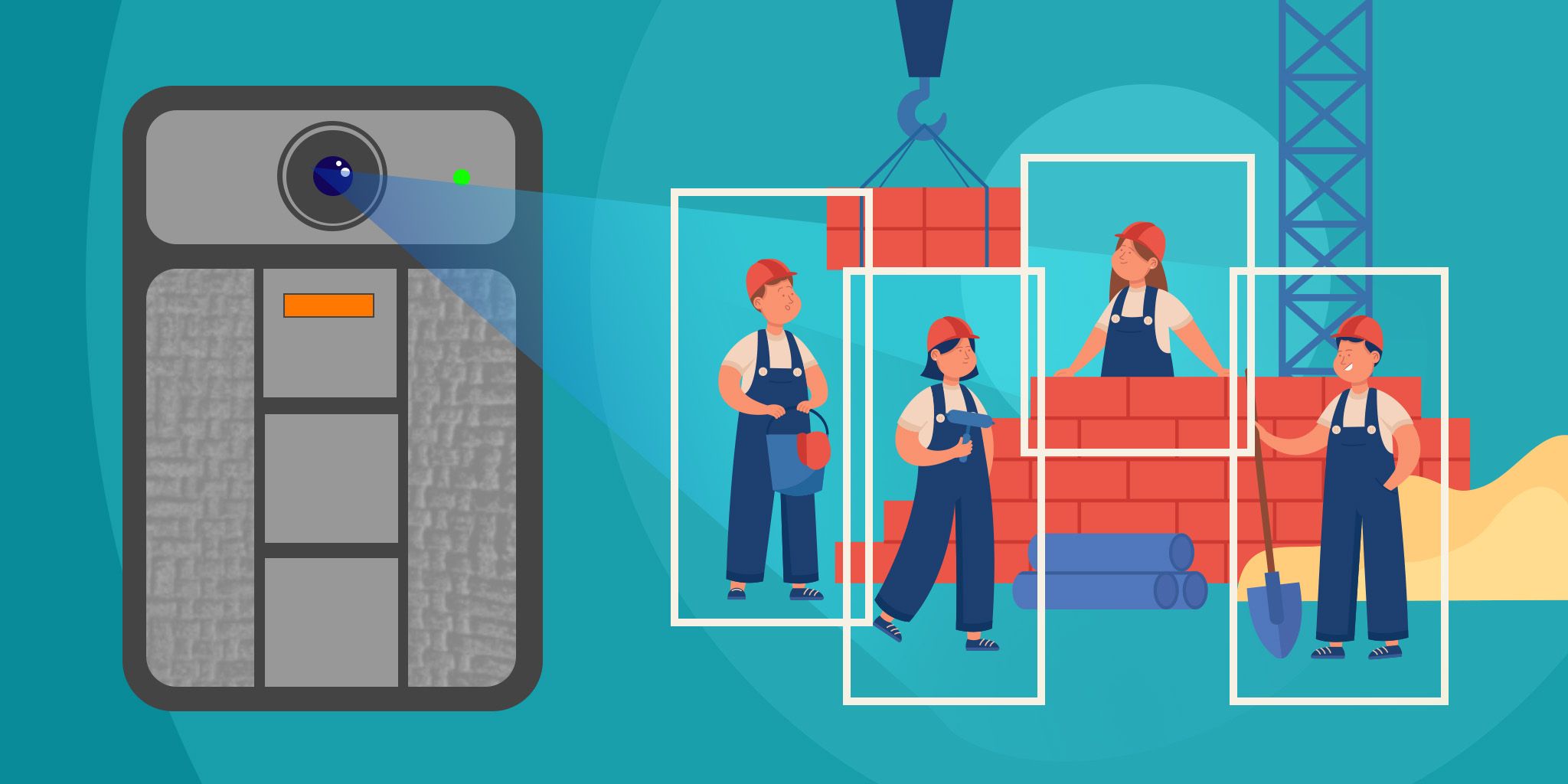
AI-powered wearables for real-time PPE compliance monitoring, hazard detection, and incident documentation.
AI-powered wearables for real-time PPE compliance monitoring, hazard detection, and incident documentation.
Iveda
Iveda

Workers' Compensation Fraud Prevention
Quickly verify claims, reduce investigation time, and protect your bottom line with AI-powered video surveillance and analytics.
Quickly verify claims, reduce investigation time, and protect your bottom line with AI-powered video surveillance and analytics.
Iveda
Iveda

Related Solutions
Buildings & Facilities
Smart Community Management for HOAs
AI-powered community monitoring with real-time visibility into entrances, parking, and shared spaces.
Iveda
Construction
Construction Site Safety Monitoring
AI-powered wearables for real-time PPE compliance monitoring, hazard detection, and incident documentation.
Iveda
Construction
Workers' Compensation Fraud Prevention
Quickly verify claims, reduce investigation time, and protect your bottom line with AI-powered video surveillance and analytics.
Iveda