How Digital Twins Improve Data Center Efficiency
How Digital Twins Improve Data Center Efficiency

- Last Updated: April 28, 2026
Zac Amos
- Last Updated: April 28, 2026
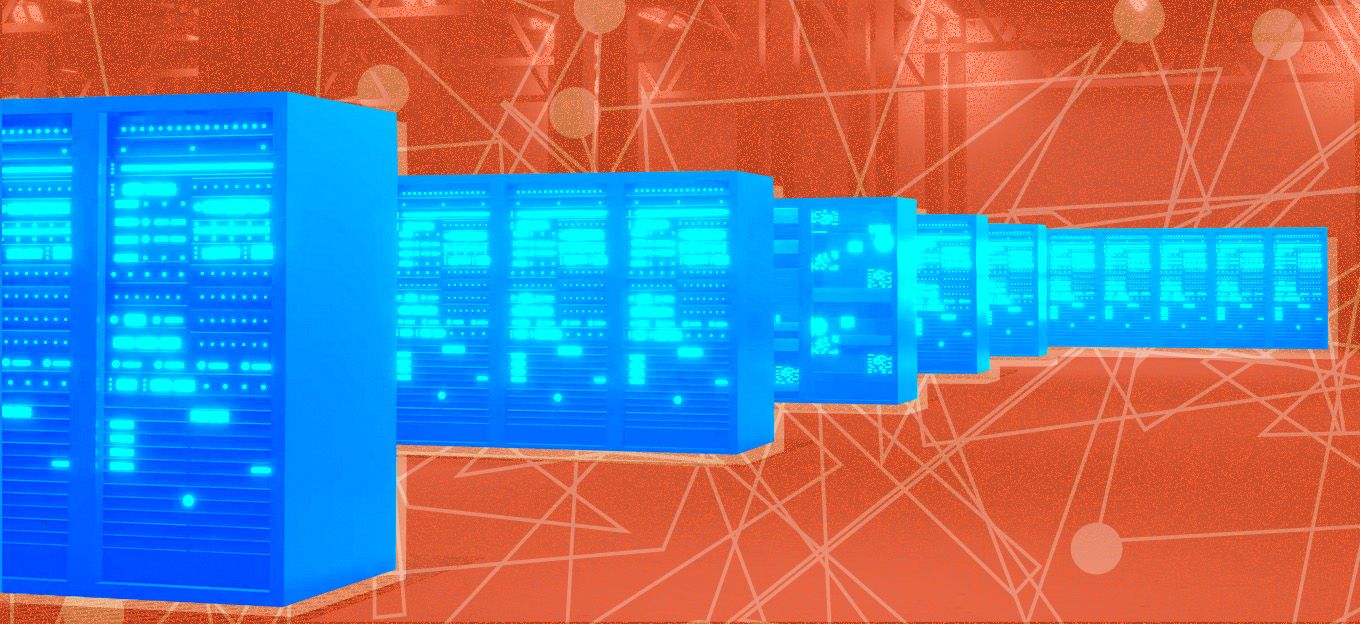
With the widespread adoption of artificial intelligence (AI), data centers have become an important backbone of the global digital economy. Yet they are incredibly complex environments, with thousands of servers that consume significant energy. Managing these intricate variables and minimizing costs is a constant challenge for operators.
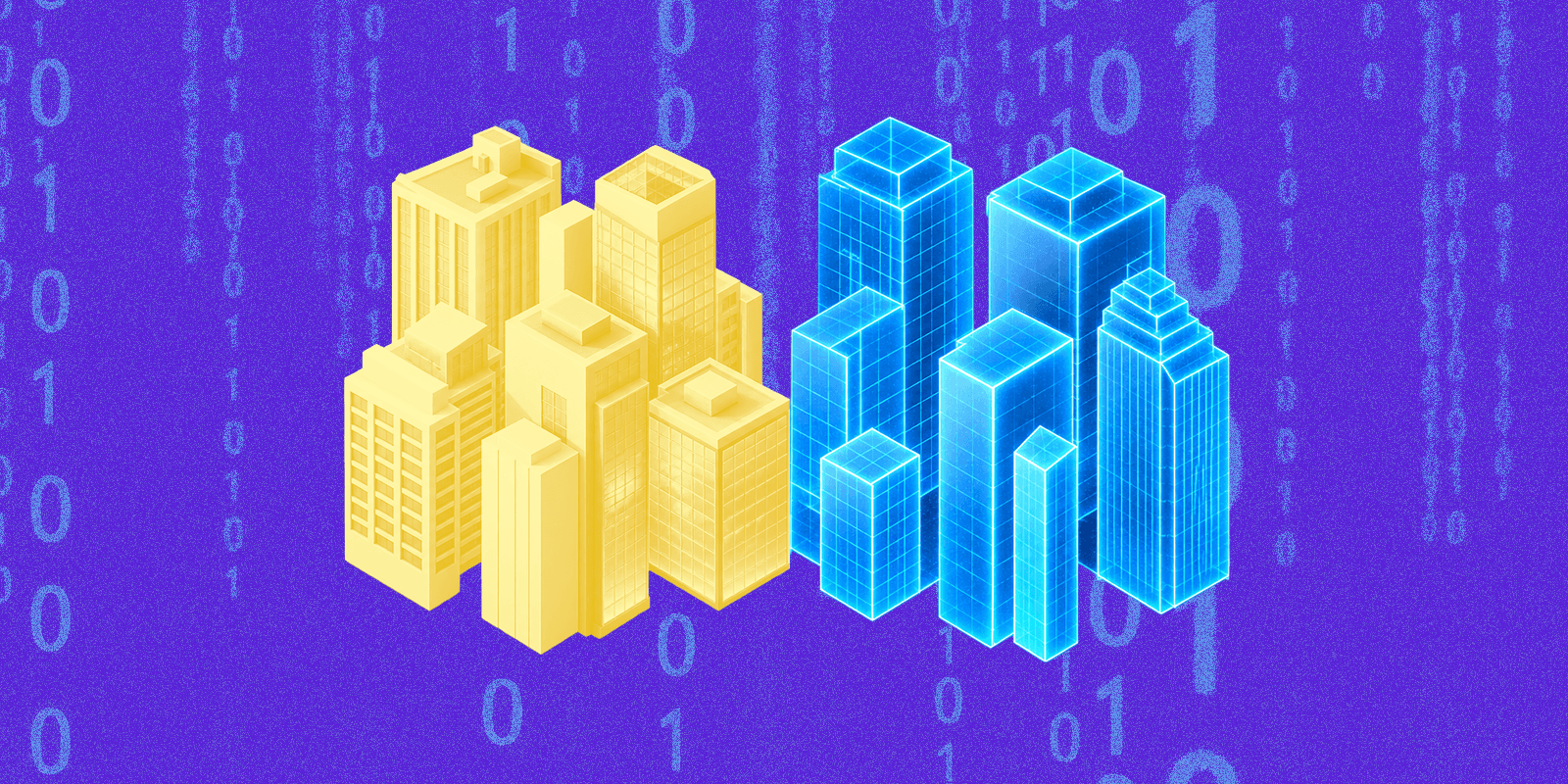
Fortunately, digital twins provide a solution by forming a virtual bridge between physical hardware and digital simulation. These replicas serve as mirrors, allowing operators to visualize and optimize their facilities, ultimately improving data center efficiency.
Understanding Digital Twins
A digital twin is a live, data-driven representation of a physical facility. Sensors throughout a data center collect real-time information about critical factors such as temperature and energy use. This data is what the virtual model interprets, allowing it to mirror the exact state of the physical environment.
The technology is often used to run simulations of operational concepts without risking real hardware, enabling accurate predictive analysis. Furthermore, staff members can use the simulation to identify potential problems before they materialize and impact the network, effectively removing the guesswork associated with traditional management.
The ability to see through walls and into server racks provides a level of clarity that was previously impossible. This innovation serves as a testament to the industry's rapid growth and its potential as a resilient, long-term market presence. Looking back, the data center boom was widely anticipated, with forecasts at the time pointing to an average annual growth rate of 15% from 2020 to 2023. In 2026, the sector is showing no signs of slowing down.
Enhancing Thermal Management
Heat is one of the most significant enemies of server health. Data centers must continuously maintain precise temperature ranges to prevent hardware failures, often requiring expensive cooling systems that account for a large portion of a facility’s energy bill. Digital twins help minimize this by using computational fluid dynamics to track how air flows through rooms.
Data analysis allows operators to identify areas of the facility that require cooling, as well as pockets where cooling is being overused or wasted, and to test different floor layouts to determine the configuration that is most efficient and cost-effective. Precise temperature control improves data center efficiency by reducing the workload on air conditioning units.
Capacity Planning and Performance Simulation
Data centers constantly shift servers and hardware, making it difficult to maintain consistent power requirements. Planning for growth entails balancing space, power and cooling considerations. A digital twin allows managers and operators to test key equipment virtually before ordering any hardware.
While one server might seem insignificant, adding to a crowded rack can trigger a cooling failure. The digital twin precisely calculates the heat and power of a new setup and how it will affect surrounding systems. Operators can squeeze more performance from the existing footprint by accurately predicting capacity needs, delaying the need for expensive physical expansions.
Strengthening Physical Infrastructure and Security
While digital twins have significant applications in energy conservation and thermal management, they also play a notable role in a facility’s design and safety. A data center must protect its physical perimeter just as fiercely as its digital one.
Digital twins allow security teams to simulate emergency situations, such as a fire or power failure, to determine the fastest evacuation routes or the safest placement for backup generators. By visualizing physical infrastructure in 3D, architects can identify vulnerable entry points and integrate security design accordingly. The technology helps ensure that data centers remain resilient against both digital and physical threats.
Achieving Sustainability through Real-Time Data
Sustainability has recently become a highly important regulatory requirement for many institutions. Data centers in particular consume substantial energy to train AI models, underscoring the need for greener practices across the sector.
Measuring a facility’s environmental impact requires a deep understanding of its Power Usage Effectiveness — a ratio that compares total energy use to the energy delivered to IT equipment — which is the primary industry-wide metric for measuring a facility’s energy efficiency. Digital twins track this in real time, providing a transparent view of a facility’s footprint.
Operators can utilize this information to implement more eco-friendly practices, such as running servers at slightly higher temperatures to save on cooling or identifying underutilized hardware that wastes energy. If the virtual model predicts a cooler night, the system can automatically adjust settings to leverage the natural air temperature and reduce energy use. When used strategically, these data-backed adjustments can lead to significant reductions in waste.
The Future of Data Center Operations
Digital twins and their applications in data centers represent a wider shift in how the world manages its digital infrastructure. As AI becomes increasingly prevalent, these virtual models can become even more autonomous. Future systems will likely use the digital twin to make real-time decisions without the need for human intervention, allowing for human capital to be used in more strategic and critical areas. By embracing this technology, organizations can ensure that their facilities remain efficient, cost-effective and sustainable.

The Most Comprehensive IoT Newsletter for Enterprises
Showcasing the highest-quality content, resources, news, and insights from the world of the Internet of Things. Subscribe to remain informed and up-to-date.

New Podcast Episode

Building Real-Time Voice AI Experiences

Related Articles