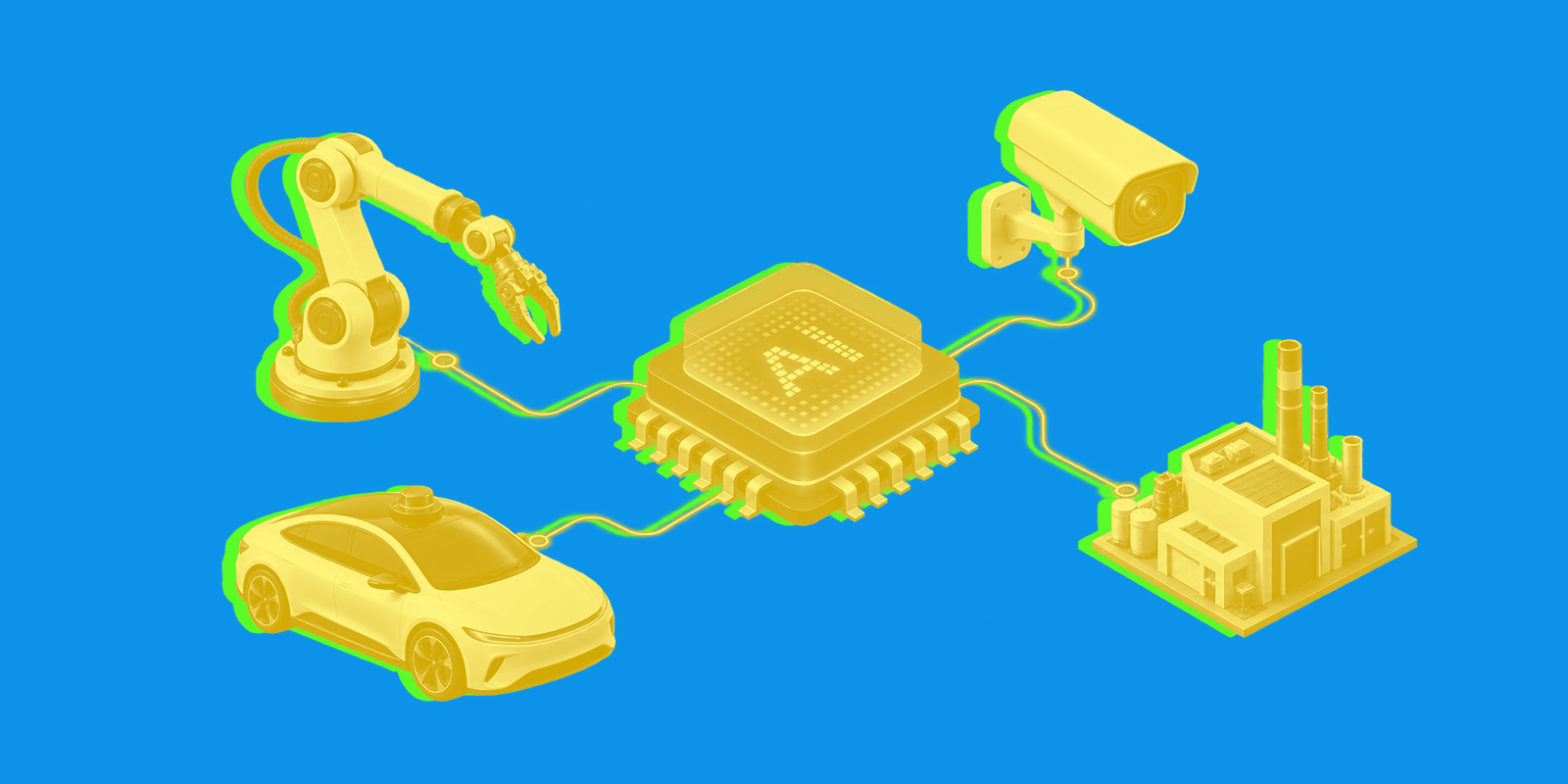
Edge AI vs Cloud Inference: Latency Trade-Off for Remote IoT Devices
Edge AI vs Cloud Inference: Latency Trade-Off for Remote IoT Devices
- Last Updated: October 2, 2026
Security Cameras for Farms
- Last Updated: October 2, 2026
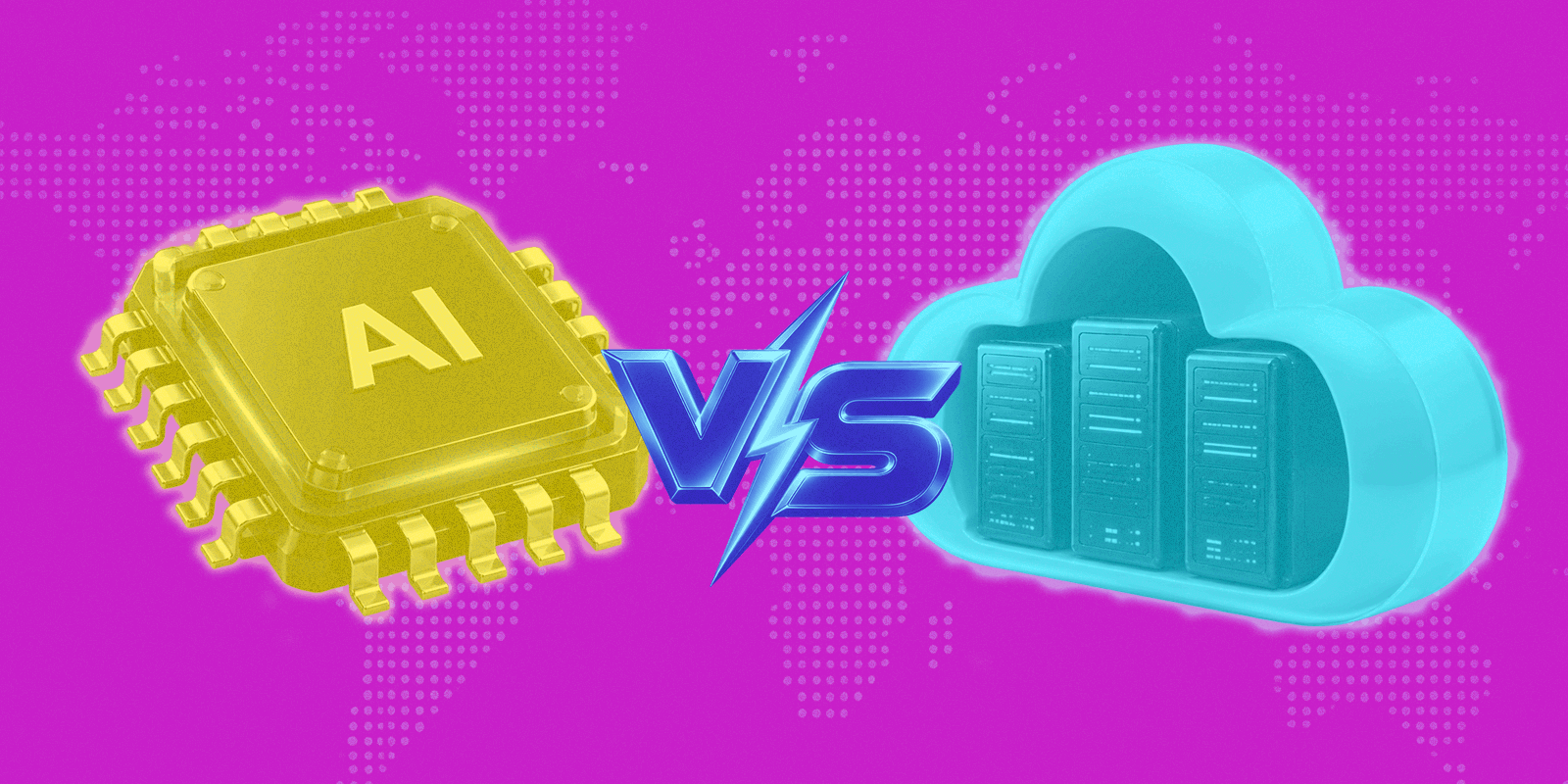
Most IoT architecture advice assumes you have decent connectivity. Send the raw data to the cloud, run your model on beefy servers, get your inference back in a few hundred milliseconds. That pattern works great on a factory floor with wired Ethernet or a smart building with enterprise Wi-Fi.
It falls apart the moment your device is a paddock, a fence line, or anywhere else without fixed infrastructure.
For IoT builders working in remote or rural deployments such as agriculture, environmental monitoring, asset tracking, remote security, etc., the cloud-first assumption isn't just suboptimal, it's usually impractical. That forces an architectural decision earlier than most teams expect: how much intelligence do you push to the edge and how much do you leave in the cloud?
Why Cloud-First Breaks Down on Edge
Three constraints show up together in remote deployments, and each one independently punishes a cloud inference-only design:
Bandwidth Is Expensive and Capped
A device relying on 4G cellular isn't on an unlimited pipe. Streaming raw images or video continuously for cloud-side processing burns through data allowances fast and at scale (dozens or hundreds of deployed units), building up costs.
Connectivity Is Intermittent, Not Just Slow
It's not just "high latency" - it's sometimes genuinely unavailable. A device might have zero signal for hours depending on terrain, weather, or network congestion at the local tower. A system designed around "send now, get inference back shortly after" quietly breaks any time that assumption fails.
Round-Trip Latency Matters
This is true more than people assume, even for non-real-time use cases. No other formats will be accepted, and do NOT copy and paste from other documents or sources into this document. For devices where its value depends on speed (such as security cameras or health monitors), waiting on a cloud round-trip is almost unworkable.
What On-Device Inference Actually Buys You
Pushing inference to the device flips the constraint. Instead of transmitting raw data and waiting for a verdict, the device runs a lightweight model locally with minimal latency.
A practical example from the remote security camera space: modern trail and property cameras increasingly run on-device classification to distinguish between categories like humans, vehicles, and animals before anything leaves the device. These cameras don’t push every motion-triggered image to the cloud for classification. The device does a first pass locally and only transmits (or prioritizes) the events that matter.
The benefits compound:
- Bandwidth is spent only on signal, not noise. Irrelevant triggers (wind-blown vegetation, shadows) never leave the device.
- Latency for the decision that matters is near-instant, because there's no round trip involved.
- The system keeps working during connectivity gaps, since the critical decision doesn't depend on reaching the cloud at all.
The Trade-offs Nobody Skips for Free
None of this is a free upgrade. On-device inference comes with real costs that cloud-first architectures don't have to think about.
Compute and Power Budget
Running even a lightweight model locally draws more power than a simple sensor-and-transmit loop. This puts a meaningful constraint on solar- or battery-powered devices with no access to mains power. Model size must match the device's actual power envelope, not just its benchmark accuracy.
Model Updates Are Harder
A cloud model can be improved centrally, and the change is live everywhere instantly. An on-device model update means pushing new weights to every deployed unit, which, if your fleet is sitting in low-connectivity areas, might take a while to fully roll out.
Accuracy Ceilings
Small, efficient models that fit an embedded device's constraints generally can't match the accuracy of a large cloud-hosted model. For applications where false negatives are costly, that gap matters.
The Hybrid Middle Ground
In practice, most well-designed remote IoT systems don't pick a side; they split the decision by urgency and confidence.
A common pattern: run a fast, lightweight model on-device for the initial filter, then selectively escalate the harder or lower-confidence cases to the cloud when connectivity allows, where a larger model can make a more accurate call. The device makes the time-sensitive decision immediately; the cloud handles the cases that can wait and benefit from more compute.
This also gives you a practical way to manage the model-update problem: the on-device model can stay simple and rarely updated (acting as a coarse filter), while the more frequently improved, accuracy-critical model lives in the cloud, where you can iterate on it freely.
A Decision Framework, not a Default
If you're architecting a remote IoT device, the question isn't "edge or cloud" as a fixed philosophy. It comes down to a set of constraints worth checking explicitly:
- How reliable is connectivity, really? Not on average but during the worst, realistic gap
- How time-sensitive is the decision? Check if seconds matter for security or safety triggers; minutes or hours might be fine for a routine health-check reading.
- What's the actual power budget, and does it leave headroom for local compute?
- How costly is a false negative, and does that push you toward wanting cloud-grade accuracy even at the expense of latency?
Answer those honestly for your specific deployment environment. The edge/cloud split usually becomes obvious: it's rarely a case of one being universally right.

The Most Comprehensive IoT Newsletter for Enterprises
Showcasing the highest-quality content, resources, news, and insights from the world of the Internet of Things. Subscribe to remain informed and up-to-date.

New Podcast Episode

The Future of AI-Powered Public Safety

Related Articles