



Engineering a Smart Ring: Balancing Sensor Performance, Battery Life, and Form Factor
Engineering a Smart Ring: Balancing Sensor Performance, Battery Life, and Form Factor

- Last Updated: November 10, 2026
LONGVON
- Last Updated: November 10, 2026
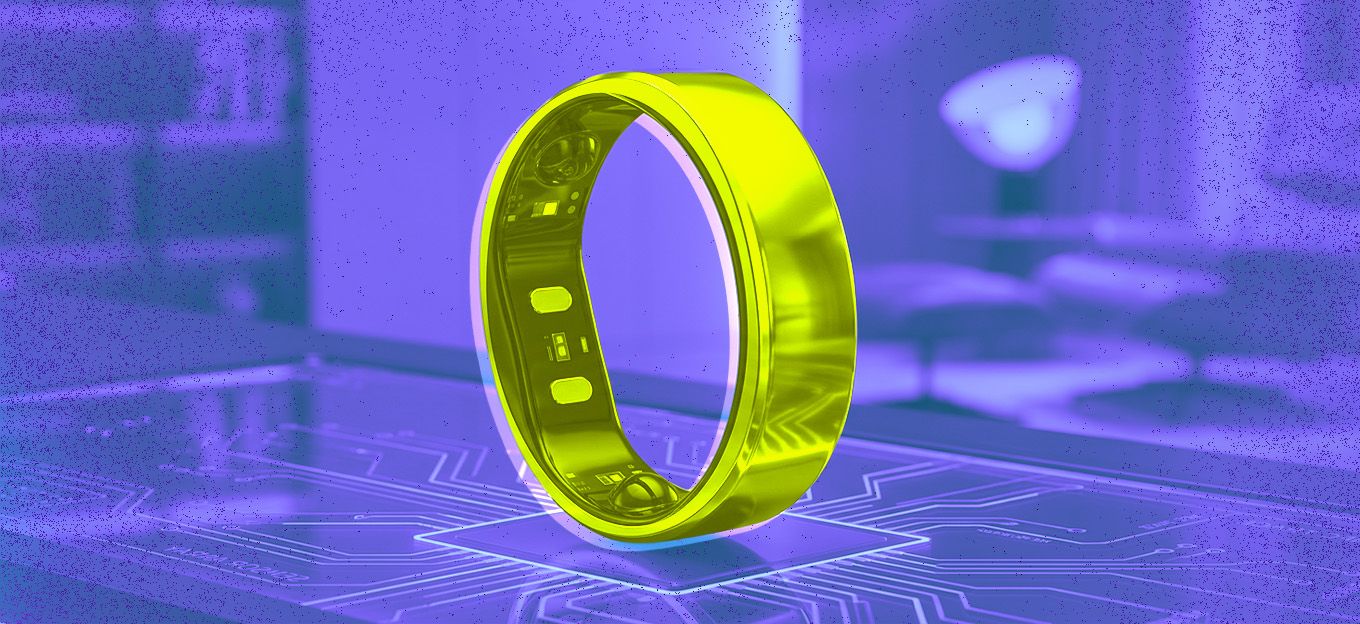
Smart rings look simple from the outside. They are small, lightweight, and designed to be worn throughout the day and night. Inside, however, they combine several demanding engineering disciplines: optical sensing, embedded firmware, power management, mechanical design, wireless communication, and health data analysis.
For teams developing wearable products, the challenge is not simply fitting sensors into a smaller device. It is making the entire system work together reliably under real-world conditions.
1. Optical Sensing Starts with the Use Case
Photoplethysmography (PPG) is widely used in wearable devices to estimate physiological metrics from changes in reflected light. In a smart ring, the optical path is constrained by the ring's dimensions, the placement of its sensors, skin contact, and movement during everyday activities.
Sensor selection should therefore begin with the intended measurement use case rather than a specification sheet alone.
Engineers need to consider factors such as wavelength, optical layout, ambient-light interference, signal saturation, skin contact, and the power required for each measurement mode. A sensor configuration that performs well in one situation may not deliver the same signal quality under different wearing conditions.
The practical goal is to obtain a usable signal consistently while controlling power consumption and avoiding unnecessary hardware complexity.
2. Mechanical Design Is Part of Measurement Quality
A smart ring has very little room for components. The battery, optical sensors, circuit board, antenna, charging contacts or charging interface, and structural materials must all fit within a compact enclosure.
Mechanical decisions also influence sensing. Ring fit, internal geometry, sensor-window design, and contact pressure can affect the optical signal. A design that looks attractive but does not maintain appropriate sensor contact may compromise data quality.
This makes collaboration between industrial design, mechanical engineering, hardware development, and algorithm teams essential. These decisions should be evaluated together rather than handled as isolated design tasks.
3. Battery Life Depends on the Whole System
A small battery creates a fundamental trade-off between measurement frequency, processing load, wireless communication, and operating time.
Continuous high-frequency sampling may provide more data, but it can also increase sensor power consumption and the volume of data that must be processed or transmitted. Not every measurement requires the same sampling strategy.
An engineering team can evaluate adaptive measurement schedules, efficient signal processing, event-driven data transfer, and low-power operating states. The appropriate approach depends on the metric being measured and the level of temporal detail required.
Power optimization should not be treated as a final step after the hardware is complete. It should be considered during sensor selection, firmware architecture, and algorithm development.
4. Firmware and Algorithms Must Be Designed Together
Collecting sensor data is only one part of a health-monitoring system. Firmware must manage sensor timing, signal acquisition, data quality checks, power states, and communication with the companion application.
Algorithms then need to account for noisy signals, motion artifacts, missing data, and differences between users. A result that appears plausible is not necessarily accurate.
For sleep-related features, teams should distinguish between recording physiological signals, deriving metrics from those signals, and validating the interpretation of those metrics. Each stage introduces different technical questions.
A robust development process defines the intended use of each feature, the quality requirements for its input data, and the validation method for its output. Claims about accuracy should be supported by appropriate testing rather than inferred from sensor specifications alone.
5. Mobile Applications Complete the User Experience
The mobile application is an important part of the system because it presents measurements and trends in a form that users can understand.
A good experience should explain what a metric represents, indicate when data is unavailable or unreliable, and avoid presenting estimates as definitive medical conclusions. Clear descriptions and appropriate limitations help users interpret results responsibly.
For product teams, application development should be coordinated with firmware and algorithm work. Data formats, synchronization, user accounts, software updates, and API integration all affect the reliability of the final product.
6. Validation Should Follow the Intended Use
Engineering validation should progress beyond confirming that a device powers on and communicates with a phone.
Depending on the product and its intended use, testing may include optical signal quality, measurement repeatability, motion-related artifacts, battery endurance, wireless reliability, water resistance, and performance across different wearing conditions.
Health-related metrics require additional care. The reference method, study population, test protocol, and evaluation criteria should match the claim being made. Sleep tracking, for example, should not automatically be treated as equivalent to a clinically validated sleep assessment.
A disciplined validation plan helps teams identify limitations early, prioritize design improvements, and avoid unsupported performance claims.
7. Moving from Prototype to Manufacturing
A prototype can demonstrate that a concept is technically feasible, but production introduces additional challenges. Component availability, manufacturing tolerances, assembly consistency, testing procedures, firmware configuration, and quality control all influence the final product.
Design-for-manufacturing reviews should begin before the design is frozen. Teams should define critical dimensions, inspection criteria, calibration procedures where needed, and traceability requirements.
The transition to manufacturing is also an opportunity to review the complete system. A small mechanical change may affect sensor contact; a component substitution may alter power consumption; and a firmware update may change data quality or battery performance.
These dependencies are why smart ring development benefits from coordinated hardware, firmware, algorithm, application, and manufacturing teams.
Conclusion
Developing a reliable smart ring is a system-engineering challenge. Optical sensing, mechanical design, power management, firmware, algorithms, applications, and manufacturing must be considered together.
The most effective development process begins with a clearly defined use case, makes trade-offs explicit, validates performance under realistic conditions, and treats production readiness as part of engineering rather than an afterthought.
As wearable devices become smaller and more capable, successful products will depend not only on individual components, but also on how well the complete system is designed, tested, and delivered.

The Most Comprehensive IoT Newsletter for Enterprises
Showcasing the highest-quality content, resources, news, and insights from the world of the Internet of Things. Subscribe to remain informed and up-to-date.

New Podcast Episode

The State of LoRaWAN in 2026

Related Articles


Related Solutions
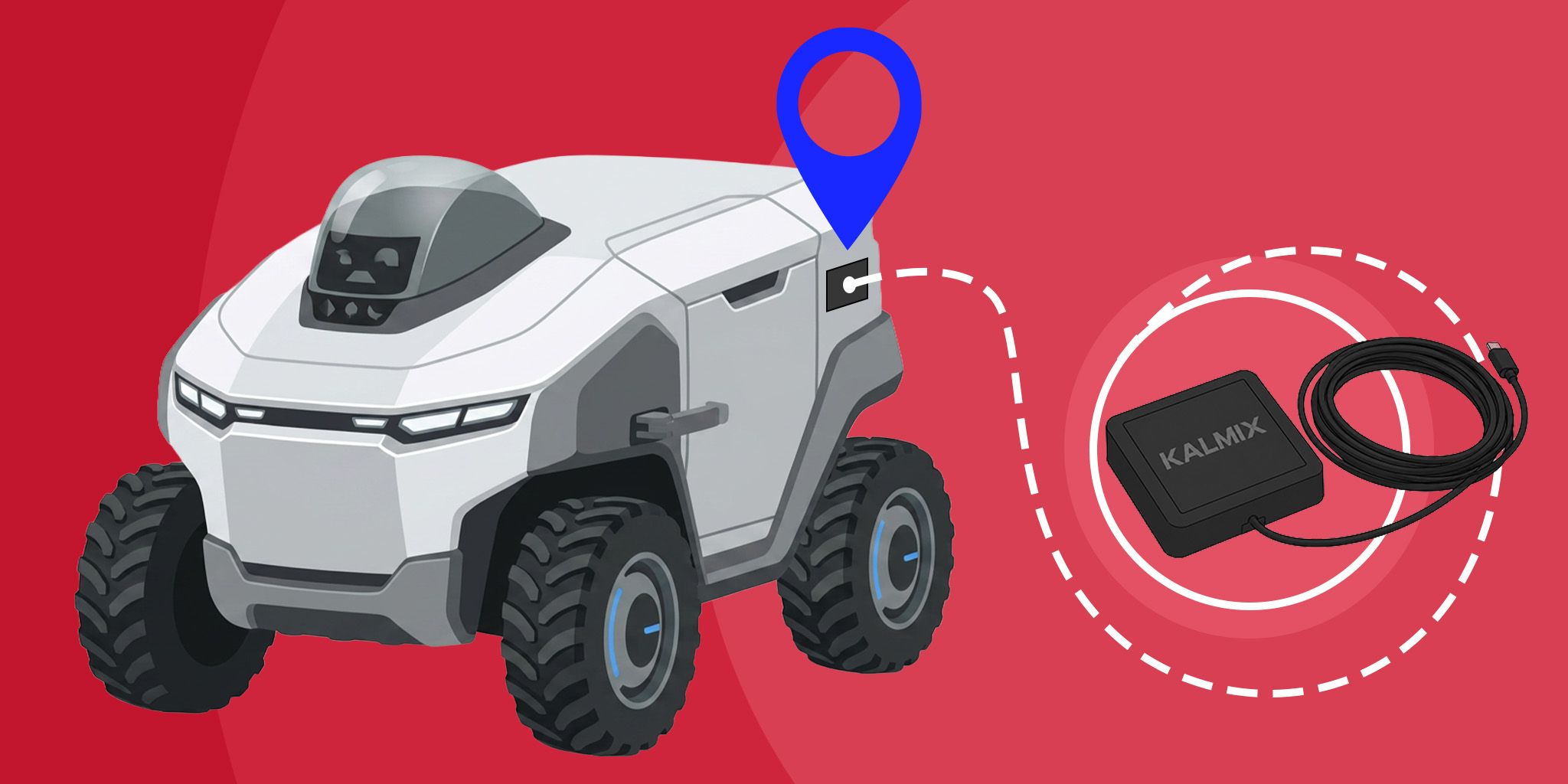
RTK Positioning for Robotics and Field Machines
High-precision positioning. Achieve centimeter-level accuracy without the complexity of building custom hardware from scratch.
High-precision positioning. Achieve centimeter-level accuracy without the complexity of building custom hardware from scratch.
Kalmix
Kalmix

Remote Propane Tank Monitoring
Retrofit LoRaWAN® sensor to provide accurate, real-time fuel level readings from R3D-compatible gauges.
Retrofit LoRaWAN® sensor to provide accurate, real-time fuel level readings from R3D-compatible gauges.
EAMS Technologies
EAMS Technologies


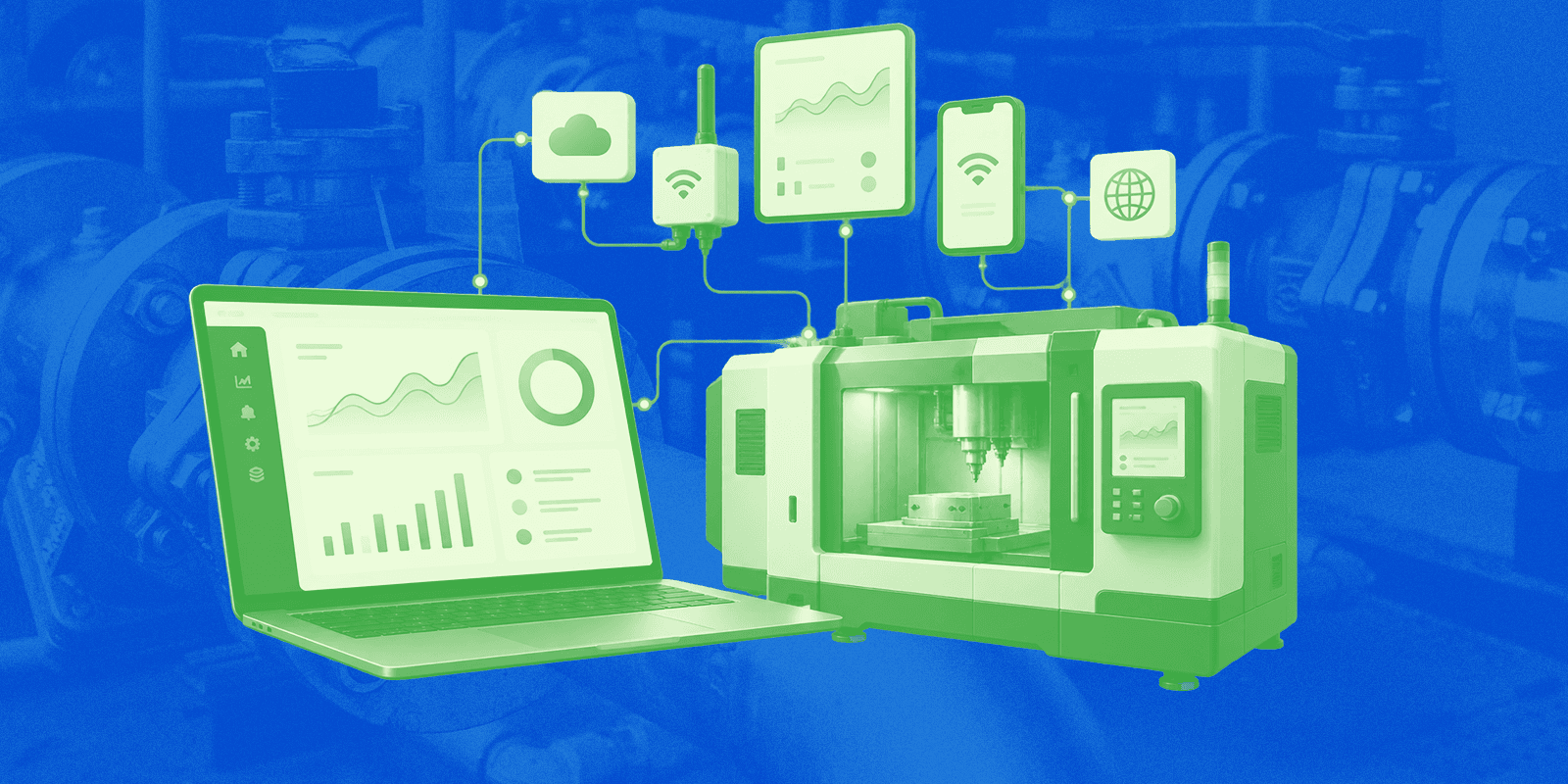
Condition Monitoring and Analytics for Industrial Systems
Monitor, maintain, and automate distributed industrial systems using customizable edge-to-cloud intelligence.
Monitor, maintain, and automate distributed industrial systems using customizable edge-to-cloud intelligence.
Pratexo
Pratexo

Related Solutions
Industrial
RTK Positioning for Robotics and Field Machines
High-precision positioning. Achieve centimeter-level accuracy without the complexity of building custom hardware from scratch.
Kalmix
Industrial
Remote Propane Tank Monitoring
Retrofit LoRaWAN® sensor to provide accurate, real-time fuel level readings from R3D-compatible gauges.
EAMS Technologies
Industrial
Condition Monitoring and Analytics for Industrial Systems
Monitor, maintain, and automate distributed industrial systems using customizable edge-to-cloud intelligence.
Pratexo