


ESP32 vs Nordic nRF52: Which One is Better for BLE Prototype?
ESP32 vs Nordic nRF52: Which One is Better for BLE Prototype?

- Last Updated: October 23, 2026
CoreFragment Technologies
- Last Updated: October 23, 2026
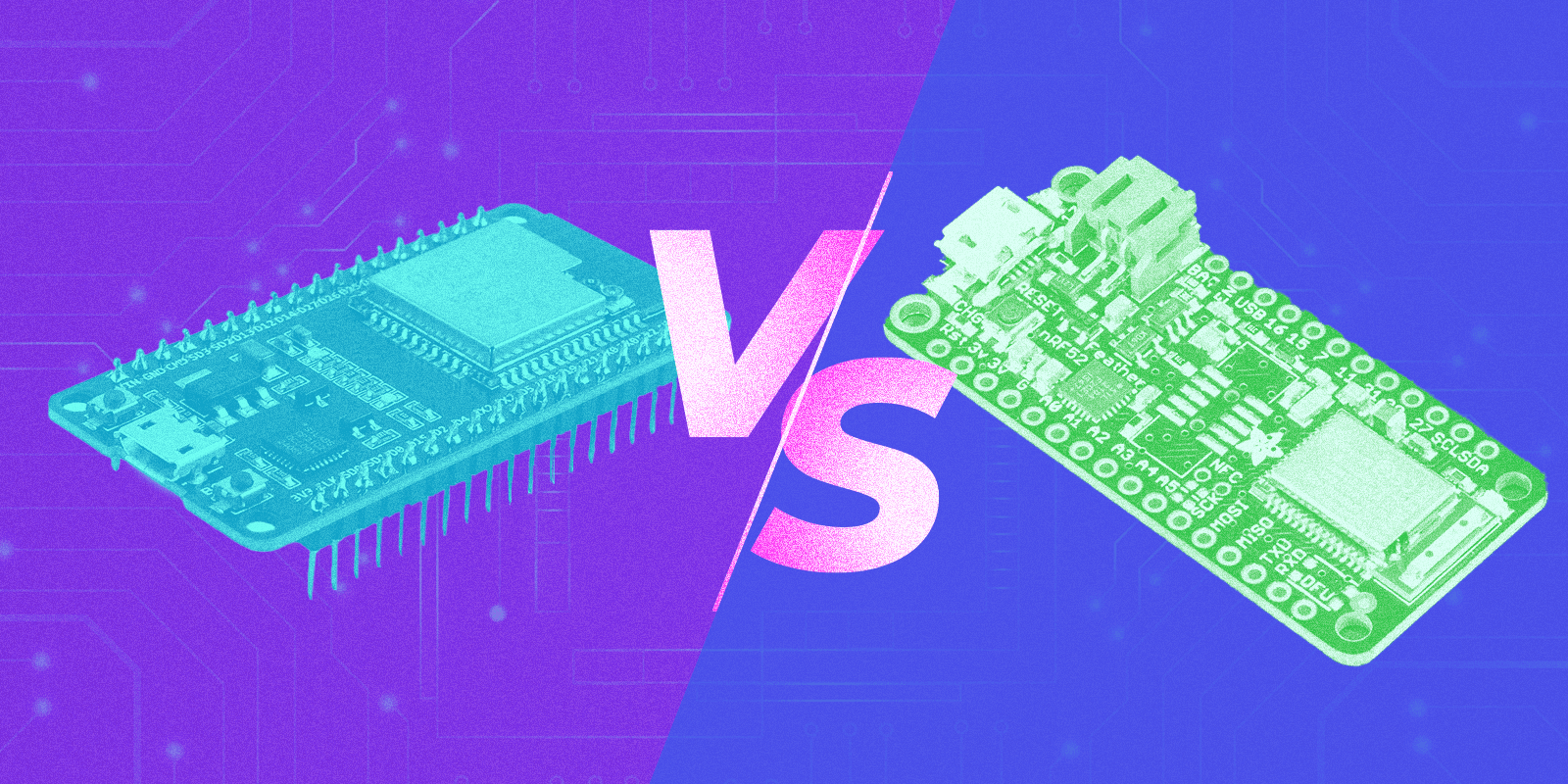
A founder needs a working BLE demo in two weeks to show investors. The team must choose between an ESP32 from a previous project and a Nordic nRF52 dev kit recommended by a firmware engineering vendor. Both can technically run a BLE prototype.
The choice depends on what the prototype needs to prove. Choosing a familiar chip can create wrong expectations for production. This article covers the key trade-offs.
Why Is ESP32 vs nRF52 the Debate?
A prototype for a UX demo has different needs from one designed to validate battery life.
The first needs fast development. The second needs realistic power numbers that can guide production.
Choosing a chip based only on familiarity or availability can result in a prototype that works well but gives misleading production data.
ESP32 vs Nordic nRF52 for a BLE Prototype: What Matters Most
The right choice becomes clearer when the prototype's goal is defined.
Development Speed
ESP32 development tools often decide the choice when a team needs something working in days.
Its large install base means Arduino-style libraries are available for many components. ESP-IDF also has extensive documentation and community examples. Many suppliers offer cheap dev boards.
For a prototype that needs to be demo-ready quickly, ESP32's tooling and community can shorten development time, especially for teams without deep embedded BLE experience.
BLE Radio Performance
Nordic built the nRF52 series specifically around BLE and multiprotocol use. ESP32's BLE capability works alongside its primary Wi-Fi function.
In practice, nRF52 generally offers more consistent BLE performance, lower BLE-specific latency, and a BLE stack with a longer Bluetooth-focused track record.
ESP32 BLE performance is capable and works well for most prototypes. However, its BLE and Wi-Fi radios share underlying hardware resources. This can add coexistence complexity when both are running.
The nRF52 does not face this issue because it has no Wi-Fi radio sharing those resources.
Power Consumption
ESP32: ESP32 has good deep-sleep performance, but its power consumption is generally higher than nRF52. BLE-only operation also draws more active current because the ESP32 is a general-purpose chip designed to support both Wi-Fi and BLE.
Nordic nRF52: nRF52 is designed specifically for low-power BLE applications. It generally provides lower active current and very low sleep current, making it a better fit when the prototype needs to demonstrate battery life.
Cost and the Path From Prototype to Production
ESP32 modules are typically cheaper per unit than nRF52 modules. This matters when the prototype also needs to demonstrate viable unit economics.
However, prototype-volume cost rarely reflects production cost.
The more important question is whether the prototype's chip will also be used in production.
- If the prototype validates the production chip, use the actual candidate chip.
- If it is disposable, optimize for development speed.
- Revisit the production decision using real BOM, power, and manufacturing data.
The BLE SoC used for rapid prototyping does not have to be the same chip used in the final product. But if the prototype is meant to validate the production chip, that requirement should guide the choice from the beginning.
Checklist: Choosing Between ESP32 and nRF52
Ask these questions before choosing the right Devkit.
- Is the main goal development speed, or realistic power, BLE range, and latency numbers?
- Does the prototype need Wi-Fi alongside BLE?
- Does the prototype need to prove battery life?
- Does the team have more experience with Arduino/ESP-IDF or Zephyr/nRF Connect SDK?
- Will the prototype chip also be used in production?
Match the Chip to What the Prototype Actually Needs to Prove
There is no universally correct choice.
ESP32 offers faster development and broader tooling. nRF52 offers BLE-focused performance and better power efficiency. The right choice depends on what the prototype needs to demonstrate.
Choosing the right chip early avoids a common problem: a prototype that demos well but gives misleading signals about production feasibility.

The Most Comprehensive IoT Newsletter for Enterprises
Showcasing the highest-quality content, resources, news, and insights from the world of the Internet of Things. Subscribe to remain informed and up-to-date.

New Podcast Episode

Building Real-Time Voice AI Experiences

Related Articles


Related Solutions
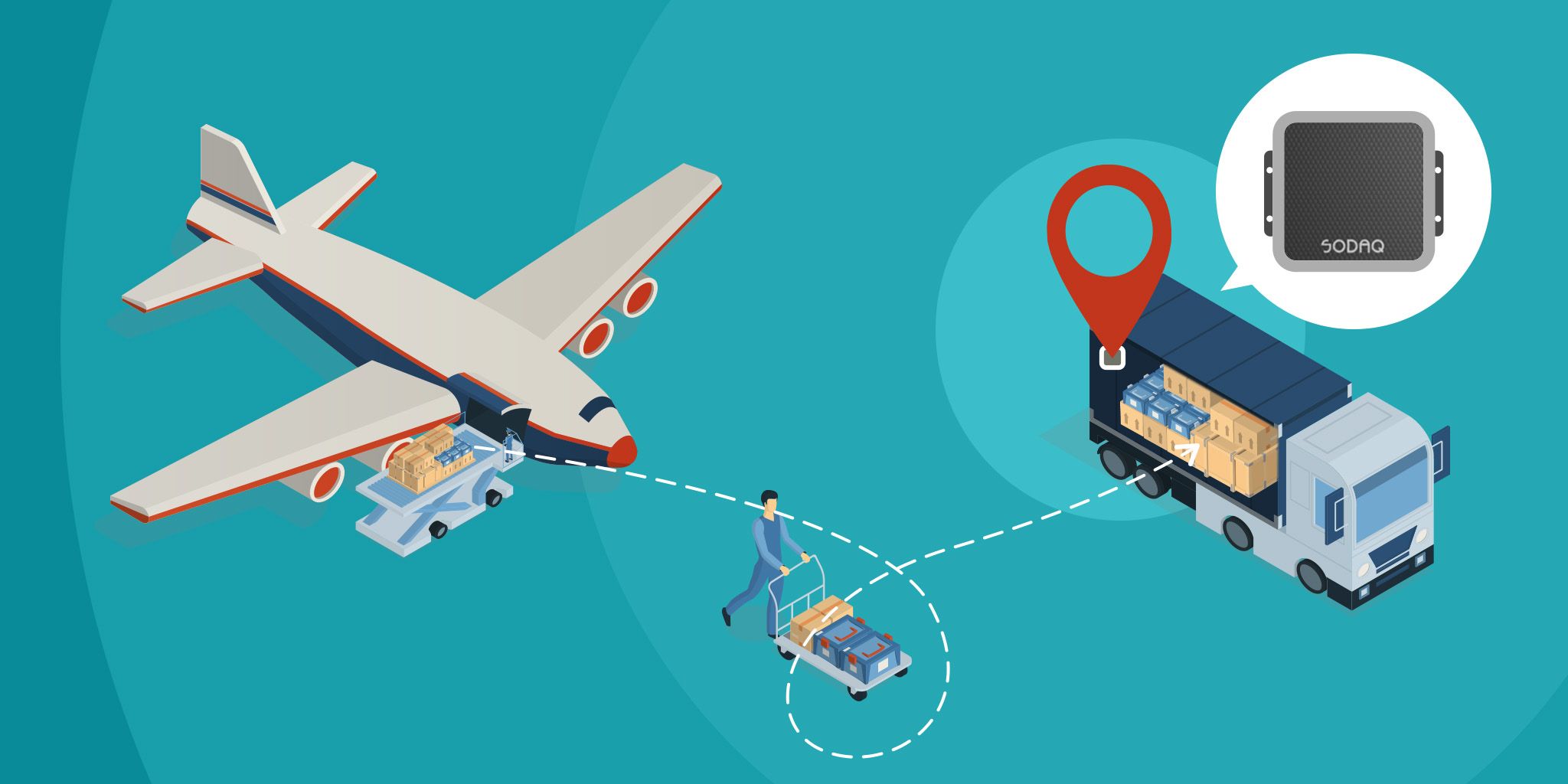
Trolleys and Dollies Tracking for Airports
Track the location and utilization of airport ground support equipment to reduce idle time and improve efficiency.
Track the location and utilization of airport ground support equipment to reduce idle time and improve efficiency.
SODAQ
SODAQ
Indoor Positioning for Correctional Facilities
High-precision indoor positioning with BLE to keep staff and detainees safe and modernize law enforcement processes.
High-precision indoor positioning with BLE to keep staff and detainees safe and modernize law enforcement processes.
Blueiot
Blueiot

Related Solutions
Supply Chain & Logistics
Trolleys and Dollies Tracking for Airports
Track the location and utilization of airport ground support equipment to reduce idle time and improve efficiency.
SODAQ
Buildings & Facilities
Indoor Positioning for Correctional Facilities
High-precision indoor positioning with BLE to keep staff and detainees safe and modernize law enforcement processes.
Blueiot