


How Hybrid D2D Connectivity is Unlocking the Next $1.8T in IIoT
How Hybrid D2D Connectivity is Unlocking the Next $1.8T in IIoT

- Last Updated: March 23, 2026
SKYWAVE
- Last Updated: March 23, 2026

The Industrial Internet of Things (IIoT) market has reached a definitive crossroads. Up until recently, solution providers have been focused on simply getting devices connected and collecting data. Now, IIoT applications need to do more than connect and collect data. End users are looking for more from the system integrators and OEMs providing IIoT applications.
They want to have affordable hardware and communications services that don’t disconnect as soon as the assets they are monitoring, managing, and tracking go out of range of a cell tower. The industry is at a crucial crossroads to advancing the foundational digital infrastructure required by solution providers, system integrators, and OEMs to engineer the next generation of sophisticated IIoT solutions.
With a projected $1.8 trillion valuation by 2028, the biggest growth opportunity for IIoT solutions is happening where cellular networks are unavailable. Think about rural and remote locations like mines, the middle of oceans, and the vast agricultural tracts where cellular signals vanish.
These hard-to-reach places have historically been impossible or too expensive to connect. This has created blind spots for the millions of assets operating outside the reach of terrestrial networks.
High complexity, fragmented connectivity, and lengthy development cycles have acted as a ceiling on growth. There is an important shift underway. The shift is driven by the convergence of smart, low-power devices, Direct-to-Device (D2D) communications, and hybrid networking.
Making it faster and easier for IIoT leaders to accelerate deployment, scale faster, and monetize the full spectrum of IIoT applications is an important step to accessing today’s market growth opportunities.
The Reality of Mission-Critical Connectivity
In the industrial world, unreliable and expensive connectivity have historically gone hand-in-hand. A lapse in connectivity is a threat to the bottom line and, often, to safety in remote operations like monitoring the integrity of a pipeline in the Arctic or managing a fleet of autonomous tractors in a rural area.
Much of the recent buzz around Direct-to-Device (D2D) technology has focused on connecting everyday smartphones to satellites. However, the industrial sector requires something far more robust. Industrial D2D is already here. Industrial D2D is the linchpin of modern IIoT architectures.
Today, millions of assets worldwide access uninterrupted communication by utilizing hybrid satellite-cellular connectivity. This always-on approach allows devices to switch seamlessly between cellular and satellite links based on availability and cost-efficiency. It ensures that an IIoT sensor, gateway, or router remains connected even when it is hundreds of miles from the nearest cell tower.
Why Efficient Development Cycles are Key to Scaling
The complexity of building a truly global IoT solution leads to long development cycles. Eliminating the months-long or even years-long development cycles is central to successfully addressing ever-increasing end-user requirements and expectations. This necessitates hardware ruggedization, multi-network protocols, and international certifications, which can turn the development cycle into weeks instead of months or years.
Success for system integrators and IIoT solution providers hinges on innovation, speed, and scalability. Reducing that time-to-market is often the determining factor in successful revenue and broad market growth for leading IIoT integrators and solution providers. Capturing upstream value is easier when the development cycles are streamlined.
Focus on three pillars to shorten the development cycles:
- Purpose-Built Hardware: One-size-fits-all approaches are not effective. Look for devices that are engineered for the toughest environments on Earth. Equally importantly, identify devices that make it easy to deliver any application with complete hybrid satellite-cellular network coverage in a low-power and easy-to-integrate package. Be certain the hardware is never the weakest link in your company’s solutions.
- Developer Empowerment: Remove the friction from the integration process by using pre-built apps, development kits, and a comprehensive documentation library.
- Expert Implementation: Work side-by-side with technology specialists to design and optimize solutions tailored to the specific use cases you are seeking to address. If you are working globally, look for multilingual support delivered by Field Application Engineers.
Industry Impact: Where the Growth is Happening
When we look at our network of 500+ partners, we see the most significant ROI occurring in industries where data resilience is a strategic imperative. Here are just a few examples:
Industry Use Case Examples
- Agriculture: Enabling smart farming and the management of machinery in remote fields where terrestrial coverage is non-existent.
- Mining & Utilities: Providing the data backbone for remote asset monitoring and worker safety in mining operations or high-altitude environments.
- Transportation & Maritime: Tracking high-value cargo across oceans and borders with seamless transitions between cellular and satellite networks.
- Oil & Gas: Ensuring real-time telemetry for pipelines and offshore rigs to prevent environmental hazards and optimize operations.
The AI Factor: Edge Intelligence Meets Global Reach
We cannot talk about the future of IIoT without talking about Artificial Intelligence (AI). As AI moves to the edge, the demand for reliable data transmission becomes even more critical.
AI models are only as good as the data. If a predictive maintenance algorithm loses its data feed because a truck drives into a cellular dead zone, the model fails. By embedding edge intelligence into devices that never lose connectivity, solution providers and IIoT leaders can offer higher-margin, AI-enabled services that were previously impossible.
Modernizing industrial applications is a strategic imperative for leadership. The companies that invest in modular architectures by integrating hybrid connectivity and edge intelligence will outpace their competitors by delivering a level of data-driven agility that traditional cellular-only solutions simply cannot match.
A Vision for the Connected Economy
I have been in this industry for over 30 years, and I have never seen a moment of greater opportunity. The convergence of cloud computing, AI, and ubiquitous connectivity has created a perfect storm for growth.
I have had the unique opportunity to work on the infrastructure that supports billions of messages and millions of devices. By simplifying the complexity of how to use disparate global satellite and cellular networks leading IIoT solution providers and integrators are delivering transformative solutions that keep the world moving.
The path forward is clear: Modernize intelligently, connect seamlessly, and lead with data. The $1.8 trillion opportunity is ready for builders and innovators like you.

The Most Comprehensive IoT Newsletter for Enterprises
Showcasing the highest-quality content, resources, news, and insights from the world of the Internet of Things. Subscribe to remain informed and up-to-date.

New Podcast Episode

Building Real-Time Voice AI Experiences

Related Articles


Related Solutions
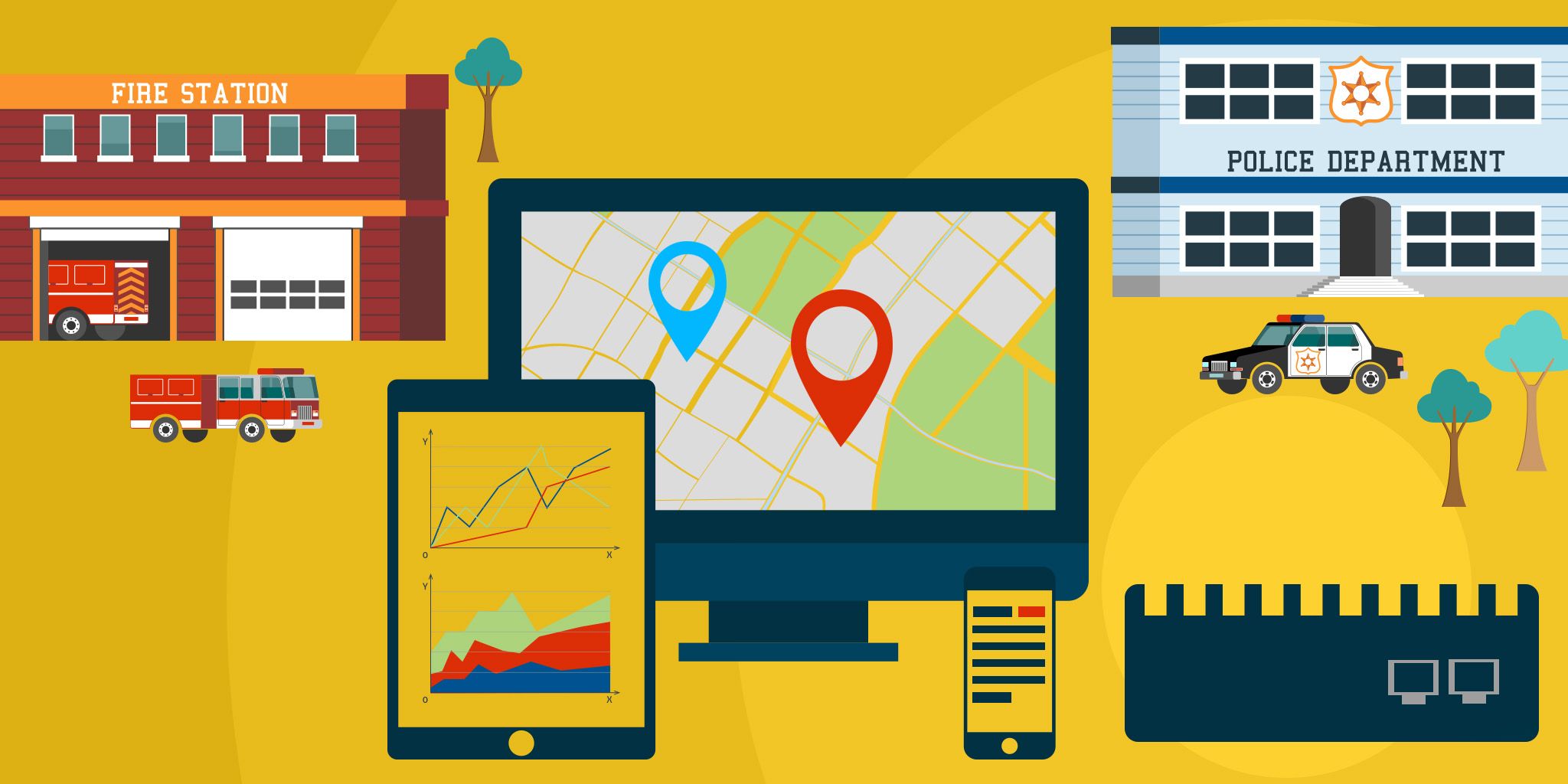
Mobile Networking for Public Safety
Enable data sharing, enhanced situational awareness, and secure communication across vehicles, devices, and command centers.
Enable data sharing, enhanced situational awareness, and secure communication across vehicles, devices, and command centers.
Digi
Digi
Asset and Inventory Monitoring
Track assets, monitor performance, and maintain persistent connectivity to improve supply chain efficiency, security, and uptime.
Track assets, monitor performance, and maintain persistent connectivity to improve supply chain efficiency, security, and uptime.
Digi
Digi

Primary and Failover Connectivity for Retail
4G/5G cellular networks for enabling uninterrupted retail operations with seamless support and rapid deployment across stores.
4G/5G cellular networks for enabling uninterrupted retail operations with seamless support and rapid deployment across stores.
KORE
KORE

Related Solutions
Smart Cities
Mobile Networking for Public Safety
Enable data sharing, enhanced situational awareness, and secure communication across vehicles, devices, and command centers.
Digi
Supply Chain & Logistics
Asset and Inventory Monitoring
Track assets, monitor performance, and maintain persistent connectivity to improve supply chain efficiency, security, and uptime.
Digi
Retail
Primary and Failover Connectivity for Retail
4G/5G cellular networks for enabling uninterrupted retail operations with seamless support and rapid deployment across stores.
KORE