


How to Find a Reliable IoT Connectivity Provider Without Getting Locked In
How to Find a Reliable IoT Connectivity Provider Without Getting Locked In

- Last Updated: September 24, 2026
Monogoto
- Last Updated: September 24, 2026

A reliable IoT connectivity solution isn't simply one that keeps a device online today. It should give you the flexibility to adapt how that device connects as your business, networks, coverage, and fleet change. That's important because IoT devices often stay in the field for years. The connectivity decision you make on deployment day shouldn't have to be the connectivity decision you're stuck with three years later.
Think about a connected vehicle moving across regions, a medical device deployed in a patient's home, or an industrial machine moving between a private facility and a public network. The device may stay the same, but its connectivity requirements can change constantly.
A carrier can have excellent coverage today. A device can have a strong signal today. Your connectivity costs can look predictable today.
But what happens when the device moves to a new market? When another network performs better in a region? When your data requirements change? When you need to introduce private cellular or satellite connectivity? When thousands of devices are already deployed and physically accessing them isn't an option?
Those are the questions that reveal whether an IoT connectivity solution is truly reliable for the long term, and every "how to choose a provider" guide that answers them was written by a company that sells connectivity. That includes this one. The difference is we're going to tell you the parts that don't flatter us either.
Most of these guides converge on the same four bullet points: coverage, reliability, scalability, cost, and stop there. That's not wrong; it's just incomplete. Coverage and reliability are table stakes in 2026; every serious provider will claim both. The questions that actually separate a good long-term decision from a five-year regret are buried further down: what happens when you outgrow the plan, who owns the SIM, and what it costs to leave.
Here's what to actually look for.
1. Global coverage: but look beyond the coverage map
Every IoT connectivity provider will talk about coverage. You’ll see numbers for countries covered, networks available, and geographic reach. These numbers are useful, but they don’t tell the whole story.
The more important question is how that coverage actually works for your devices:
- Does the provider offer access to multiple carrier networks in the same market?
- Can a device move between available networks when conditions change?
- What happens when the preferred network isn't available?
- Can network behavior be changed remotely?
- Does changing connectivity require a new SIM, a hardware change, or a field visit?
Monogoto, for example, provides access to 550+ networks across 200+ countries, with multi-IMSI connectivity designed to provide devices access to multiple networks without requiring a physical SIM swap.
2. Ask what you can change after the device is deployed
This is one of the most important questions to ask and the one that is easiest to overlook.
IoT devices can remain deployed in the field for years. During that time, carrier availability can change, coverage requirements can shift, usage can grow, and your business may expand into new markets. A connectivity solution that works perfectly on day one may not be the right solution three years later, which is really a question of whether changes happen remotely, over-the-air (OTA), or require someone to physically touch the device.\
Ask the provider:
- What can I change remotely once my devices are already deployed?
- Can you change networks without replacing the SIM?
- Can you update connectivity policies without sending someone into the field?
- Can you adjust routing, carrier priority, or data controls without taking the device out of service?
- Can your team make those changes through software or does that require opening a support ticket?
Picture a healthcare company deploying thousands of connected medical devices into patients’ homes. Six months in, network performance reveals a carrier gap in one region. If shifting connectivity means physically accessing every device, switching networks becomes a massive operation. If the carrier profile can be pushed OTA instead, it's a platform change, not a field campaign.
This is what software-defined connectivity actually means in practice: the strongest connectivity platforms, Monogoto included, treat connectivity as something that can be configured and adapted through software, not something permanently fixed the day the device leaves the factory.
3. Make security part of the connectivity architecture, not an afterthought
IoT devices often operate outside controlled environments: vehicles, medical equipment, machines, sensors, and cameras. That makes the connectivity layer an important part of the security architecture, whether you planned for it or not.
- When looking for providers, ask:
- Is device-to-cloud traffic isolated by default, or only on request?
- Does the platform flag anomalous behavior (a device suddenly sending 100x its normal data, or connecting from an unexpected country) automatically?
- Is there real-time audit visibility into every device's connection history, or only monthly billing reports?
Imagine a fleet of connected cameras that regularly transmit a fairly consistent amount of data every day. Then one device starts sending significantly more data than expected, at unusual times. Without device-level visibility, that's either a security incident or an unexpected bill you find out about a month later. With the right connectivity architecture, teams can identify the behavior, apply controls, and investigate the device without treating every irregularity as a reason to physically retrieve hardware.
4. Plan for the network you'll need in three years, not the one you need today
Public cellular covers most deployments. It won't cover all of them. Devices may eventually operate inside industrial facilities, on private campuses, in remote agricultural areas, offshore, or in locations where terrestrial cellular coverage isn't available. That's when organizations can end up managing multiple connectivity providers, SIMs, platforms, dashboards, and contracts.
The question worth asking upfront: what happens when cellular isn't enough? A connectivity architecture built for the long term needs room for public cellular, private LTE/5G, and satellite/NTN connectivity, ideally on the same platform and the same SIM, not a separate product line you'd have to onboard from scratch.
If a provider's answer to "what about dead zones" is "we don't do that," you'll be stitching together a second vendor relationship later, with a second SIM, a second platform, and a second bill.
5. Look at the SIM technology behind your deployment
The SIM is no longer just a static credential installed in a device. eSIM, iSIM, and newer GSMA standards such as SGP.32 are changing how connectivity can be provisioned and managed throughout the life of an IoT device (and how much of that happens over-the-air versus in a warehouse before a device ever ships).
Imagine a manufacturer building the same connected device for customers in North America, Europe, and Asia. At the time of design, they can’t know exactly how carrier relationships or customer deployments will evolve over the next few years. A device that ships with a flexible SIM can have its carrier profile provisioned or updated OTA once it lands in-market, rather than the manufacturer having to guess at build time.
When evaluating a provider, ask:
- Does it support the SIM and eSIM technologies required by your hardware?
- Does it support current relevant GSMA standards?
- Can connectivity profiles be managed remotely?
- How does the SIM strategy support your long-term device roadmap?
- What happens if your connectivity requirements change after devices are already deployed?
6. Make sure the pricing model fits your fleet
IoT fleets rarely behave uniformly. Some devices may send a few kilobytes of data a month, others may transmit significantly more, and some may remain dormant for long periods before waking up. Paying a uniform data allowance across every device usually means paying for capacity most of them never use.
Ask about:
- Usage-based versus fixed pricing
- Per-device or group-level data controls
- Data caps and alerts
- Flexible plans for different device types
- How pricing changes as your fleet grows
- Minimum volume or long-term commitments
It’s important to look at the full picture, not only the monthly connectivity price. Consider the operational cost of changing networks, replacing SIMs, troubleshooting devices in the field, or migrating a fleet when your connectivity requirements change. A logistics company with thousands of assets across warehouses and freight cars may find that the cost of physically replacing SIMs far exceeds the monthly price difference between connectivity plans.
The cheapest connectivity plan isn't necessarily the lowest-cost connectivity strategy.
7. Evaluate the cost of changing your mind
This might be the most important step in finding a reliable connectivity provider. IoT deployments are long-term investments. Hardware can remain in the field for years, while the connectivity environment around it continues to change.
Before signing anything, ask:
- What does it actually take to change my connectivity strategy later?
- If you need to change carriers, do you need new SIMs?
- If you enter a new market, do you need new hardware?
- If a device needs a different connectivity profile, does someone need to physically access it?
- If you want to introduce satellite connectivity, do you need a completely separate platform?
- If your fleet grows faster than expected, do you have to renegotiate your contract?
The Bottom Line
Choosing an IoT connectivity provider isn't just about finding the network that works best today.
Your devices may remain deployed for years. During that time, your markets can change. Network conditions can change. Usage can change. Technology can change. Your connectivity requirements can change with them.
Your connectivity strategy shouldn't be permanently locked to the decision you made on deployment day. Look for a provider that doesn't just keep your devices connected, but gives you control over how they connect throughout their lifecycle.
The IoT Connectivity Provider Checklist
If you take one thing from this post, use it as a checklist against any provider's pitch:
- Coverage that can adapt: Multiple network options in your target markets
- Multi-carrier resilience: The ability to use more than one network without replacing the SIM
- Remote connectivity control: Network, routing, and policy changes without physical device access
- Lifecycle flexibility: The ability to adapt connectivity as devices, markets, and requirements change
- Built-in security: Visibility, traffic controls, and anomaly detection at the connectivity layer
- Multiple connectivity options: Public cellular, private networks, and satellite/NTN where needed
- Modern SIM technology: eSIM, iSIM, and current GSMA standards
- Flexible pricing: Pricing and controls that reflect actual fleet behavior
- Low switching costs: No unnecessary commitments or hardware-dependent migration
Frequently asked questions
How can I find a reliable IoT connectivity provider for my business?
Start by identifying whether your deployment needs single-country or global coverage, then verify the provider's coverage claims are backed by direct carrier relationships rather than resold aggregation. From there, prioritize providers offering self-service control over carrier switching and data policies (avoiding long-term lock-in), built-in security rather than paid add-ons, and pricing that scales with actual usage.
What's the difference between an MVNO and a software-defined connectivity provider?
A traditional MVNO resells access to carrier networks under a fixed contract structure; you get connectivity, but changes to routing, pricing tier, or carrier priority typically require renegotiation. A software-defined provider exposes those same controls through an API and platform, letting you adjust them in real time without a new contract.
Do I need a different provider for remote or offshore IoT deployments?
Not necessarily. Look for a provider whose private LPWAN, private cellular, and satellite connectivity run on the same platform and SIM as their public cellular offering; this avoids managing a second vendor relationship just for coverage gaps.
Is IoT SIM pricing usually fixed or usage-based?
Both models exist. Fixed tariffs are easier to budget but often overcharge for low-usage devices and undercharge for high-usage ones. Usage-based, pay-as-you-go pricing with per-device caps and alerts more accurately reflects how IoT fleets actually consume data.

The Most Comprehensive IoT Newsletter for Enterprises
Showcasing the highest-quality content, resources, news, and insights from the world of the Internet of Things. Subscribe to remain informed and up-to-date.

New Podcast Episode

The Future of AI-Powered Public Safety

Related Articles



Related Solutions
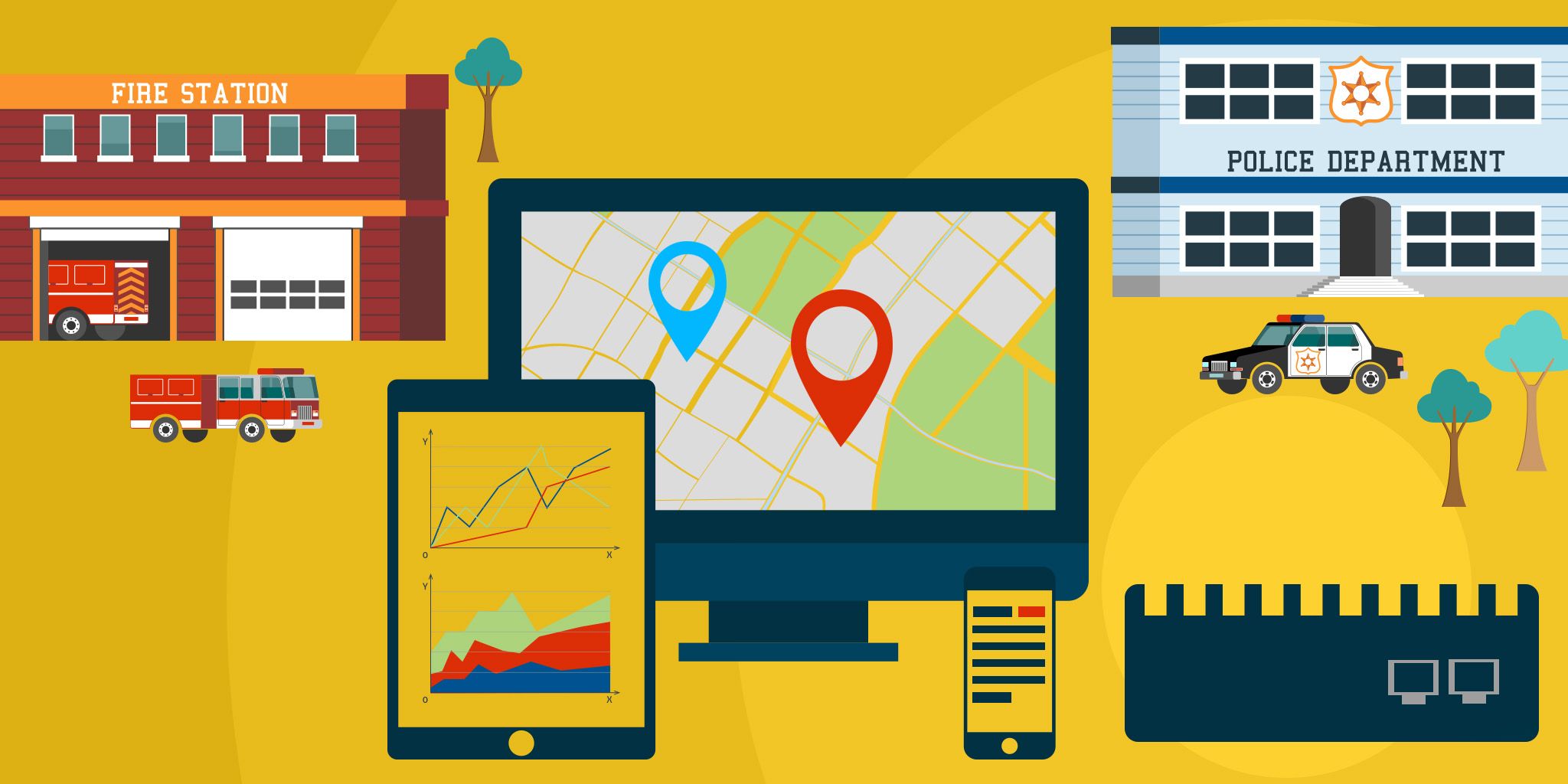
Mobile Networking for Public Safety
Enable data sharing, enhanced situational awareness, and secure communication across vehicles, devices, and command centers.
Enable data sharing, enhanced situational awareness, and secure communication across vehicles, devices, and command centers.
Digi
Digi
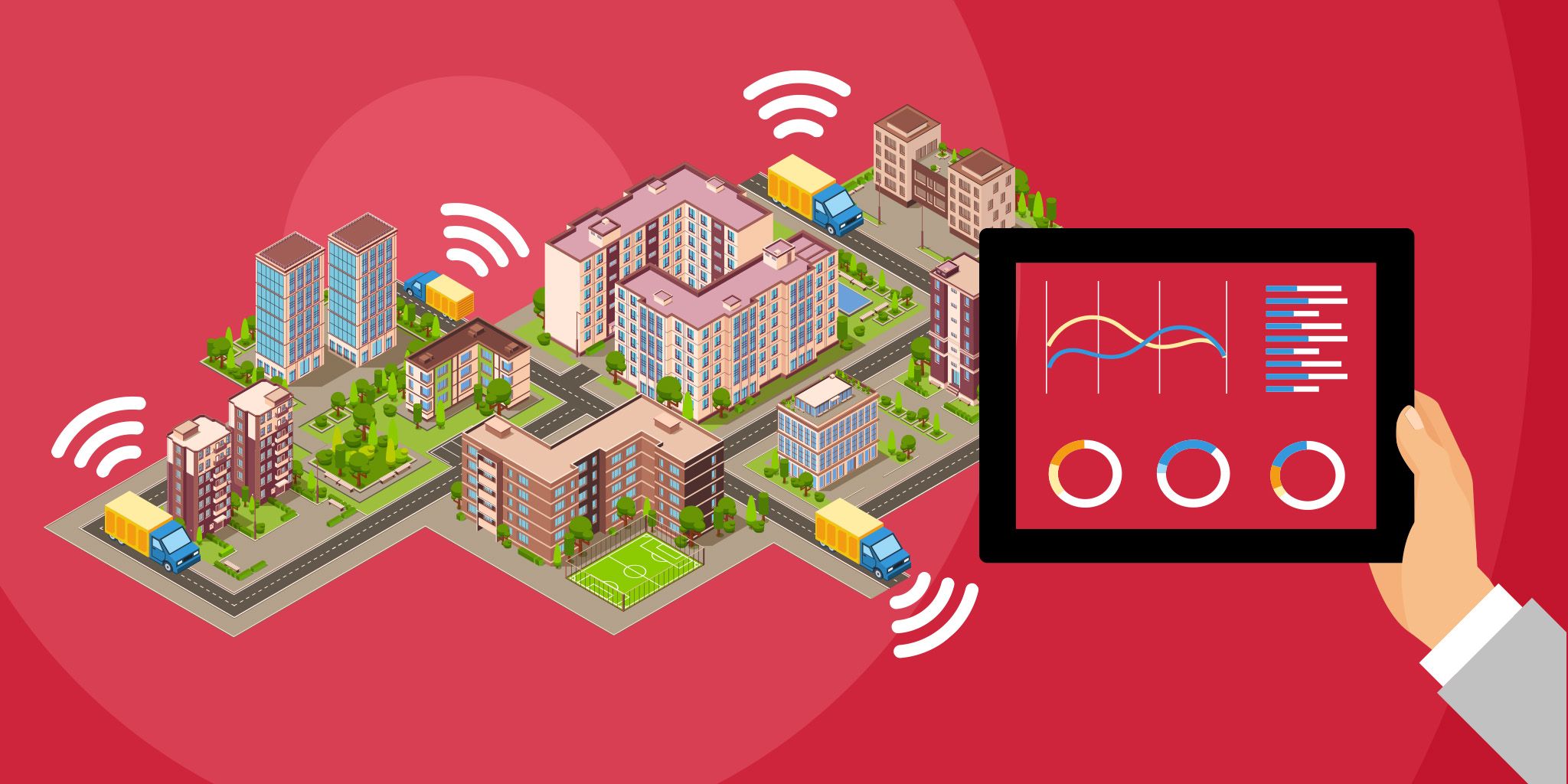
Asset and Inventory Monitoring
Track assets, monitor performance, and maintain persistent connectivity to improve supply chain efficiency, security, and uptime.
Track assets, monitor performance, and maintain persistent connectivity to improve supply chain efficiency, security, and uptime.
Digi
Digi

Primary and Failover Connectivity for Retail
4G/5G cellular networks for enabling uninterrupted retail operations with seamless support and rapid deployment across stores.
4G/5G cellular networks for enabling uninterrupted retail operations with seamless support and rapid deployment across stores.
KORE
KORE

Related Solutions
Smart Cities
Mobile Networking for Public Safety
Enable data sharing, enhanced situational awareness, and secure communication across vehicles, devices, and command centers.
Digi
Supply Chain & Logistics
Asset and Inventory Monitoring
Track assets, monitor performance, and maintain persistent connectivity to improve supply chain efficiency, security, and uptime.
Digi
Retail
Primary and Failover Connectivity for Retail
4G/5G cellular networks for enabling uninterrupted retail operations with seamless support and rapid deployment across stores.
KORE