



How IoT Data Is Shaping The Next Generation Of Smart Construction
How IoT Data Is Shaping The Next Generation Of Smart Construction

- Last Updated: February 5, 2026
Projectmates
- Last Updated: February 5, 2026

With ongoing struggles in the construction industry, owners and capital program leaders must look for efficiency wherever possible. Losing time due to worker injuries, misplaced materials, or machine malfunctions can put a project day past deadline and increase cost overrun.
While owners typically delegate site control to general contractors, they remain accountable for outcomes such as safety, schedule adherence, and budget performance. Implementing a system of tools using the Internet of Things can provide owners with greater visibility into site conditions and risks without compromising safety or accuracy.
Generate Useful Data
A construction site has many moving parts, and traditional methods could hardly keep track of all of them. An integrated system – where all equipment, materials, and employees are optimized – can provide a rich source of data to improve practices and operations. RFID tags on materials can show how they move about the site. Sensors on equipment can generate useful data about runtime and performance.
While this data is captured and initially acted on at the contractor and site-management level, this data goes to a central hub, such as construction management software for owners, for processing and translation into practical insights for site managers. In this model, owner platforms serve as a centralized reporting and oversight layer, ensuring data consistency, accountability, and visibility across projects rather than controlling day-to-day site activity.
Enhance Worker Safety
Given that the construction industry sees the highest number of deaths according to the U.S. Bureau of Labor Statistics, systems that can increase worker safety should be a high priority. For owners, safety performance is both a moral responsibility and a financial risk factor.
IoT is transforming the industry’s safety practices with documentation and data that drives better training and enforcement. Site cameras can identify when workers are not wearing proper PPE and provide alerts to management to rectify the situation. Sensors on equipment can scan for workers in dangerous areas and generate an alert to the operator or even shut down the equipment.
From an owner’s perspective, these systems create a documented record that safety protocols are being enforced, reducing liability exposure and improving confidence that contractors are meeting contractual and regulatory obligations.
Increase Site Security
Construction site crime, including theft and unauthorized access, leads to hundreds of millions of dollars in lost materials and equipment every year, on top of what it costs in lost productivity. Owners ultimately bear the financial impact of these losses, whether through schedule delays, replacement costs, or insurance claims. Improving site security might include:
- RFID tags on materials to track quantities and movement
- RFID-based security badges that workers must scan when they enter or leave
- Integrated security camera systems with AI technology that provide alerts when unauthorized people access the site
By establishing clear accountability and visibility into site access and material movement, owners gain greater confidence that projects will deliver as planned, without unexpected disruptions, claims, or downstream operational impacts.
Improve Predictive Maintenance
Construction site equipment can cost hundreds of thousands of dollars, which means that most sites only have precisely the number of tools that they need. Waiting for unexpected maintenance or repairs on equipment introduces schedule risk that can cascade into cost overruns as workers are left waiting on the clock.
IoT sensors can track the performance of the equipment and evaluate oil or fuel levels on a constant basis. For owners, the value of predictive maintenance lies in improved schedule reliability and fewer disruption-related change orders. With this data, owners can better understand whether contractors are proactively managing equipment risks, reducing the likelihood of costly delays caused by preventable equipment failure.
Optimize Site Operations
Although each of these components can improve performance at the construction site, the benefits can add to the whole. Construction site operations require a careful balance of worker needs and project requirements, along with potential complications like material delivery schedules and equipment maintenance.
When all the data from various sensors and systems comes together into one package, owners gain a clearer, more consistent view of how projects are being executed across their portfolio, helping to identify trends, risks, and opportunities for improvement early.
Construction site management is a complicated process. General contractors run the jobsite. Owners are responsible for the outcome. By bringing IoT-generated data into a centralized construction program management approach, owners move from reactive oversight to proactive control, reducing risk, improving decision-making, and delivering projects with greater predictability from planning through closeout.

The Most Comprehensive IoT Newsletter for Enterprises
Showcasing the highest-quality content, resources, news, and insights from the world of the Internet of Things. Subscribe to remain informed and up-to-date.

New Podcast Episode

Building Real-Time Voice AI Experiences

Related Articles



Related Solutions

Emergency Department Workflow Management
Gain a complete view of patient flow, staff activity, and resource availability to reduce wait times, improve satisfaction, and optimize throughput.
Gain a complete view of patient flow, staff activity, and resource availability to reduce wait times, improve satisfaction, and optimize throughput.
Vizzia Technologies
Vizzia Technologies
Sewer Level Monitoring
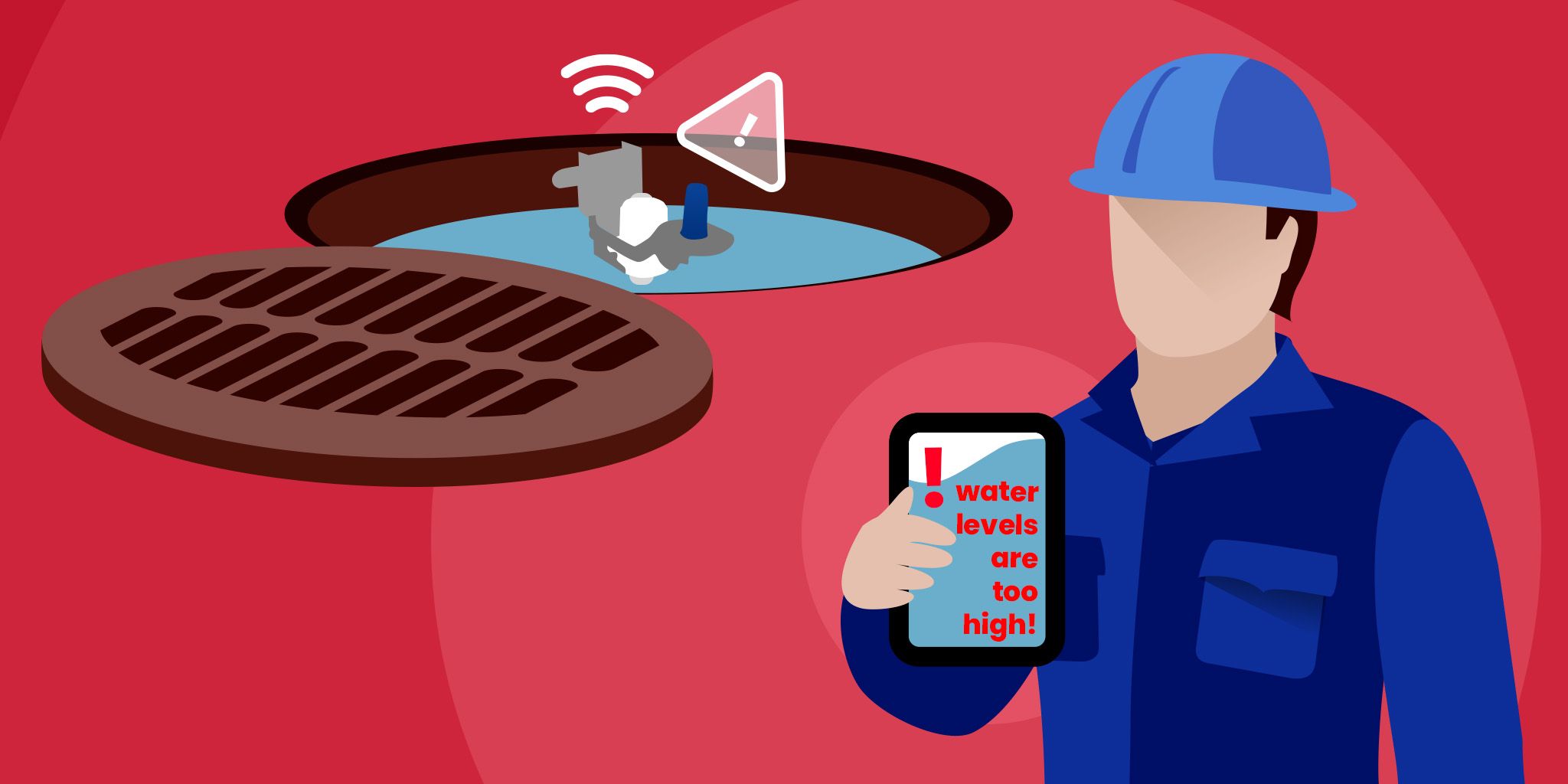
Real‑time sewer level data and early alerts to prevent overflows, prioritize maintenance, and proactively manage networks.
Real‑time sewer level data and early alerts to prevent overflows, prioritize maintenance, and proactively manage networks.
Kallipr
Kallipr
Asset Performance Management for Manufacturers
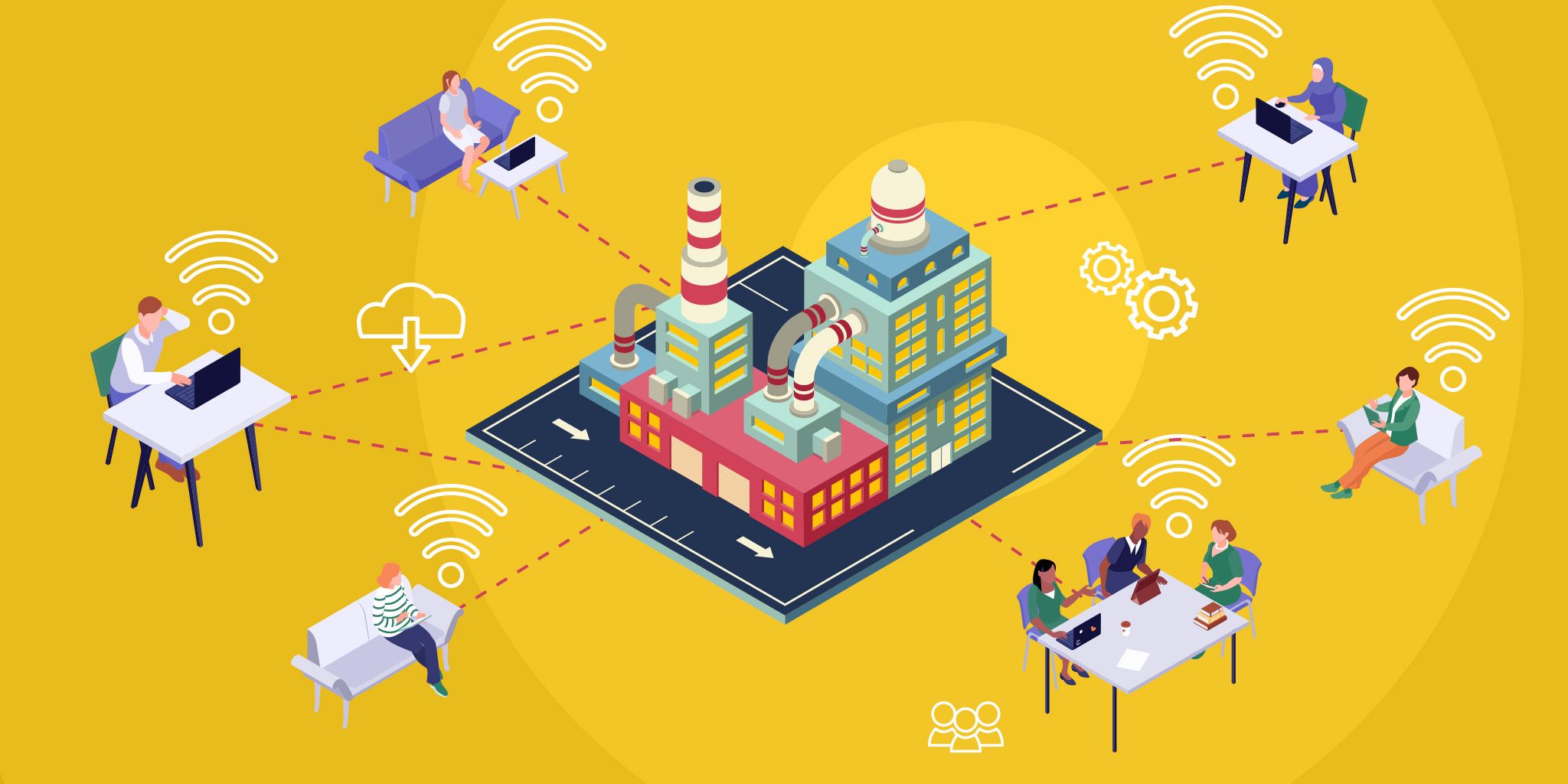
Monitor, manage, and optimize your equipment with real‑time health checks, predictive maintenance, and lifecycle tracking.
Monitor, manage, and optimize your equipment with real‑time health checks, predictive maintenance, and lifecycle tracking.
IoT83
IoT83

Related Solutions
Healthcare
Emergency Department Workflow Management
Gain a complete view of patient flow, staff activity, and resource availability to reduce wait times, improve satisfaction, and optimize throughput.
Vizzia Technologies
Utilities
Sewer Level Monitoring
Real‑time sewer level data and early alerts to prevent overflows, prioritize maintenance, and proactively manage networks.
Kallipr
Manufacturing
Asset Performance Management for Manufacturers
Monitor, manage, and optimize your equipment with real‑time health checks, predictive maintenance, and lifecycle tracking.
IoT83