IoT Device Management: The Foundation of Scalable Connected Ecosystems
IoT Device Management: The Foundation of Scalable Connected Ecosystems

- Last Updated: July 16, 2026
Sandeep Gade
- Last Updated: July 16, 2026

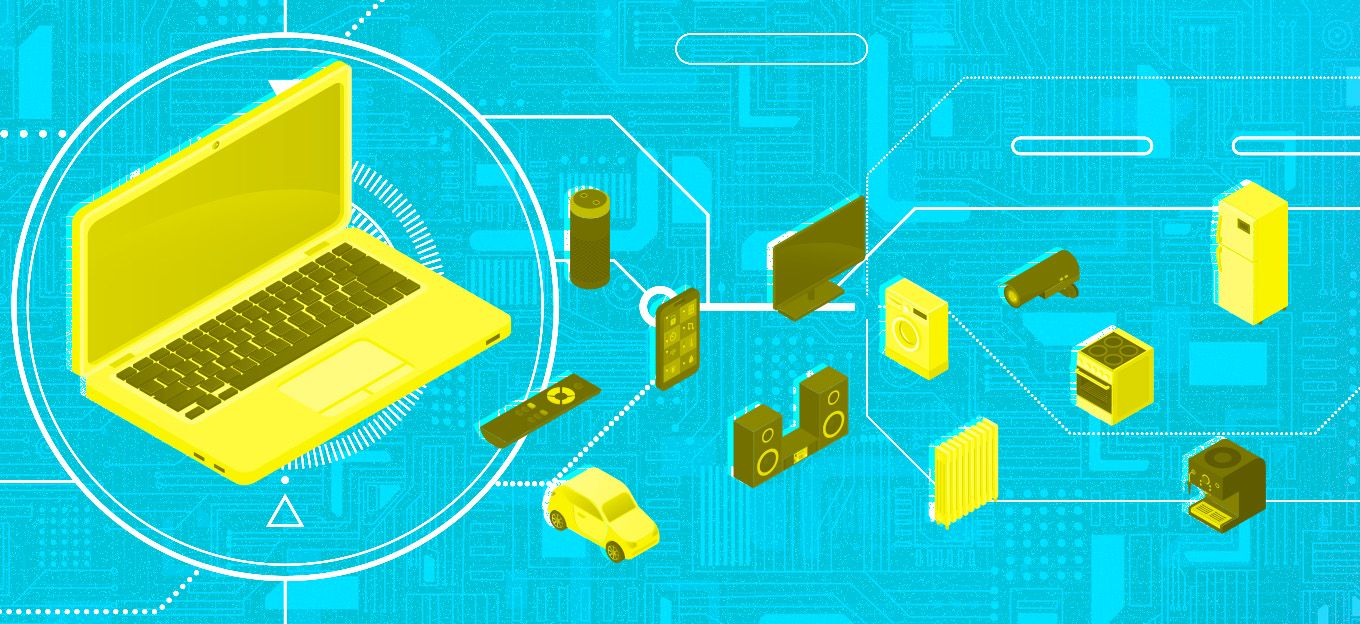
The Internet of Things (IoT) ecosystem is expanding at an unprecedented pace, with billions of connected devices generating vast amounts of operational data across industries. From smart manufacturing facilities and connected healthcare systems to intelligent transportation networks and smart homes, organizations are increasingly relying on connected devices to improve efficiency, automate processes, and gain real-time insights.
As the number of connected endpoints continues to grow, managing device performance, security, connectivity, and software updates has become a critical challenge for enterprises. This growing need for centralized device control is driving the adoption of IoT device management solutions worldwide.
According to Transparency Market Research, the global IoT device management market was valued at US$ 1.58 Bn in 2020 and is projected to reach US$ 10.42 Bn by 2031, expanding at a robust CAGR of 18.7 percent from 2021 to 2031. The market is benefiting from rapid IoT adoption, increasing deployment of connected devices, rising security concerns, and the emergence of Industry 4.0 initiatives across multiple sectors.
What Is IoT Device Management?
IoT device management encompasses the processes, platforms, and technologies used to provision, authenticate, configure, monitor, maintain, and secure connected devices throughout their lifecycle. These solutions enable organizations to remotely manage device fleets, deploy software and firmware updates, monitor performance, troubleshoot issues, and ensure seamless connectivity across distributed environments.
As IoT deployments become larger and more complex, device management platforms have evolved into a foundational component of enterprise digital transformation strategies. They help organizations reduce operational complexity while improving security, scalability, and device reliability.
Growing Demand for Real-Time Data Collection and Analytics
One of the most significant factors driving the IoT device management market is the increasing demand for real-time data collection and analysis. Connected devices continuously generate large volumes of operational data that organizations use to optimize processes, improve customer experiences, and make informed business decisions.
Managing this data efficiently requires advanced device management solutions capable of monitoring device health, collecting performance metrics, and facilitating secure data transmission. Organizations are increasingly leveraging public cloud, private cloud, and enterprise server infrastructures to support these requirements.
As businesses continue to embrace data-driven decision-making, the need for scalable device management platforms capable of handling massive device networks is expected to increase substantially.
Security Concerns Becoming a Key Market Driver
Cybersecurity has emerged as one of the most important considerations for organizations deploying IoT solutions. Since IoT environments connect multiple devices, networks, and applications, maintaining data security becomes increasingly challenging.
Growing concerns surrounding unauthorized access, data breaches, and network vulnerabilities are encouraging enterprises to invest in advanced IoT device management solutions with integrated security capabilities. Features such as device authentication, API security, encryption, remote patch management, and network protection are becoming essential components of modern device management platforms.
The deployment of connected medical devices, health monitoring systems, and critical infrastructure applications has further intensified the focus on security. As a result, market participants are increasing investments in research and development to deliver more secure and resilient IoT management platforms.
Managing Device Complexity in Large-Scale Deployments
As organizations deploy thousands—or even millions—of connected devices, managing these ecosystems becomes increasingly complex. A single malfunctioning device can impact overall system performance, creating operational disruptions and increasing maintenance costs.
This challenge is particularly evident in industries such as manufacturing, automotive, transportation, and utilities, where connected devices operate across geographically dispersed environments. IoT device management platforms simplify operations by enabling centralized monitoring, remote diagnostics, software updates, and network bandwidth optimization.
The growing complexity of connected environments is expected to remain one of the strongest catalysts for market expansion throughout the forecast period.
Industry 4.0 and 5G Accelerating Market Growth
The emergence of Industry 4.0 is creating new opportunities for IoT device management providers. Smart factories increasingly rely on connected sensors, autonomous machines, industrial robots, and predictive maintenance systems to optimize operations.
Simultaneously, the global rollout of 5G networks is enabling faster and more reliable connectivity for IoT devices. Enhanced bandwidth, ultra-low latency, and improved network capacity are supporting the deployment of increasingly sophisticated IoT applications.
As enterprises continue to invest in smart infrastructure and digital transformation initiatives, demand for advanced device management platforms is expected to accelerate significantly.
Market Challenges Remain
Despite strong growth prospects, the IoT device management market faces several challenges. Privacy concerns and the risk of confidential information exposure continue to raise concerns among enterprises implementing IoT solutions.
Additionally, lack of connectivity in remote locations, interoperability challenges among devices, absence of universal IoT standards, and the complexity of real-time data analysis may hinder market growth. Organizations must also address compatibility issues arising from the use of multiple operating systems, communication protocols, and hardware architectures.
Market participants are actively addressing these challenges through standardization efforts, enhanced security frameworks, and the development of more interoperable management platforms.
North America Leading Global Adoption
North America is expected to maintain its position as the largest regional market throughout the forecast period. The region benefits from strong technological infrastructure, widespread adoption of connected technologies, substantial investments in IoT analytics and cybersecurity, and the presence of leading market participants.
Organizations across the United States and Canada are increasingly deploying IoT solutions across manufacturing, healthcare, transportation, retail, and smart city projects. This trend continues to create significant demand for device management platforms that enable real-time monitoring, advanced analytics, and secure device operations.
The strong innovation ecosystem and continuous investment in research and development further strengthen North America's leadership position in the global market.
Competitive Landscape Focused on Innovation and Security
The competitive landscape of the IoT device management market is characterized by continuous innovation, strategic partnerships, and platform enhancements. Leading companies are focused on developing solutions that offer improved security, real-time monitoring, advanced analytics, and seamless integration capabilities.
Major industry participants include: Amazon Web Services Inc., ARM Holdings, Google Inc., Robert Bosch GmbH, IBM Corporation, Microsoft Corporation, Oracle Corporation, SAP SE, Altair SmartWorks, GE Digital, Upswift, and PTC.
Several strategic developments have shaped the market in recent years. Telefonica partnered with PTC to expand IoT application development and analytics capabilities. GE strengthened its Industrial IoT software strategy through the creation of an independent IIoT-focused business. Meanwhile, Siemens, IBM, and Red Hat launched a hybrid cloud initiative aimed at unlocking greater value from industrial IoT data.
These developments highlight the industry's growing emphasis on secure connectivity, cloud integration, and intelligent device management capabilities.
Looking Ahead
The continued growth of connected devices will shape the future of IoT device management, the expansion of 5G infrastructure, increasing adoption of Industry 4.0 technologies, and rising demand for secure data management solutions.
As enterprises scale their IoT deployments, device management platforms will become increasingly intelligent, leveraging artificial intelligence, predictive analytics, automated remediation, and advanced cybersecurity capabilities.
Organizations that invest in robust device management frameworks will be better positioned to maximize the value of their connected ecosystems while ensuring operational efficiency and security.
With strong adoption across industries and growing reliance on connected technologies, the IoT device management market is poised for substantial growth through 2031, creating new opportunities for technology providers and enterprise users alike.

The Most Comprehensive IoT Newsletter for Enterprises
Showcasing the highest-quality content, resources, news, and insights from the world of the Internet of Things. Subscribe to remain informed and up-to-date.

New Podcast Episode

Building Real-Time Voice AI Experiences

Related Articles