


How IoT-Enabled Drone Roof Inspection Improves Smart Building Asset Monitoring
How IoT-Enabled Drone Roof Inspection Improves Smart Building Asset Monitoring

- Last Updated: March 24, 2026
Dania Akram
- Last Updated: March 24, 2026
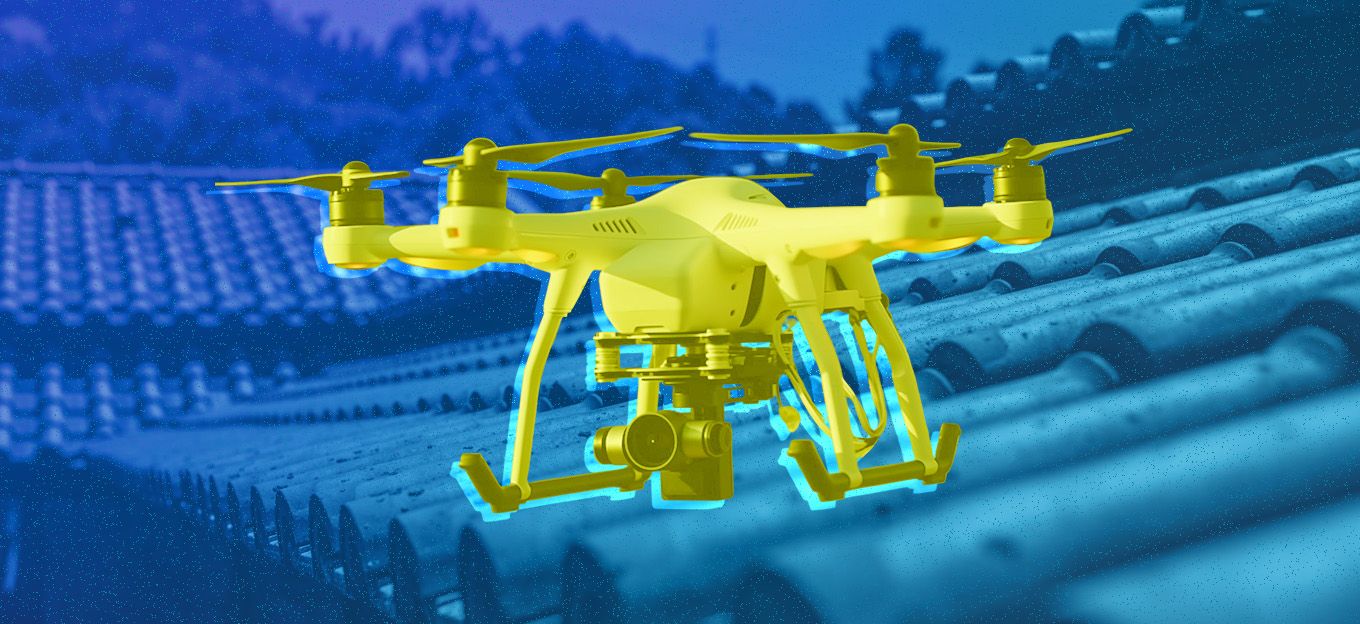
As commercial buildings become smarter and more connected, the way critical assets are monitored and maintained is rapidly evolving. Among these assets, the roof plays a vital role in protecting structural integrity, energy efficiency, and occupant safety. However, traditional inspection methods are often manual, time-consuming, and reactive, identifying problems only after visible damage occurs. Today, the integration of Internet of Things (IoT) technologies with drone roof inspection is transforming this process from periodic manual checks into continuous, data-driven asset monitoring.
IoT-enabled drone inspection combines aerial data collection, connected sensors, and cloud-based analytics to provide real-time visibility into roof conditions. Instead of relying solely on human observation, building operators can now use connected systems to detect early signs of damage, monitor asset health remotely, and make informed maintenance decisions. This shift represents a broader movement toward predictive maintenance and intelligent infrastructure management, where data enables faster response, improved safety, and reduced operational costs.
The Role of IoT in Smart Building Asset Monitoring
The Internet of Things refers to a network of connected physical devices that collect, transmit, and analyze data. In smart buildings, IoT systems monitor assets such as HVAC systems, electrical infrastructure, structural components, and roofing systems. Sensors embedded within or deployed around these assets collect performance and environmental data, which is transmitted to centralized platforms for analysis.
This continuous flow of data allows facility managers and asset owners to monitor asset health in real time. Instead of waiting for failures to occur, IoT systems can identify patterns that indicate early signs of deterioration. For example, changes in temperature distribution, moisture presence, or surface degradation can signal potential roof damage before it becomes a serious structural issue.
By integrating IoT into building asset monitoring, organizations gain several advantages:
- Improved visibility into asset condition
- Reduced reliance on manual inspections
- Early detection of maintenance issues
- Data-driven decision-making
- Extended asset lifespan
In this context, drones serve as mobile IoT data acquisition devices, expanding the reach and effectiveness of connected monitoring systems.
How Drones Function as IoT Data Collection Devices
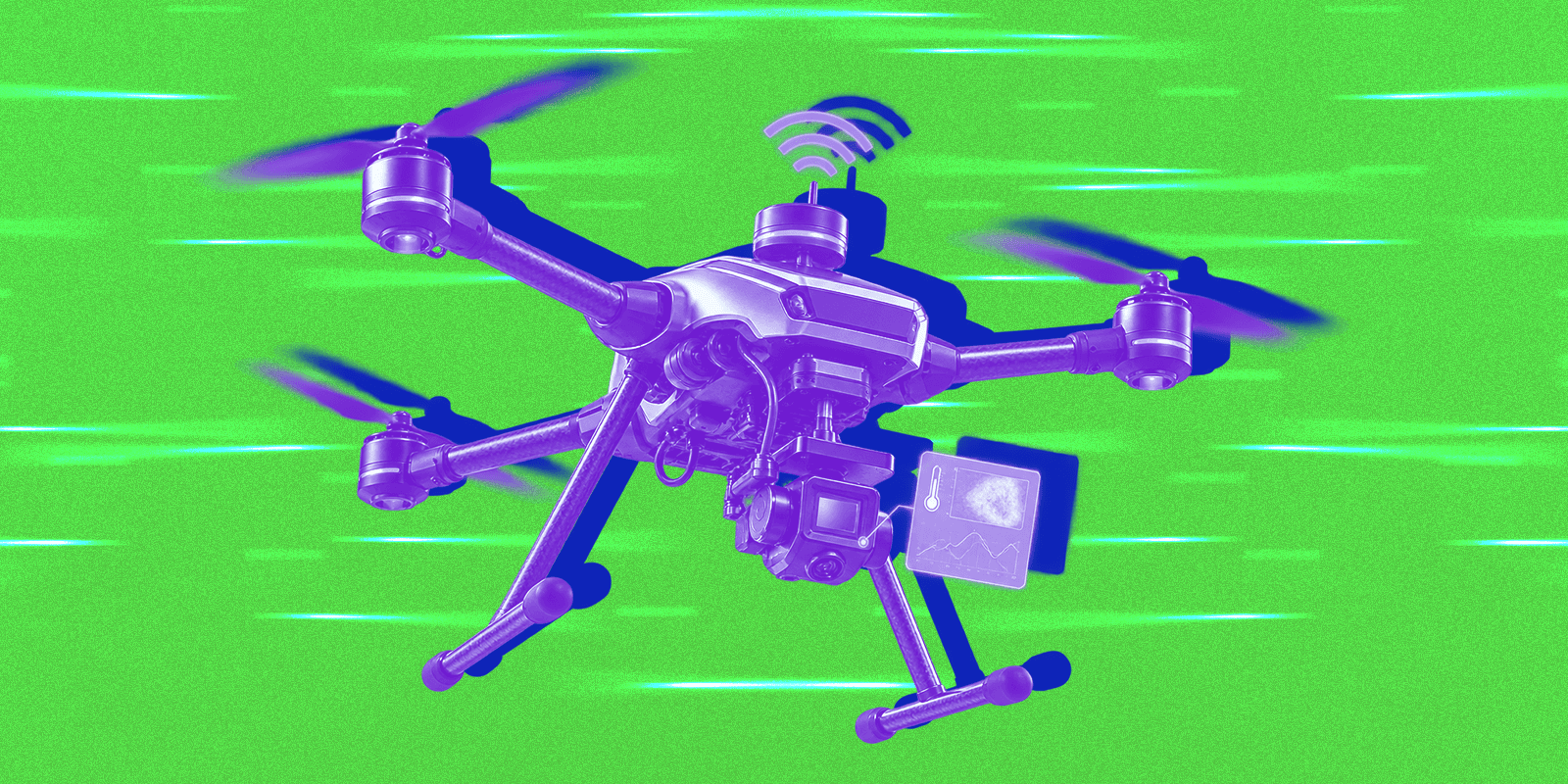
Drones equipped with advanced sensors play a critical role in modern IoT ecosystems. During a drone roof inspection, aerial platforms collect high-resolution visual and thermal data that provides detailed insight into roof conditions. These drones act as intelligent endpoints within the IoT network, capturing information that fixed sensors alone may not detect.
Common sensors used in drone-based roof inspection include:
RGB Cameras
High-resolution optical cameras capture detailed images of roof surfaces, enabling identification of cracks, membrane damage, debris accumulation, and structural wear.
Thermal Sensors
Thermal imaging detects temperature variations across the roof surface. These variations can indicate moisture intrusion, insulation failure, or energy inefficiencies that are not visible to the naked eye.
LiDAR Sensors
Light Detection and Ranging (LiDAR) sensors generate precise 3D models of roof structures. These models help assess structural deformation, slope accuracy, and surface irregularities.
Multispectral Sensors
These sensors analyze reflected light across multiple wavelengths, enabling detection of material degradation and moisture content.
Once collected, this data becomes part of the building’s broader IoT ecosystem, where it can be analyzed, stored, and integrated with other asset monitoring systems.
IoT Connectivity and Real-Time Data Transmission
A key advantage of IoT-enabled drone roof inspection is the ability to transmit collected data directly to cloud platforms and asset management systems. Connectivity technologies such as Wi-Fi, LTE, and 5G enable drones to communicate with IoT gateways and centralized platforms in real time.
This connected workflow typically involves several steps:
- The drone captures visual, thermal, or structural data during flight.
- Data is transmitted wirelessly to a ground station or IoT gateway.
- The gateway forwards the data to cloud-based IoT platforms.
- Cloud systems store, process, and analyze the data.
- Facility managers access insights through dashboards and asset management software.
This real-time data transmission eliminates delays associated with manual data processing. Instead of waiting days or weeks for inspection reports, decision-makers can access inspection insights almost immediately.
In large facilities, industrial sites, or distributed building portfolios, this connectivity enables centralized monitoring across multiple locations, improving operational efficiency and response time.
Enabling Predictive Maintenance Through IoT Data
One of the most significant benefits of integrating drone inspection with IoT systems is the ability to support predictive maintenance strategies. Traditional maintenance approaches are typically reactive or scheduled at fixed intervals, regardless of asset condition. This can result in unnecessary inspections or missed early warning signs.
IoT-enabled monitoring changes this model by using real-time data to predict when maintenance is actually needed. By analyzing patterns in thermal anomalies, structural changes, or surface damage, IoT platforms can identify trends that indicate potential future failures.
For example, thermal data collected during a drone roof inspection may reveal small areas of heat loss caused by insulation degradation. While not immediately visible as damage, this early indicator allows maintenance teams to address the issue before it leads to energy inefficiency or water intrusion.
Predictive maintenance provides several advantages:
- Reduced maintenance costs by addressing problems early
- Prevention of unexpected failures
- Improved asset reliability
- Optimized maintenance scheduling
- Enhanced building performance
This shift from reactive to predictive maintenance is a core objective of modern IoT asset management systems.
Improving Safety and Operational Efficiency
Safety is another important factor driving adoption of IoT-enabled aerial inspection. Traditional roof inspections often require personnel to work at heights, increasing the risk of falls and injuries. Drone-based inspection reduces the need for physical access, allowing inspections to be conducted remotely.
From an operational perspective, drones can inspect large roof areas significantly faster than manual methods. What previously required hours or days of physical inspection can now be completed in a fraction of the time.
Combined with IoT connectivity, this efficiency enables more frequent inspections and continuous monitoring, rather than relying solely on periodic manual assessments.
Operational improvements include:
- Faster inspection cycles
- Reduced labor requirements
- Increased inspection frequency
- Improved data accuracy
- Enhanced worker safety
These benefits contribute to more efficient facility management and improved overall building reliability.
Integration with Smart Building and Asset Management Systems
IoT-enabled drone inspection is most effective when integrated with broader smart building platforms. Modern asset management systems use centralized dashboards to monitor building performance, track maintenance history, and manage operational workflows.
Inspection data collected by drones can be integrated into these platforms, providing a comprehensive view of asset condition alongside other building systems. This integration enables facility managers to correlate roof condition data with environmental factors, energy usage, and structural performance.
In advanced implementations, drone inspection data may also support digital twin models—virtual representations of physical buildings. Digital twins use real-time data to simulate asset behavior, predict maintenance needs, and optimize building performance.
This level of integration enhances situational awareness and enables more strategic decision-making across building operations.
The Future of IoT-Enabled Aerial Inspection
As IoT and artificial intelligence technologies continue to evolve, the capabilities of drone roof inspection will expand further. Future systems may include autonomous drone deployments triggered automatically by IoT sensors detecting anomalies. AI-powered analytics will increasingly automate defect detection, reducing the need for manual data review.
Advancements in connectivity, particularly 5G, will enable faster data transmission and improved real-time monitoring. Edge computing may also allow drones to process data locally, providing immediate insights without relying entirely on cloud processing.
These developments will strengthen the role of drones as intelligent IoT devices, contributing to fully automated, data-driven building management systems.
Conclusion
The integration of IoT technologies with drone roof inspection represents a significant advancement in smart building asset monitoring. By combining aerial data collection with connected sensors and cloud-based analytics, organizations can gain real-time visibility into roof conditions and detect issues earlier than ever before.
This connected approach enables predictive maintenance, improves operational efficiency, enhances safety, and extends asset lifespan. Rather than relying on periodic manual inspections, building operators can use continuous data to make informed maintenance decisions and optimize asset performance.
As IoT adoption continues to grow across industries, drone-enabled inspection will play an increasingly important role in intelligent infrastructure management. By transforming how building assets are monitored and maintained, IoT is helping organizations move toward safer, more efficient, and more resilient built environments.

The Most Comprehensive IoT Newsletter for Enterprises
Showcasing the highest-quality content, resources, news, and insights from the world of the Internet of Things. Subscribe to remain informed and up-to-date.

New Podcast Episode

IoT Is Finally Delivering

Related Articles

Related Solutions
Long-Endurance Aerial Monitoring and Response
AI-powered analytics and mission-ready aircraft for public safety, maritime, search and rescue, and emergency response.
AI-powered analytics and mission-ready aircraft for public safety, maritime, search and rescue, and emergency response.
Iveda
Iveda
GNSS Module for Embedded Positioning
Embed reliable GNSS positioning directly into connected products with a module-level solution.
Embed reliable GNSS positioning directly into connected products with a module-level solution.
Kalmix
Kalmix

Smart Drones for Site Inspection and Monitoring
AI-driven drones provide autonomous surveillance for pipeline inspections, power line monitoring, and environmental compliance.
AI-driven drones provide autonomous surveillance for pipeline inspections, power line monitoring, and environmental compliance.
Iveda
Iveda

Related Solutions
Maritime & Boating
Long-Endurance Aerial Monitoring and Response
AI-powered analytics and mission-ready aircraft for public safety, maritime, search and rescue, and emergency response.
Iveda
Industrial
GNSS Module for Embedded Positioning
Embed reliable GNSS positioning directly into connected products with a module-level solution.
Kalmix
Utilities
Smart Drones for Site Inspection and Monitoring
AI-driven drones provide autonomous surveillance for pipeline inspections, power line monitoring, and environmental compliance.
Iveda