



What Startups Should Know Before Building IoT Health Apps
What Startups Should Know Before Building IoT Health Apps

- Last Updated: December 23, 2025
Diversido
- Last Updated: December 23, 2025
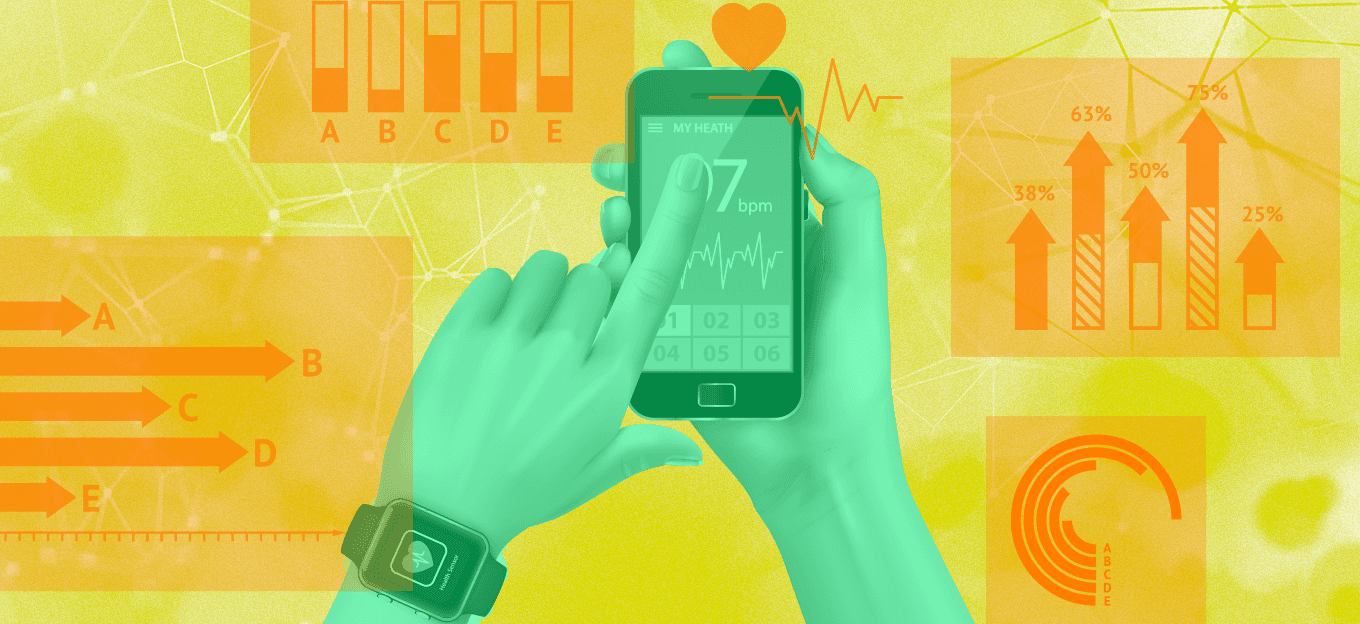
Healthcare is one of the fastest-growing areas for the Internet of Things (IoT). From wearable devices that track vital signs to remote patient monitoring systems and smart medical training platforms, IoT is transforming how care is delivered.
Many of the most exciting ideas in this space are coming from startups. But building an IoT health app isn’t the same as creating a consumer fitness tracker or a standard mobile app. Regulations, medical device integrations, and the responsibility to protect patient data all raise the stakes.
If you’re an early-stage founder or on a product team, knowing about these challenges early can help you save time, avoid extra costs, and steer clear of expensive mistakes.
1. Compliance Isn’t Optional
In healthcare, compliance is not something to address only at the end of development. It should guide the product from the start. Standards like HIPAA, GDPR, and NHS rules determine how patient data is collected, shared, and stored.
It’s smart to set aside budget for legal and regulatory support early and ensure your system design meets these requirements from the start.
2. Device Integration Is Complex
Healthcare IoT often involves working with hardware such as wearables, sensors, and medical devices. Each might use different communication methods, such as Bluetooth, WiFi, or custom APIs, and each brings its own challenges.
Consider a physiotherapy platform that connects a patient’s wearable sensor to a mobile app. The app needs to receive real-time data, sync it with the provider’s portal, and continue functioning without interruption if the patient switches devices. That requires careful testing and planning.
It’s easy to assume devices will connect without issues, but making apps, sensors, and medical platforms work together securely is often tougher than it seems. So check compatibility early, choose devices with good developer support, and give yourself plenty of time for testing.
3. User Experience Matters as Much as Functionality
An IoT health app needs to work for a wide range of users, including patients, doctors, nurses, and caregivers. Each group has different needs and may be more or less comfortable with technology.
Imagine a remote monitoring app that alerts doctors about abnormal readings. If the interface is too cluttered, a clinician may overlook a critical notification. Similarly, if a patient-facing app feels complicated, the person recovering at home may stop using it.
That’s why it’s essential to design for clarity, accessibility, and easy training. In healthcare, a simple interface and clear steps help people trust and use your app.
4. Data Security Builds Trust
Patients trust healthcare IoT apps with their most sensitive information. Even a single security breach can hurt your app’s reputation and undermine trust in the entire healthcare system.
For instance, a medication reminder app may seem straightforward, but if its notifications expose personal health details on a patient’s lock screen, that could be a privacy violation.
Build security into your product from day one. Use encryption for all data, set up role-based access controls, monitor for suspicious activity, and keep your app up to date. Security isn’t just about following rules—it’s about earning trust.
5. Plan Beyond the MVP
Building a minimum viable product (MVP) is a good way to test your idea, but healthcare apps need a long-term view. Rules change, operating systems update, and you may need to add new devices as your product grows.
Take, for example, a startup that launches an MVP for at-home heart monitoring. Initial success may quickly create demand for new features, such as integration with additional wearables or real-time alerts for multiple caregivers. Without a long-term roadmap, the app can’t keep pace with user needs.
Both investors and users want to know your product will stay secure, compliant, and valuable over time—plan for support, updates, and growth right from the start.
Conclusion
Building a successful IoT health app takes more than a great idea. While startups are driving innovation in the space, the realities of compliance, hardware integration, user trust, and long-term maintenance quickly come into play. Teams that factor in these challenges early, rather than reacting later, are in a much better position to deliver real value to users and stand out in a growing field.

The Most Comprehensive IoT Newsletter for Enterprises
Showcasing the highest-quality content, resources, news, and insights from the world of the Internet of Things. Subscribe to remain informed and up-to-date.

New Podcast Episode

IoT Is Finally Delivering

Related Articles


Related Solutions
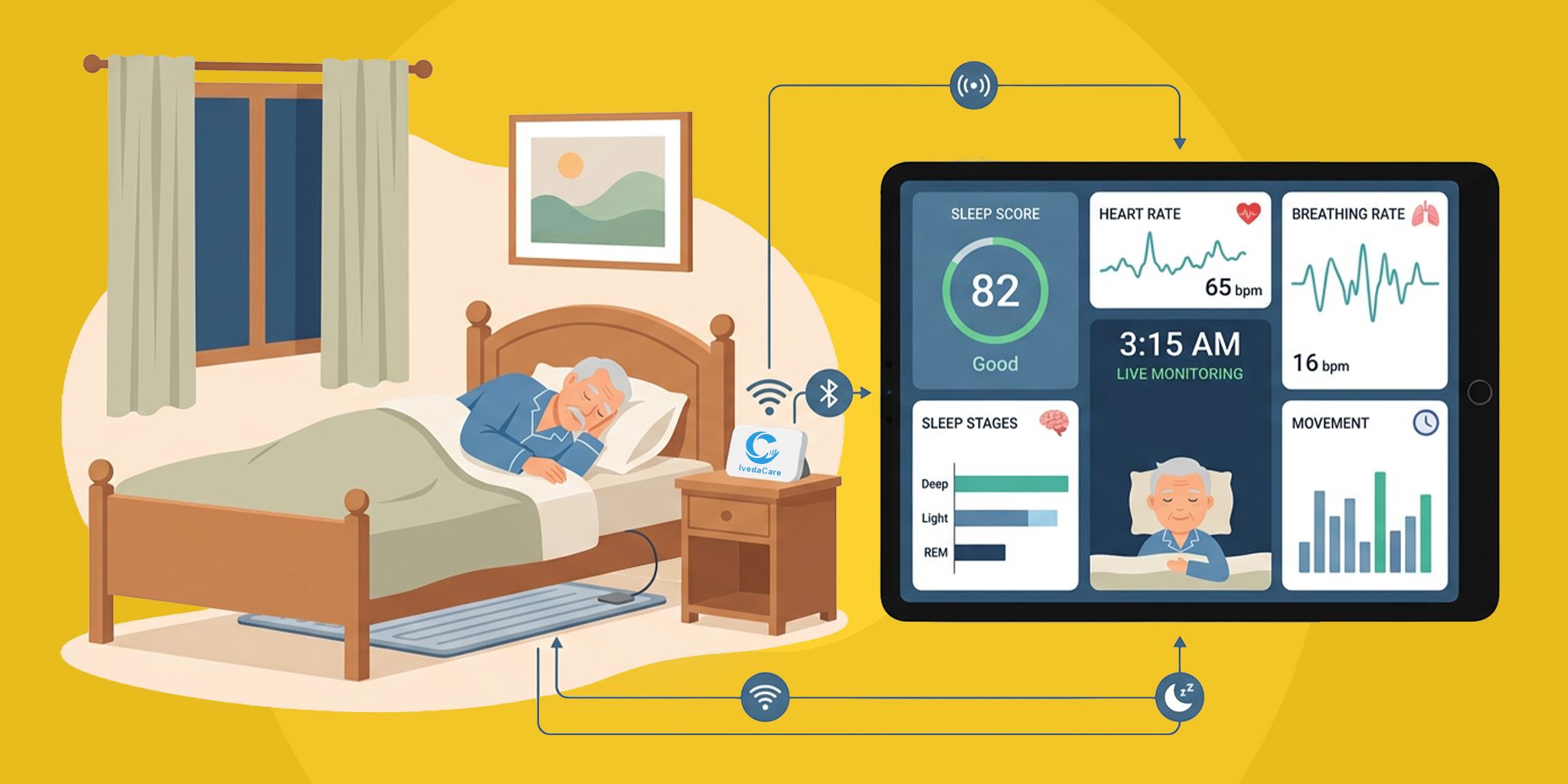
Overnight Health Monitoring
Health insights without cameras or wearables, enabling caregivers to detect issues early and improve resident well-being.
Health insights without cameras or wearables, enabling caregivers to detect issues early and improve resident well-being.
Iveda
Iveda

Vital Signs Monitoring & Connected Care Platform
Consolidates vital signs data from multiple devices to enable real‑time monitoring and scalable connected care across hospitals.
Consolidates vital signs data from multiple devices to enable real‑time monitoring and scalable connected care across hospitals.
imedtac
imedtac

Related Solutions
Healthcare
Overnight Health Monitoring
Health insights without cameras or wearables, enabling caregivers to detect issues early and improve resident well-being.
Iveda
Healthcare
Vital Signs Monitoring & Connected Care Platform
Consolidates vital signs data from multiple devices to enable real‑time monitoring and scalable connected care across hospitals.
imedtac