


The Critical Role of IoT in Emergency Rooms
The Critical Role of IoT in Emergency Rooms

- Last Updated: April 6, 2026
Zac Amos
- Last Updated: April 6, 2026
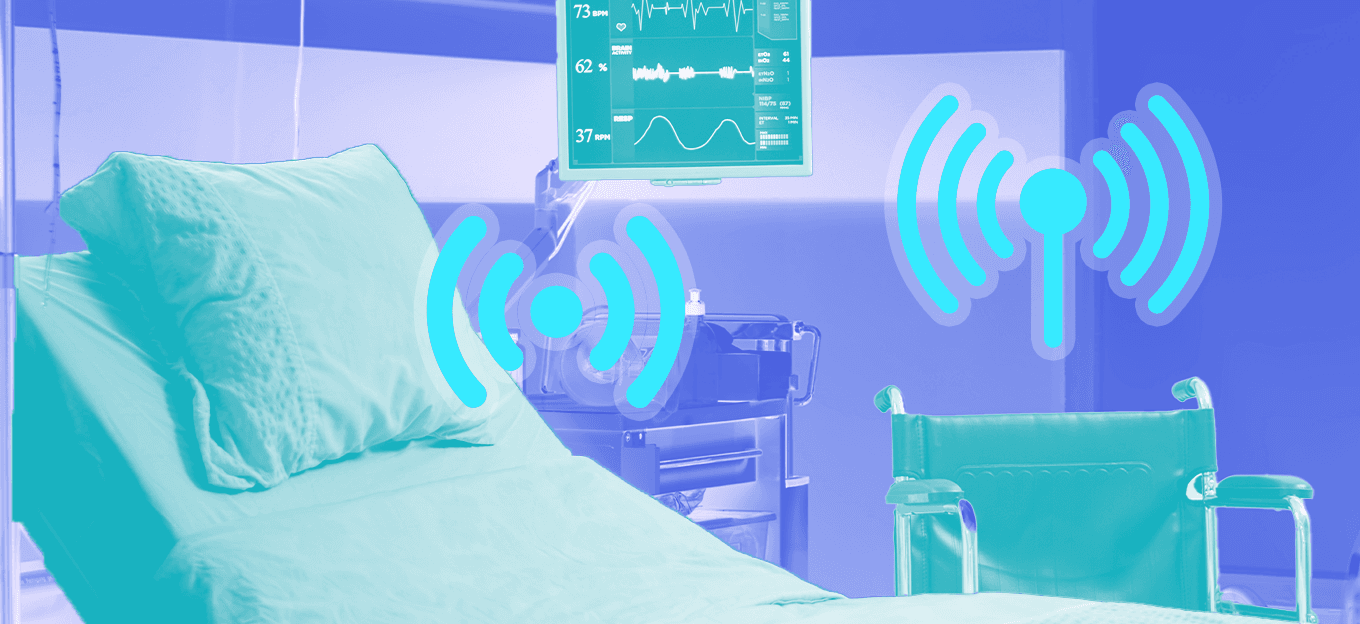
Emergency rooms (ERs) operate in high-stakes environments where rapid decision-making directly impacts patient outcomes. Internet of Things (IoT) technology integrates connected devices into these settings, providing real-time data streams that enhance operational efficiency, patient monitoring, and resource management. These advancements offer transformative potential in health care delivery.
Real-Time Patient Monitoring
IoT wearables and sensors continuously track vital signs like heart rate, blood pressure, and respiratory patterns. These devices send alerts to medical staff if a patient’s condition deteriorates, allowing quick interventions that can save lives. In busy ERs, this reduces manual checks and catches issues early.
For example, connected ECG monitors and pulse oximeters provide instant data to dashboards accessible on tablets or smartphones. Nurses then no longer need to perform frequent checks, freeing them for direct care. This setup could prove especially vital during mass-casualty events or surges, such as flu seasons. When integrated with AI, IoT systems could analyze trends to predict complications like sepsis.
Asset and Equipment Tracking
ERs may waste time searching for defibrillators, ventilators, or infusion pumps amid chaos. IoT tags with RFID or Bluetooth enable real-time location systems to pinpoint equipment instantly. This visibility cuts delays during crises and optimizes inventory.
Maintenance is proactive, too. IoT sensors can detect wear on pumps or batteries, alerting staff of necessary maintenance before failures occur.
Bed and Capacity Management
ER overcrowding leads to hallway waits and delayed care, straining resources. IoT sensors on beds monitor occupancy and turnover readiness, providing live dashboards for administrators. These systems can forecast demand using historical data and current inflows to enable streamlined intake.
Demand forecasting ranges from simple models to advanced algorithms that incorporate patient volume, number of available beds, average length of stay, equipment use, disease trends, and staff availability. Effective solutions leverage this data to plan resources across shifts and initiatives over months or years. Managing facility capacity with IoT balances resources and shortens wait times.
Ambulance and Pre-Hospital Integration
IoT seamlessly bridges the gap between ambulances and the ER. Portable devices in paramedic vehicles transmit vital signs, ECGs, and GPS data to receiving hospitals, allowing teams to prepare rooms and specialists before arrival, saving critical minutes.
Real-time route optimization avoids traffic, shaving minutes off transport times to enable teams to reach patients as quickly as possible and improve survival rates. Post-arrival, IoT handoff ensures no data loss, with wearables continuing to monitor inside the ER.
Workflow and Staff Coordination
IoT streamlines ER workflow through smart alerts and automation. Sensors detect when rooms are ready for cleaning or when patients are discharge-eligible and notify staff via apps.
Employee badges with IoT capabilities track locations anonymously to optimize task assignments and reduce response delays. Environmental monitors maintain ideal conditions, such as temperature, humidity, and air quality, for infection control.
Predictive tools analyze patterns to anticipate staffing peaks, minimizing burnout and errors. Overall, these features create a more fluid operation.
Smart Treatments
Mobile apps and Bluetooth-enabled devices form the backbone of IoT-driven smart treatments in health care, including ERs. Digital medication dispensers, for example, could connect via Bluetooth to smartphones, transforming routine delivery into data-rich interventions. As IoT advances, these connected treatments will extend to other therapies, such as insulin pens and pill dispensers, to enhance ER triage for chronic conditions and potentially reduce readmissions.
AI Synergies With IoT
AI elevates IoT from data collection to a decision-making powerhouse. Machine learning sifts through vast sensor streams for rapid triage, prioritizing cases by severity without bias.
In diagnostics, AI flags anomalies in IoT-fed imaging or labs, accelerating reviews. Automated reporting also reduces paperwork, allowing health care teams to focus on care.
Cybersecurity Imperatives
IoT proliferation introduces vulnerabilities. Devices often lack robust security, making health care a prime target for ransomware. Hackers could alter drug dosages or lock systems, endangering lives.
Mitigation demands encryption, zero-trust networks, regular firmware updates, and AI-driven threat detection. Compliance with standards like HIPAA is nonnegotiable and often requires dedicated IoT security platforms.
Future Outlook
Advancements like 5G and edge computing will supercharge IoT, enabling sub-second latencies for robotic surgery assists or drone-delivered supplies. This new ambient intelligence — seamless, invisible sensing — promises fully proactive ERs.
Challenges remain, including interoperability across vendors, data privacy, and high up-front costs. Yet, early adopters see efficiency gains and higher patient survival. As regulations evolve, IoT will become standard, intertwining with AI and cybersecurity for resilient ERs.
Transforming Chaos into Precision
IoT is a cornerstone of modernizing emergency rooms, turning high-pressure chaos into precise, lifesaving operations. By weaving together real-time monitoring, smart resource allocation, AI-driven insights, and robust cybersecurity, ERs achieve unprecedented efficiency and patient outcomes.
This technology both saves time and fundamentally elevates the quality of care, making hospitals more responsive to crises. As adoption grows, IoT promises a future where no time is wasted, and every life has a better chance.

The Most Comprehensive IoT Newsletter for Enterprises
Showcasing the highest-quality content, resources, news, and insights from the world of the Internet of Things. Subscribe to remain informed and up-to-date.

New Podcast Episode

Building Real-Time Voice AI Experiences

Related Articles



Related Solutions

Infant Security for Hospitals
Enable immediate alerts, automated security responses, and mother-baby matching to reduce abduction risk.
Enable immediate alerts, automated security responses, and mother-baby matching to reduce abduction risk.
Vizzia Technologies
Vizzia Technologies
Overnight Health Monitoring
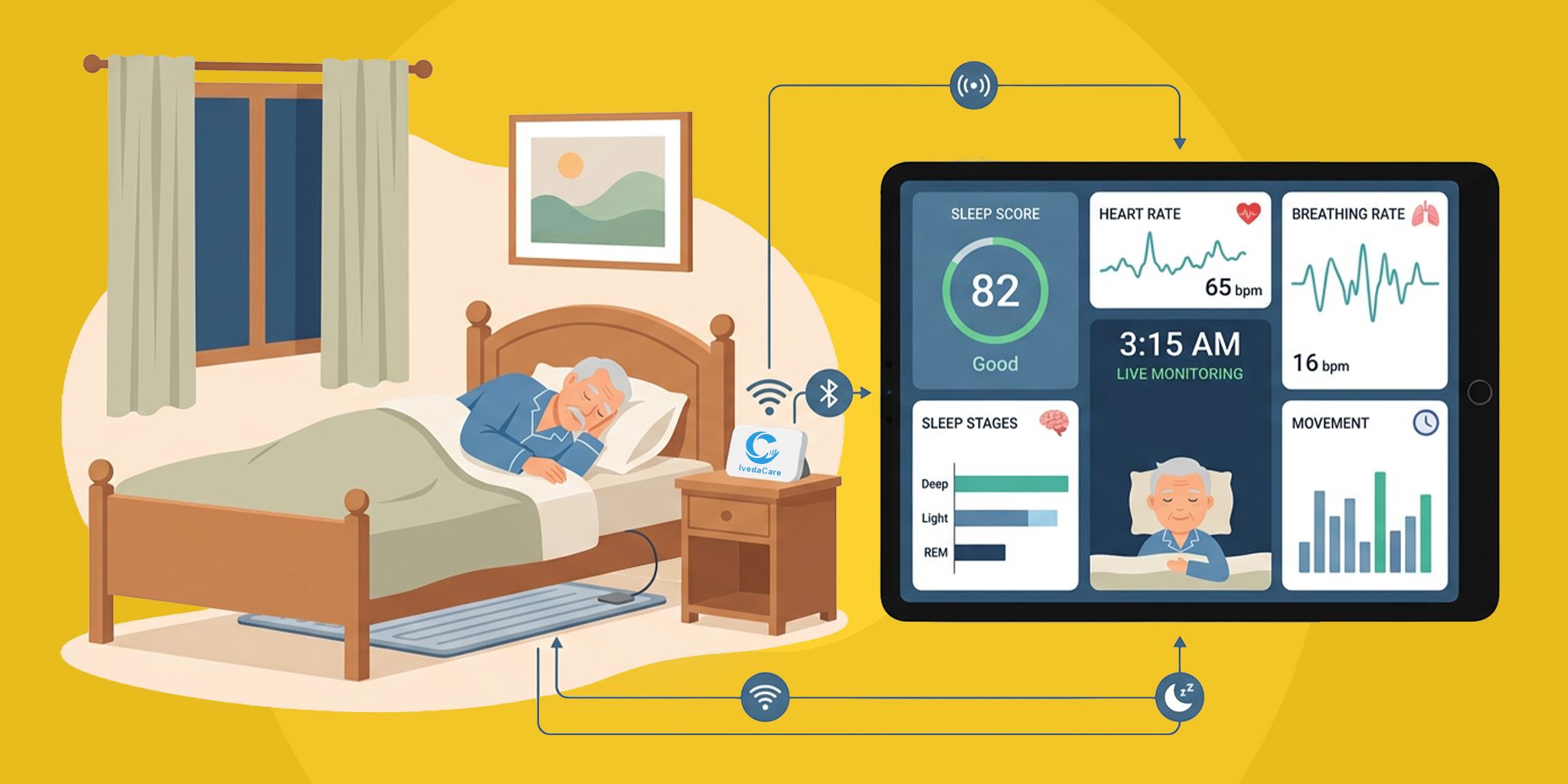
Health insights without cameras or wearables, enabling caregivers to detect issues early and improve resident well-being.
Health insights without cameras or wearables, enabling caregivers to detect issues early and improve resident well-being.
Iveda
Iveda
Hand Hygiene Compliance Monitoring
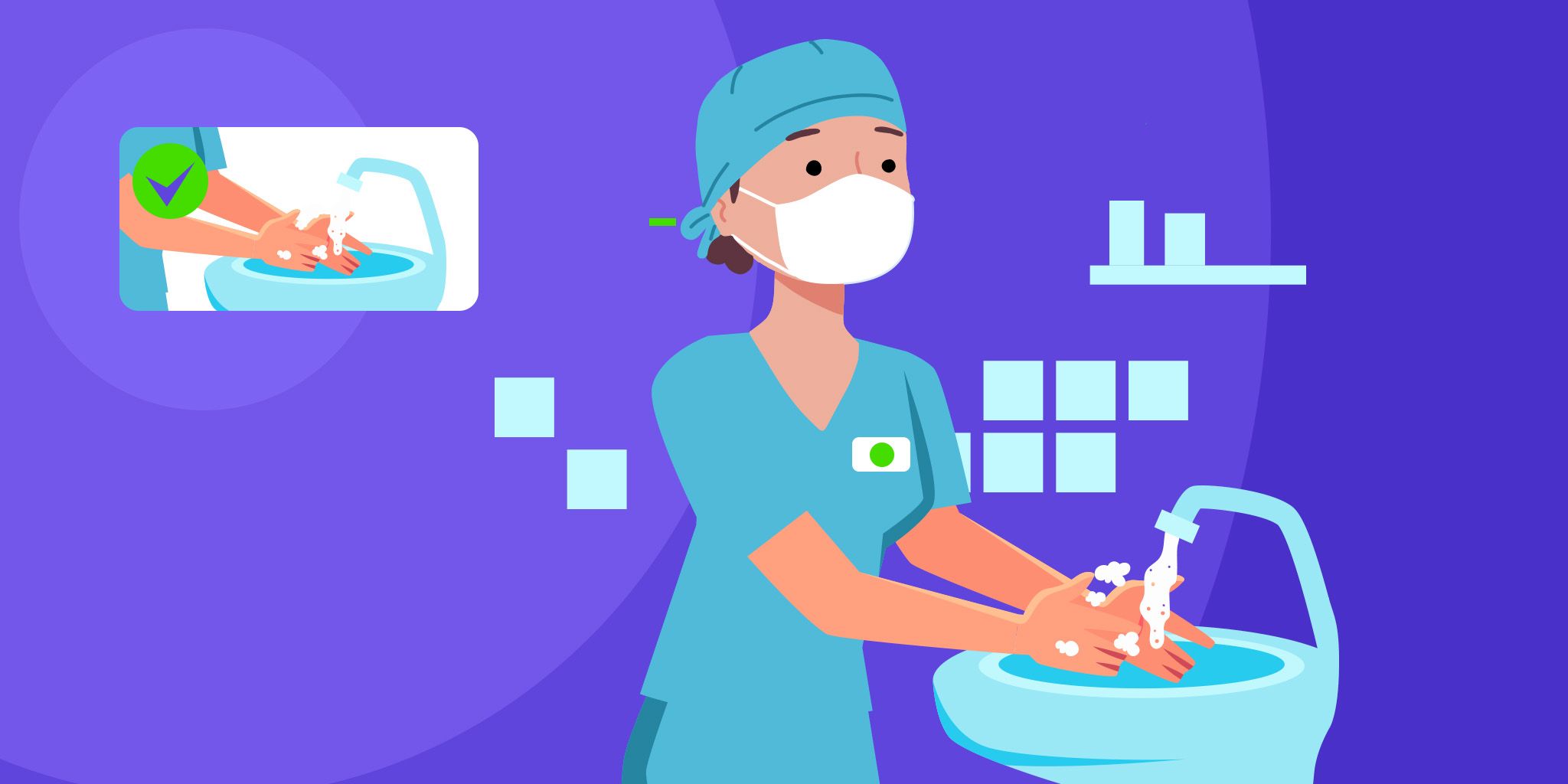
Detect hand hygiene events and ensure compliance to reduce infections and promote a culture of patient safety.
Detect hand hygiene events and ensure compliance to reduce infections and promote a culture of patient safety.
CenTrak
CenTrak

Related Solutions
Healthcare
Infant Security for Hospitals
Enable immediate alerts, automated security responses, and mother-baby matching to reduce abduction risk.
Vizzia Technologies
Healthcare
Overnight Health Monitoring
Health insights without cameras or wearables, enabling caregivers to detect issues early and improve resident well-being.
Iveda
Healthcare
Hand Hygiene Compliance Monitoring
Detect hand hygiene events and ensure compliance to reduce infections and promote a culture of patient safety.
CenTrak