



When Your Product Becomes a Platform: The Connectivity Watershed for Connected Hardware
When Your Product Becomes a Platform: The Connectivity Watershed for Connected Hardware

- Last Updated: August 4, 2026
Yoel Frischoff
- Last Updated: August 4, 2026

Most teams add connectivity to a product the way they add a feature: a line appears on the roadmap, an app gets built, a “smart” badge goes on the box. The device ships, talks to the cloud, and the checkbox is ticked. Then very little changes in how the company thinks, builds, or makes money.
That is the waste. Connectivity is the moment your product stops being a stand-alone object and becomes a platform: something that keeps learning after it ships, observes how it is actually used, changes its behavior over the air, and can become something different years after it leaves the factory.
The companies that get outsized returns from IoT are the ones that treat the connection as the substrate everything else stands on, rather than one more thing the device happens to do.
Here is how to tell the difference, and how to build for the second kind.
A Static Product Ships Finished
For most of industrial history, the moment a product left the factory was the moment it stopped improving. Whatever it could be and do on shipping day, it would remain for its entire life, minus wear. The vendor’s relationship with the customer - the happy part of it, anyway - effectively ended at the loading dock.
A connected product breaks that rule. A Nest thermostat learns your schedule. Teslas get faster through software updates. The ring you bought last year measures something it could not measure when you first unboxed it. The atoms are fixed - you cannot add a sensor over the air - but the behavior, intelligence, and value can keep moving long after the hardware is frozen.
That is the watershed. It has a strategic consequence most teams miss: if the product keeps evolving after launch, then launch is no longer the finish line. It is the start of the part that compounds. You ship a capable, unfinished thing on purpose, and keep finishing it in the field with data the product itself sends back.
The Data Payload
The reason this works is the second thing connectivity gives you, and the one teams chronically underuse: a stream of data about how the product is actually used. I call it the data payload. Most companies treat it as a dashboard - a place to watch uptime and error rates - when it is really the engine of the platform.
Used well, the payload tells you which features get touched and which never do, where users get stuck, which units are about to fail, and what people are quietly willing to pay more for. Do not limit connectivity to operations telemetry. It is a continuous, real-world product-research feed that static-product companies would kill for. It is the difference between guessing what your next release should do and knowing, from the field, what the product is asking to become.
But the payload only delivers if you design for it deliberately. Three questions decide whether you get a platform or just a noisy log:
What Do You Actually Need?
More sensors and more data are not the goal. The goal is relevant, decision-grade data. Every signal you collect carries a cost in power, bandwidth, storage, and privacy liability. Start from the decisions the data must inform, then instrument backward to the minimum set of signals that can answer them. A payload designed around questions beats one designed around “capture everything and figure it out later.”
Where Should the Intelligence Live?
Edge or cloud is an engineering trade-off you make per function. Latency-prone, privacy-sensitive, or bandwidth-heavy work usually belongs on the device. Work that needs fleet-wide context, heavy compute, or frequent updating usually belongs in the cloud. Most real products split the difference, and getting that partition right - before it is frozen in silicon - is one of the most consequential decisions you will make.
What Can You Defer to Software?
This is the platform mindset in one question. Every capability you can ship as firmware-over-the-air instead of freezing into the mechanism is a decision you get to make later, backed by data, rather than now, based on faith. The discipline is to push as much of the product’s behavior as physics allows out of the atoms and into the bits, so the thing you shipped can become the thing your customers turn out to need.
What This Looks Like
Tesla turned the car into a platform by treating the vehicle as a rolling computer that improves over the air: the same hardware can be measurably better a year after purchase. Oura ships a ring, then keeps adding measurements and insights to a device the owner does not have to replace. Sonos turned speakers into an evolving system, where much of the value sits in software orchestration rather than in the drivers alone. Even John Deere - for all the legitimate controversy around its use of lock-in - built genuine platform value by turning equipment into connected, data-rich fleet infrastructure rather than static machinery.
In every case, the hardware was the entry point. Connectivity was what let the product keep getting better, keep teaching the company something, and keep deepening the relationship after the sale. That did not come from adding “smart” as a feature. It came from designing the product, from the first sketch, as a platform that would keep learning and increasing its value to the customer.
The Trap: Connectivity as a Checkbox
A team adds a radio and an app because competitors have one. It ships the product, then discovers that the connection costs more than it returns: support load, security surface, cloud bills, privacy obligations. The loop was never built. The data payload never becomes better products, better decisions, or deeper customer value.
Connectivity treated as a feature is a liability. Connectivity treated as a platform substrate is a compounding asset.
What to Do Next Monday
You don't need a reorg to start thinking like a platform. Take your current or next connected product and ask three things.
- First: what is this product learning once it's in the field, and are we actually using that to make it better – or is the data sitting in a dashboard nobody acts on?
- Second: which of our roadmap features could ship as software over the air instead of being frozen into the hardware, so we can decide them later with real usage data?
- Third: of everything we're sensing, what decision does each signal inform – and what are we collecting that we can't justify, given the power, bandwidth, and privacy it costs us?
If you can answer those, you're already treating connectivity as what it actually is. Not a feature on the box – the moment your product stops being a product and starts being a platform that keeps learning. The hardware is just where the relationship begins.
Yoel Frischoff is a product strategist and founder of TheRoad; author of Tangibles: How Software Turns Hardware into Platforms (July 2026).

The Most Comprehensive IoT Newsletter for Enterprises
Showcasing the highest-quality content, resources, news, and insights from the world of the Internet of Things. Subscribe to remain informed and up-to-date.

New Podcast Episode

IoT Is Finally Delivering

Related Articles


Related Solutions
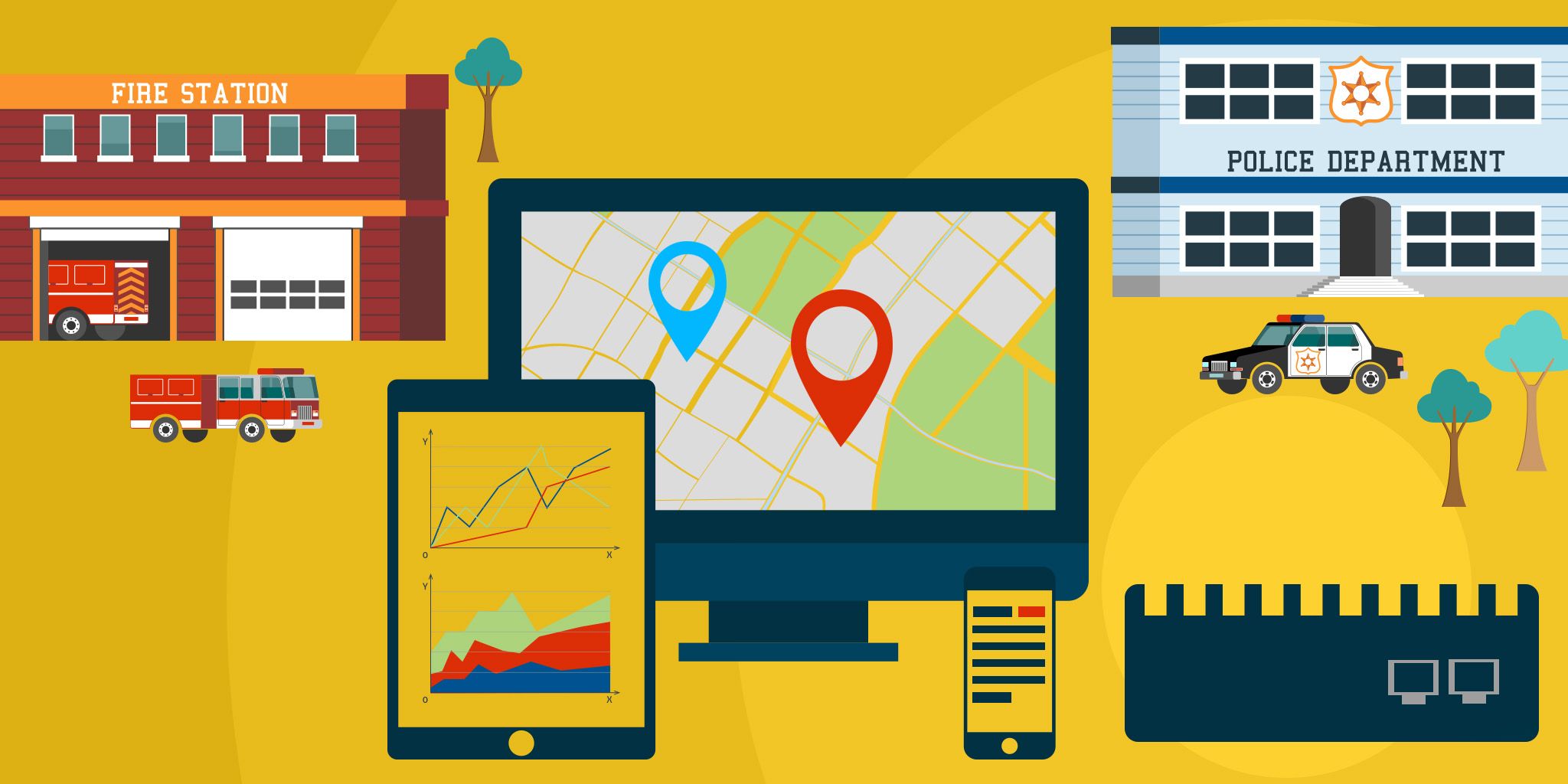
Mobile Networking for Public Safety
Enable data sharing, enhanced situational awareness, and secure communication across vehicles, devices, and command centers.
Enable data sharing, enhanced situational awareness, and secure communication across vehicles, devices, and command centers.
Digi
Digi
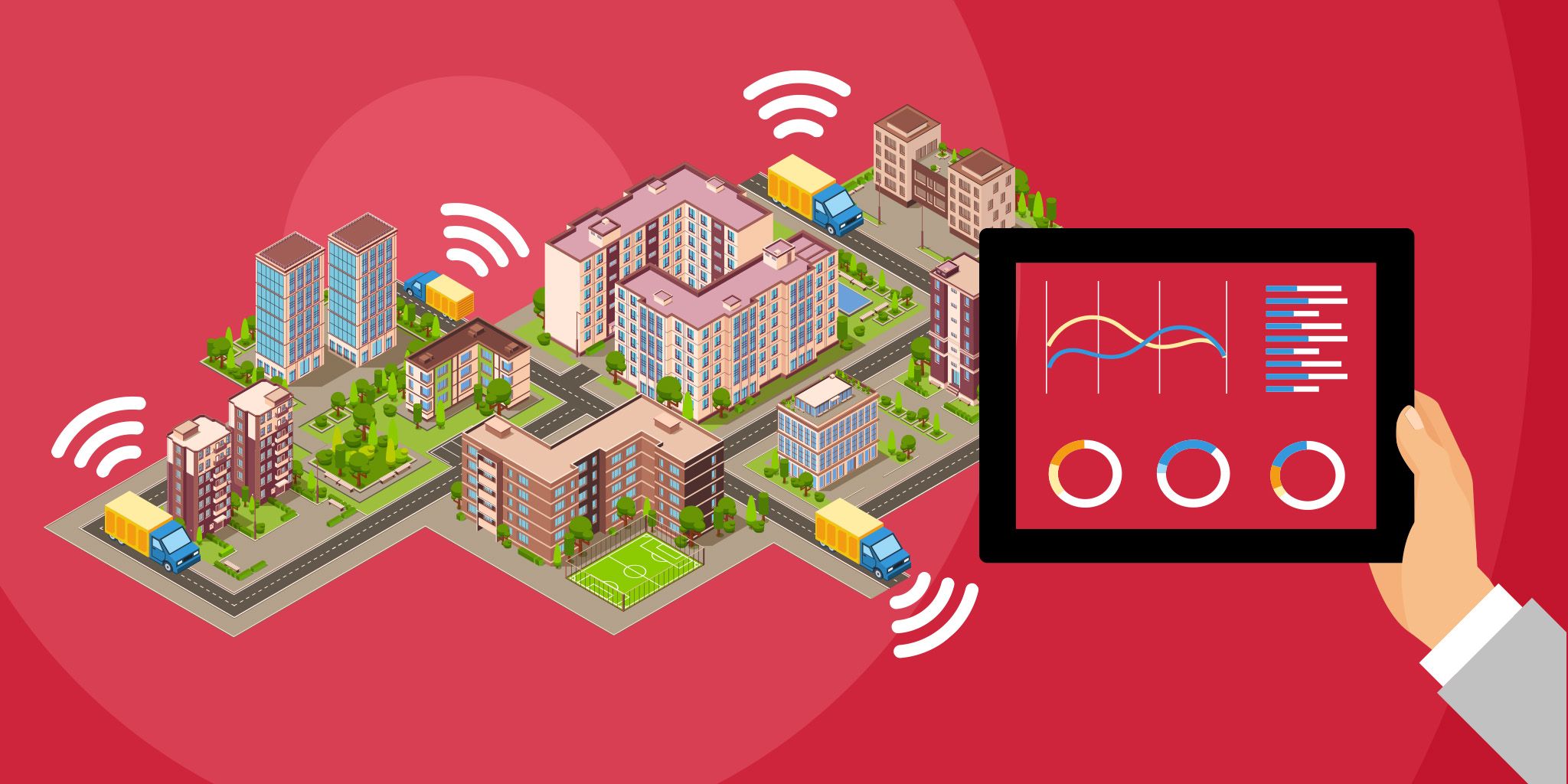
Asset and Inventory Monitoring
Track assets, monitor performance, and maintain persistent connectivity to improve supply chain efficiency, security, and uptime.
Track assets, monitor performance, and maintain persistent connectivity to improve supply chain efficiency, security, and uptime.
Digi
Digi
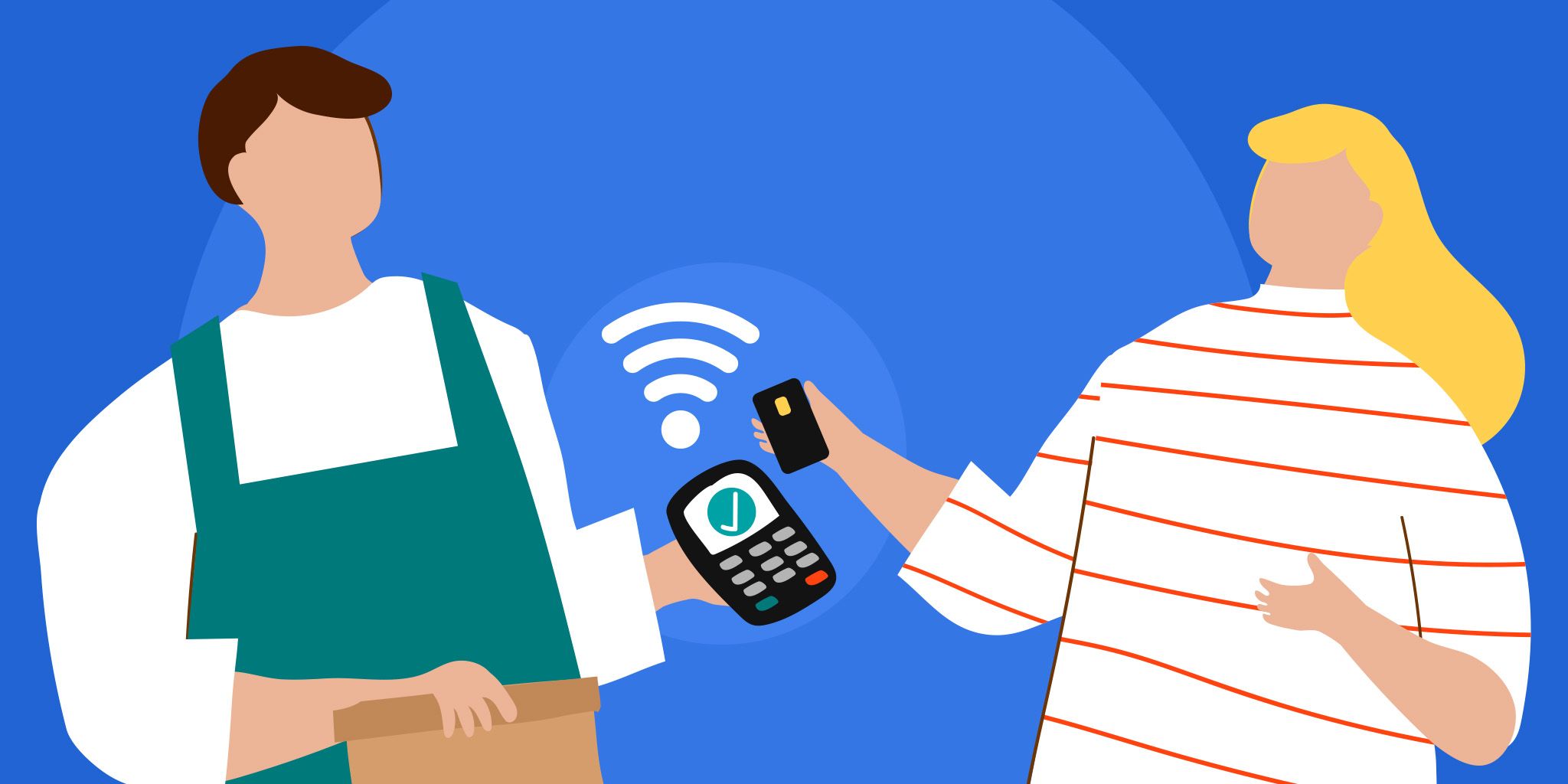
Primary and Failover Connectivity for Retail
4G/5G cellular networks for enabling uninterrupted retail operations with seamless support and rapid deployment across stores.
4G/5G cellular networks for enabling uninterrupted retail operations with seamless support and rapid deployment across stores.
KORE
KORE

Related Solutions
Smart Cities
Mobile Networking for Public Safety
Enable data sharing, enhanced situational awareness, and secure communication across vehicles, devices, and command centers.
Digi
Supply Chain & Logistics
Asset and Inventory Monitoring
Track assets, monitor performance, and maintain persistent connectivity to improve supply chain efficiency, security, and uptime.
Digi
Retail
Primary and Failover Connectivity for Retail
4G/5G cellular networks for enabling uninterrupted retail operations with seamless support and rapid deployment across stores.
KORE