



Why Water Leak Protection Is a Practical Test of Resilient IoT Design
Why Water Leak Protection Is a Practical Test of Resilient IoT Design

- Last Updated: August 4, 2026
Ethan Walker
- Last Updated: August 4, 2026
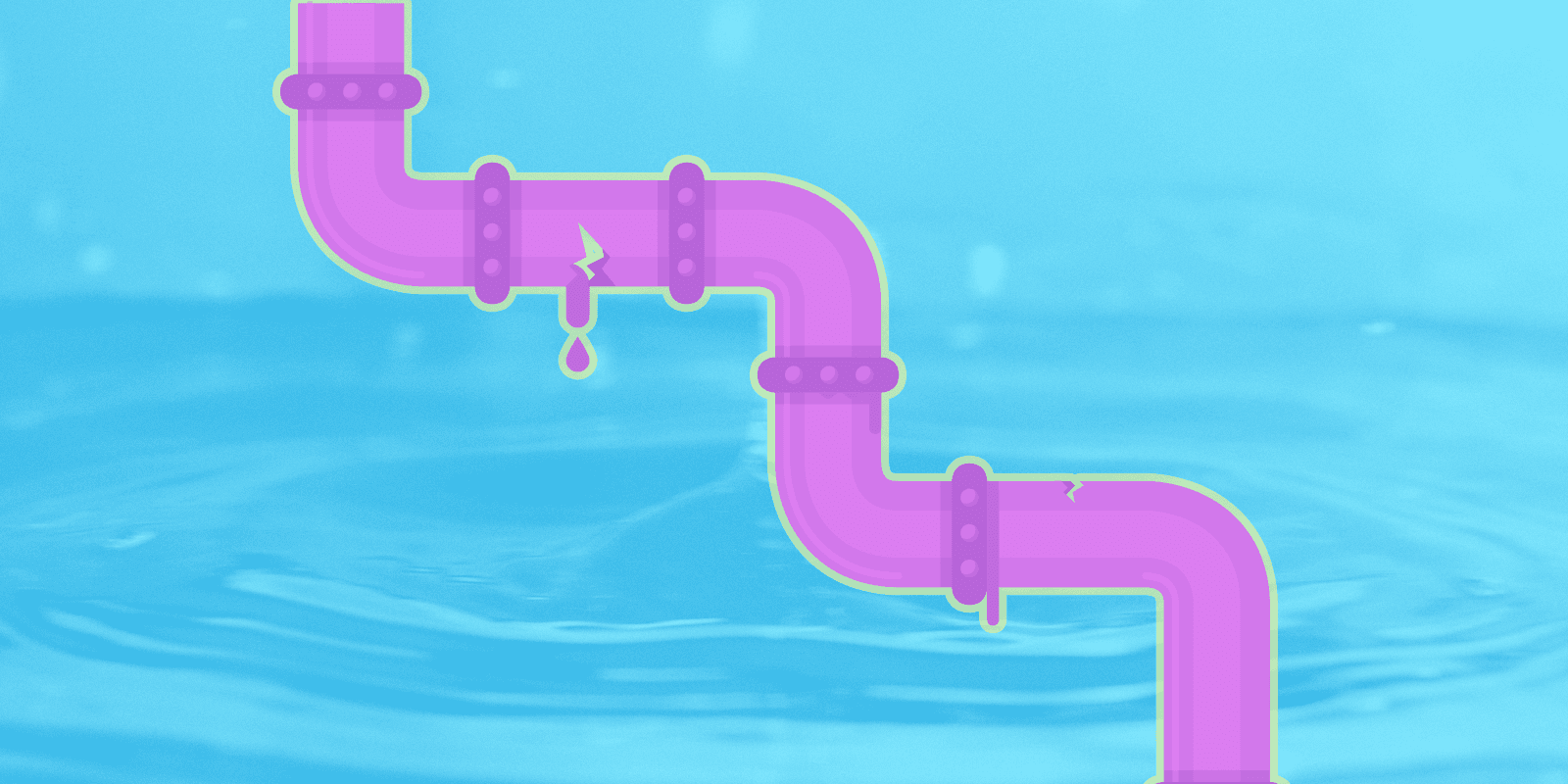
Many IoT systems begin with a simple goal: provide better visibility. A sensor detects a condition, sends data through a network, and delivers information through an application or dashboard. This approach has helped organizations monitor equipment, track assets, manage energy usage, and improve operational awareness. However, visibility alone is not always enough. Some real-world problems require more than knowing what happened. They require a system that can respond.
Water leaks are a clear example. A leak sensor can detect water and send an alert, but the physical problem may continue. Water can keep flowing while someone checks a notification, travels to the property, or identifies the correct shutoff location. This makes water leak protection a valuable IoT use case. It demonstrates how connected systems can move from simple monitoring toward intelligent response by combining sensing, communication, automation, and human decision-making.
Why Water Leaks Reveal IoT Design Challenges
Water leaks seem simple, but they expose many challenges involved in real-world IoT deployments. The first challenge is location. Sensors are often installed in places where connectivity is difficult: under sinks, behind appliances, near water heaters, inside utility rooms, basements, mechanical spaces, or other areas that are not regularly monitored.
These locations may have limited wireless coverage, physical barriers, difficult maintenance access, and restricted power availability. A successful IoT deployment must account for the actual environment in which devices operate, not just ideal conditions.
The second challenge is response time. For many monitoring applications, receiving information a few minutes later may not matter. Water damage is different. A small leak can become a larger problem if no action is taken quickly. This raises an important design question: Should an IoT system only report an event, or should it also help reduce its impact?
Moving From Detection to Response
Traditional IoT systems often follow this pattern: Sensor → Network → Cloud → Notification → Human Action. This model is useful and remains an important part of IoT architecture. Cloud platforms provide remote access, analytics, reporting, and device management.
However, for time-sensitive physical events, relying only on notifications creates limitations. A property manager may manage multiple locations, a building may be temporarily unoccupied, or a responsible person may not immediately see an alert.
Automatic response introduces another layer. A more complete water protection system can detect water at the source, communicate the event, trigger an appropriate action, notify responsible users, and record the event for follow-up. The goal is not to remove humans from the process. Instead, it is to give people more time and better information to respond.
The Four Layers of an IoT Water Protection System
A practical water protection deployment usually includes four layers.
1. Sensing
The first step is identifying where water problems are most likely to occur. Common monitoring locations include water heaters, washing machines, dishwashers, kitchen sinks, bathroom areas, refrigerator water connections, basements, utility rooms, and pump systems. Good sensor placement is often more important than simply adding more sensors. The system should focus on locations where early detection can help prevent larger damage.
2. Connectivity
Communication is the foundation of any IoT system. Different environments require different connectivity approaches. A sensor placed near a router in an open room has very different requirements from a battery-powered device installed behind an appliance or in a basement. When evaluating connectivity, organizations should consider coverage requirements, battery life, installation environment, maintenance needs, and reliability during unusual conditions. The best connectivity option is not always the fastest one. It is the one that provides dependable operation in the actual deployment environment.
3. Automation and Action
The biggest difference between basic monitoring and a more resilient system is the ability to take action. For water protection, this may include connecting leak detection with a compatible shutoff device. Instead of only reporting "Water detected," the system can support "Water detected, response initiated." This transition from awareness to action is one of the most important opportunities in IoT.
4. Visibility and Follow-Up
Automation does not eliminate the need for people. After a leak event, someone still needs to inspect the location, identify the cause, repair the issue, and restore normal operation. That is why event history, device status, notifications, and system visibility remain important. A good IoT system does not just perform an action. It helps people understand what happened and what to do next.
The Role of Local Automation
One important consideration in resilient IoT design is where decisions are made. Cloud platforms provide valuable capabilities, including remote access, data storage, analytics, integrations, and device management. However, some actions are more effective when they happen closer to the event. For water protection, closing a valve is a time-sensitive action.
A resilient design can combine both approaches: local automation for immediate response and cloud connectivity for monitoring and management. This hybrid approach allows organizations to benefit from both speed and visibility. For example, some IoT water protection systems pair leak sensors with compatible valve controllers so that detection triggers a local shutoff. One example of this kind of workflow is an automatic water shutoff setup that combines leak detection, local device-to-device action, and cloud-based visibility for alerts, history, and device management.
The broader lesson is not about a specific product. It is about architecture: Critical actions should have the shortest reliable path possible.
Designing IoT Systems Around Real Conditions
A successful IoT deployment should consider real-world challenges before installation. Organizations should evaluate the installation environment (where devices will be placed, physical barriers, and maintenance difficulty), power strategy (battery replacement frequency and health monitoring), and communication reliability (consistent communication from installed locations and backup plans for connectivity interruptions).
Furthermore, the user workflow must be defined: Who receives alerts, who is responsible for responding, and what happens after an event occurs? Technology alone does not create a successful IoT deployment. The system must fit the operational workflow around it.
Where Smart Water Protection Creates Value
Water protection is useful across many environments. In residential settings, it can help homeowners respond faster to unexpected leaks. In rental properties, it can provide additional visibility when owners or managers are not physically present. In commercial buildings, it can help protect equipment, inventory, and operational spaces. For organizations managing multiple properties, IoT-based monitoring can create a more consistent approach to identifying and responding to risks. The value is not simply detecting water. The value comes from reducing the time between detection and action.
Final Thoughts
Water leak protection is a practical example of how IoT is evolving. Early IoT systems focused primarily on collecting information and sending alerts. Modern IoT systems are increasingly focused on creating intelligent response loops. The strongest solutions combine accurate sensing, reliable connectivity, appropriate automation, and human-centered workflows.
The future of IoT is not only about connecting more devices. It is about creating systems that can recognize important events, respond appropriately, and help people make better decisions when timing matters. Water protection demonstrates a broader principle for IoT design: The most valuable connected systems are not the ones that only tell us what happened. They are the ones that help us do something about it.

The Most Comprehensive IoT Newsletter for Enterprises
Showcasing the highest-quality content, resources, news, and insights from the world of the Internet of Things. Subscribe to remain informed and up-to-date.

New Podcast Episode

IoT Is Finally Delivering

Related Articles


Related Solutions
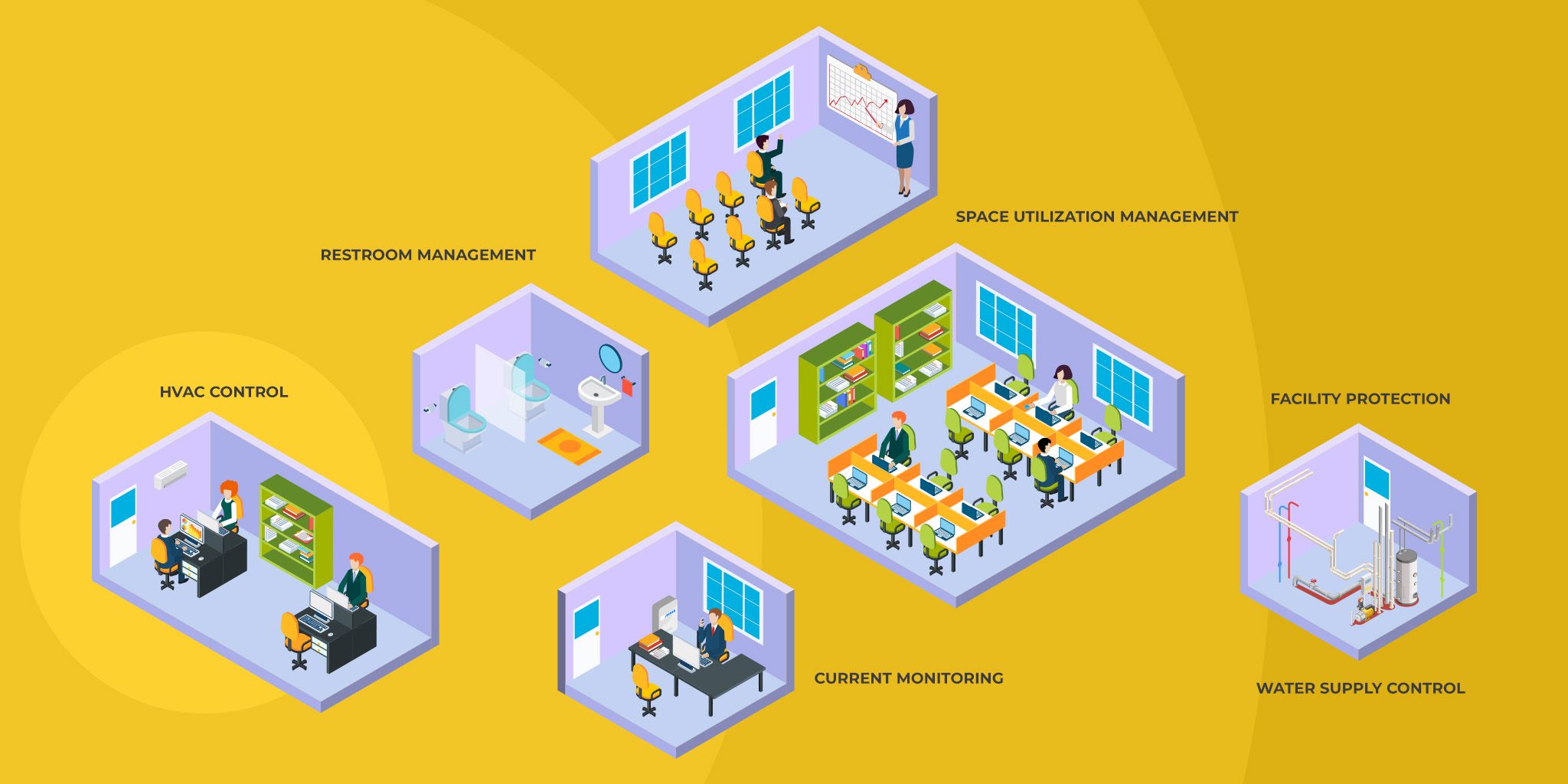
Smart Facility Management
Real‑time data and intelligent automation for efficient and sustainable building operations. Reduce risk, improve occupant comfort, and ensure optimal performance.
Real‑time data and intelligent automation for efficient and sustainable building operations. Reduce risk, improve occupant comfort, and ensure optimal performance.
Milesight
Milesight

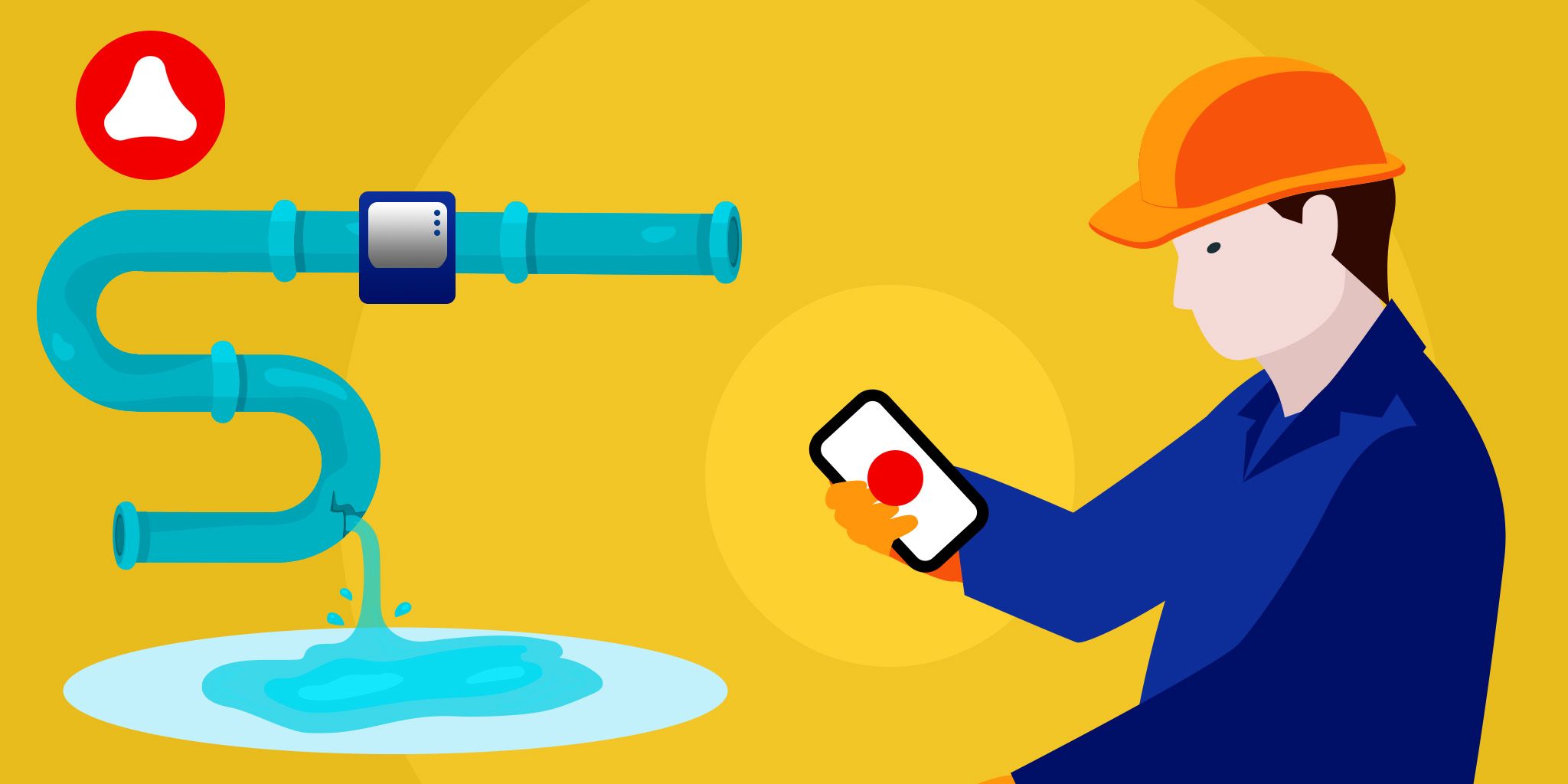
Automated Water Leak Detection & Shutoff
Detect and respond to leaks in real time to prevent costly damage, reduce downtime, and ensure operational continuity.
Detect and respond to leaks in real time to prevent costly damage, reduce downtime, and ensure operational continuity.
EAMS Technologies
EAMS Technologies
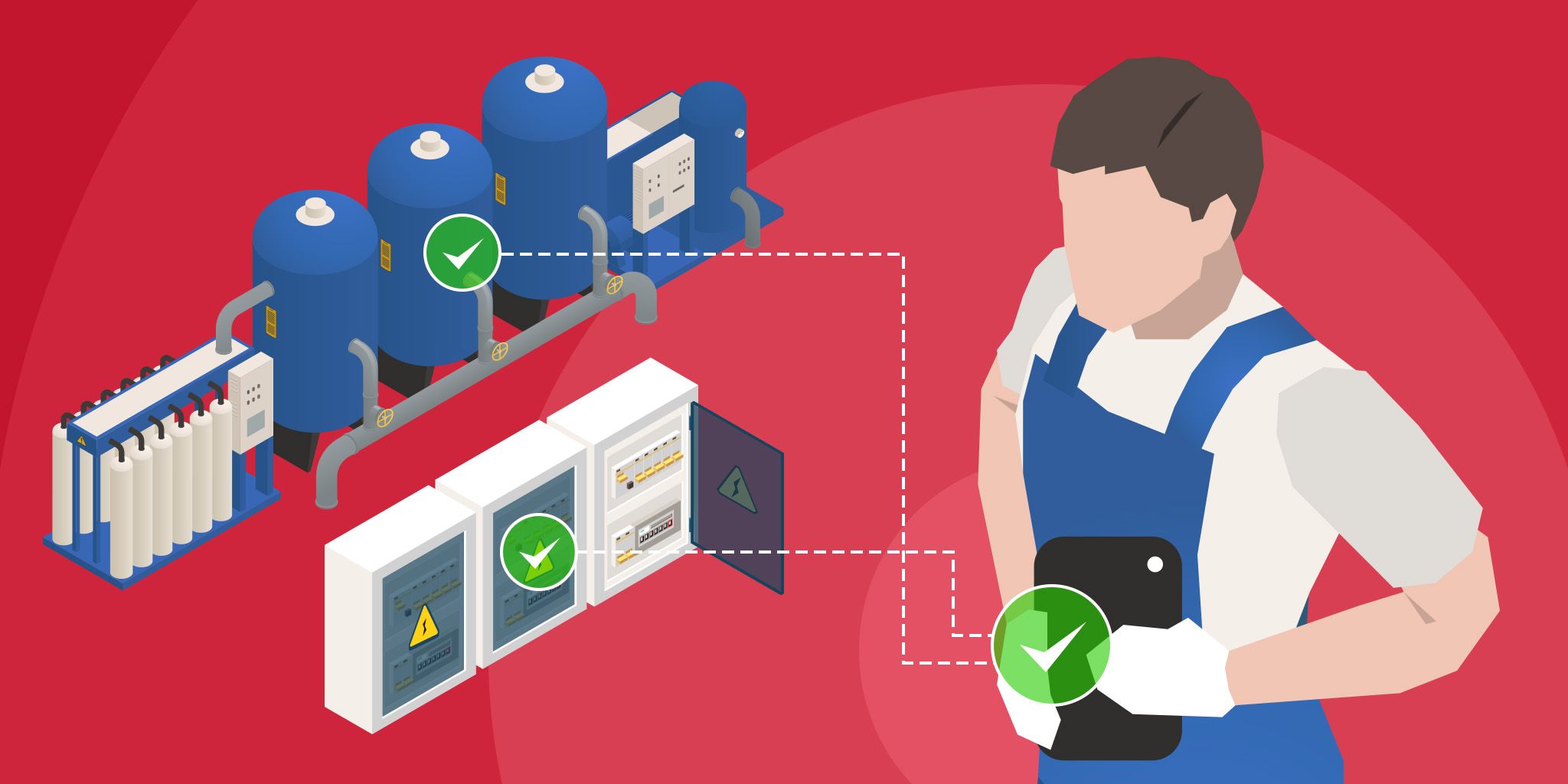
Energy and Water Monitoring and Control
Critical tools and insights needed for all energy and water-related initiatives with real-time monitoring and automated controls.
Critical tools and insights needed for all energy and water-related initiatives with real-time monitoring and automated controls.
Attune
Attune

Related Solutions
Buildings & Facilities
Smart Facility Management
Real‑time data and intelligent automation for efficient and sustainable building operations. Reduce risk, improve occupant comfort, and ensure optimal performance.
Milesight
Buildings & Facilities
Automated Water Leak Detection & Shutoff
Detect and respond to leaks in real time to prevent costly damage, reduce downtime, and ensure operational continuity.
EAMS Technologies
Buildings & Facilities
Energy and Water Monitoring and Control
Critical tools and insights needed for all energy and water-related initiatives with real-time monitoring and automated controls.
Attune