
The Rise of Micro Data Centers: The New Backbone of Edge IoT
The Rise of Micro Data Centers: The New Backbone of Edge IoT

- Last Updated: December 16, 2025
Sachin Reddy
- Last Updated: December 16, 2025
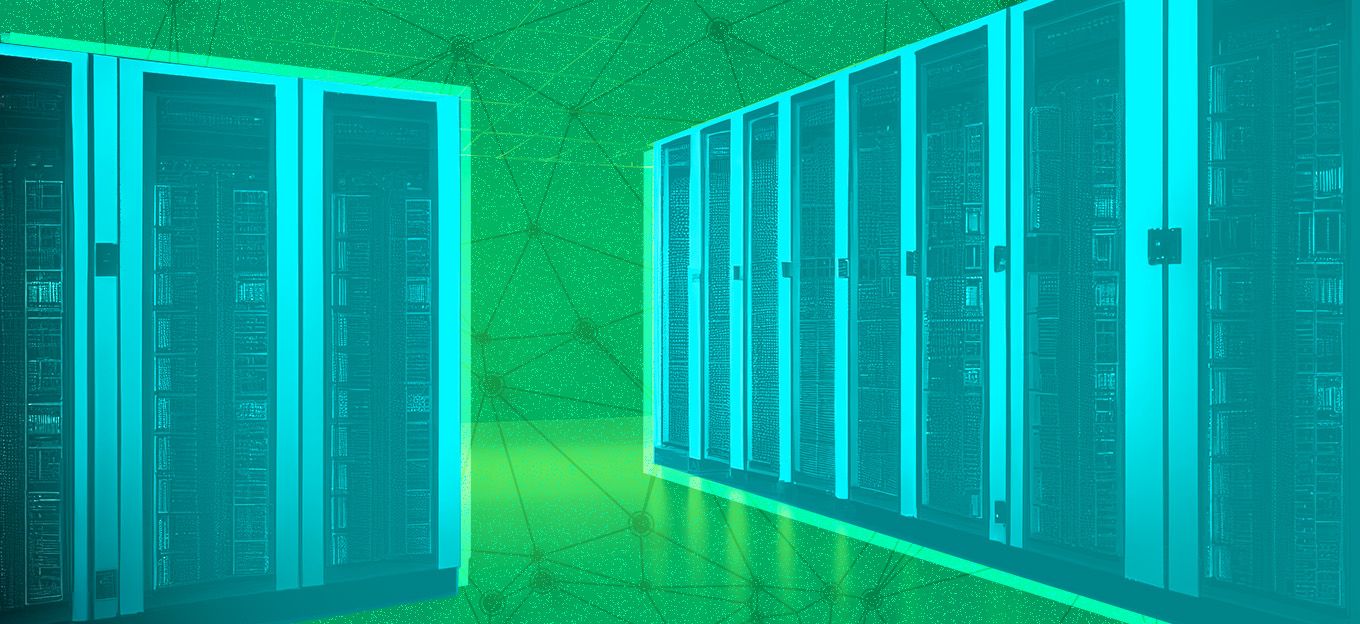
A fast shift is sweeping through modern computing. Signals from sensors, cameras, machines, and tiny connected devices keep rising. A long wait for cloud responses pushes real-time work to the limits. A new structure has started filling that gap with surprising force: Micro Data Centers.
Built in small footprints yet packed with strong processing and storage, these compact units now stand near factories, stores, homes, towers, and transport hubs. They stay close to the point where data first appears. They cut delays, trim bandwidth costs, and keep critical systems running even when the cloud slows down.
Micro Data Centers step in quietly. No grand form. Just rugged boxes or modular racks that run workloads with direct precision. Many industries now see them as the next wave of Edge IoT infrastructure, powering automation and analytics without waiting for distant servers—a surge with serious momentum.
What Are Micro Data Centers?
A Micro Data Center is a small, self-contained computing unit. Everything sits inside a compact enclosure:
- Compute
- Storage
- Networking
- Power backup
- Cooling
- Security controls
The entire unit functions as a tiny data hub that can be used indoors or outdoors. It supports heavy workloads at the edge, away from central cloud regions. A Micro Data Center usually arrives as a plug-and-run system, reducing long installation steps. It handles local processing, filters raw data, and only sends refined output to the cloud when needed.
Such units help with:
- Fast decision-making
- Local data retention
- Reduced round-trip delay
- Controlled operating costs
- Better resilience in case of network drops
Micro Data Centers fit into places where space is tight. Warehouses, oil rigs, wind farms, hospitals, retail chains, or telecom poles. Any spot where sensors shout for instant reactions.
Why Micro Data Centers Matter for Edge IoT
Edge IoT depends on speed. Sensors react to fire alarms, machine vibrations, water leaks, product movement, patient readings, and vehicle controls. A long cable path to the cloud weakens the chance to respond.
Micro Data Centers work as the middle nerve. Closer than cloud servers, stronger than simple gateways. Perfect for processing local traffic.
Key Strengths
#1: Drastic Reduction in Latency
Signals reach the micro unit in milliseconds. Real-time tasks like video analytics, robotic control, and predictive alerts act without delay.
#2: Lower Bandwidth Requirement
Instead of pushing raw streams to the cloud, the unit trims noise and sends only what matters. Costs drop for large deployments.
#3: Increased Reliability
Edge IoT often runs in unstable or remote zones. A Micro Data Center keeps operations moving even when connectivity breaks.
#4: Strong Data Governance
Sensitive fields such as healthcare and energy benefit from local storage. Data stays under strict control without full cloud exposure.
#5: Quick Deployment
Many units arrive pre-built. A team can set them up in hours instead of days.
How Micro Data Centers Work with Edge IoT
A Micro Data Center collects data from sensors or IoT gateways. It processes streams using local applications, containers, or AI models. Early filtering happens right inside the box. Only refined insights may reach the cloud.
A common cycle looks like this:
- Sensors collect raw signals
- Micro Data Center receives streams
- Local processing or AI inference runs
- Actions trigger nearby systems
- Filtered data moves to the cloud for deeper analysis
This simple loop forms a stable backbone for smart environments.
Key Features of Modern Micro Data Centers
Modern units carry advanced functions packed into a small frame.
1. Rugged Build: Many units survive heat, dust, moisture, or vibration. Ideal for harsh zones like oil rigs or roadside towers.
2. Remote Management: Administrators can update, patch, troubleshoot, or monitor from distant locations.
3. Built-In Cooling: Compact cooling modules keep components safe without large infrastructure.
4. Physical Security: Locked cabinets, monitored access, and tamper alerts protect systems.
5. Scalable Design: New modules can join as workloads grow.
6. Edge AI Support: Some units come with GPU or TPU accelerators. Perfect for camera analytics, pattern checks, and automation.
Micro Data Centers Use Cases in Edge IoT
#1: Smart Manufacturing
Factories rely on split-second signals. A Micro Data Center watches machines, spots faults, and triggers safety controls. Quality checks run at the edge with video feeds. Downtime drops when alerts fire early.
#2: Retail and Quick Commerce
Large stores need fast shelf scans, footfall analysis, and checkout monitoring. A Micro Data Center helps run vision analytics without sending videos to the cloud. Operations stay smooth even during network congestion.
#3: Energy and Utilities
Wind turbines, smart meters, and water plants live in remote regions. A Micro Data Center handles sensor bursts locally. Grid optimization becomes simpler when processing stays near the source.
#4: Healthcare and Remote Clinics
Sensitive patient signals benefit from local analysis. Emergency alerts run instantly. Privacy stays intact as raw data stays inside the facility.
#5: Transportation and Smart Roads
Connected vehicles, toll systems, and roadside cameras push heavy data loads. A Micro Data Center filters traffic data, detects hazards, and helps manage flow without delay.
#6: Telecom 5G Sites
5G’s promise depends on ultra-low latency. Micro Data Centers at tower bases process local network functions and IoT traffic before sending optimized packets upstream.
Why Enterprises Are Moving Toward Micro Data Centers
Simpler Scaling
Instead of building a full facility, teams slide in extra Micro Data Centers to match growing demand. Expansion feels lighter and faster.
Cost Advantage
Less cooling, less floor space, less energy compared to large facilities. The smaller footprint shrinks operational spending.
Strong Edge AI Growth
AI at the edge keeps rising. Video analytics, wear monitoring, Industrial automation, anomaly detection, and environmental sensing all need local power.
Better Control
Operations teams keep tight control over security, latency, and uptime. No long waits for cloud resources.
Flexibility Across Sectors
Public, private, and hybrid cloud setups all benefit. Micro Data Centers fit into any model.
How Micro Data Centers Improve Security in Edge IoT
IoT environments increase the risk of attacks due to distributed endpoints. Micro Data Centers strengthen the edge through:
- Local encryption
- Segmented network zones
- Secure boot
- Real-time threat detection
- Minimal cloud exposure
- Data isolation
Security stays tighter when processed close to the origin instead of traveling across long networks.
Challenges Behind Adoption
Even strong technology carries hurdles.
1. Environmental Factors: Heat, dust, and extreme conditions require rugged cabinets or shelters.
2. Distributed Maintenance: Many sites are spread far apart. Remote management reduces but never ends physical maintenance tasks.
3. Upfront Investment: Smaller than a full data center but still needs planning, racks, power, and cooling.
4. Skill Requirements: Teams must understand edge workloads, containers, cybersecurity, and IoT protocols.
Future Trends Shaping Micro Data Centers
A fast wave of innovation is forming.
1. Container-First Design: More units arrive optimized for container workloads. Lightweight orchestrators manage apps at the edge.
2. AI-Driven Autonomy: Future units may use local ML models to self-balance workloads, adjust cooling, and detect early faults.
3. Plug-and-Play Edge Clusters: Modular clusters that snap together like building blocks bring new freedom to scale.
4. Renewable-Powered Units: Solar-powered micro enclosures already appear in rural networks.
5. Smaller but Stronger Hardware: New chips run heavy inference work at lower power. Perfect for edge AI.
Conclusion
Micro Data Centers now sit at the heart of Edge IoT. Small footprints hide enormous strength. Fast decisions, local storage, and rugged builds turn them into the dependable backbone for factories, hospitals, shops, grids, and roadside systems.
Edge IoT grows faster when processing stays closer to sensors. Industries now trust these compact units to handle the rush of modern data. A rising force that reshapes how machines speak, sense, and act without waiting for distant cloud servers.

The Most Comprehensive IoT Newsletter for Enterprises
Showcasing the highest-quality content, resources, news, and insights from the world of the Internet of Things. Subscribe to remain informed and up-to-date.

New Podcast Episode

IoT Is Finally Delivering

Related Articles