Panic Alarms for the Elderly: Essential Safety Tools in an Aging Society
Panic Alarms for the Elderly: Essential Safety Tools in an Aging Society

- Last Updated: February 4, 2026
MOKO SMART
- Last Updated: February 4, 2026
As medical care and quality of life continue to improve, the world is entering a significant aging phase. By 2030, one-sixth of the global population will be 60 years or older. Ensuring their well-being has become a shared priority for our society. Because many seniors live alone, they often face hidden risks in their daily lives—which is exactly where emergency devices become essential.
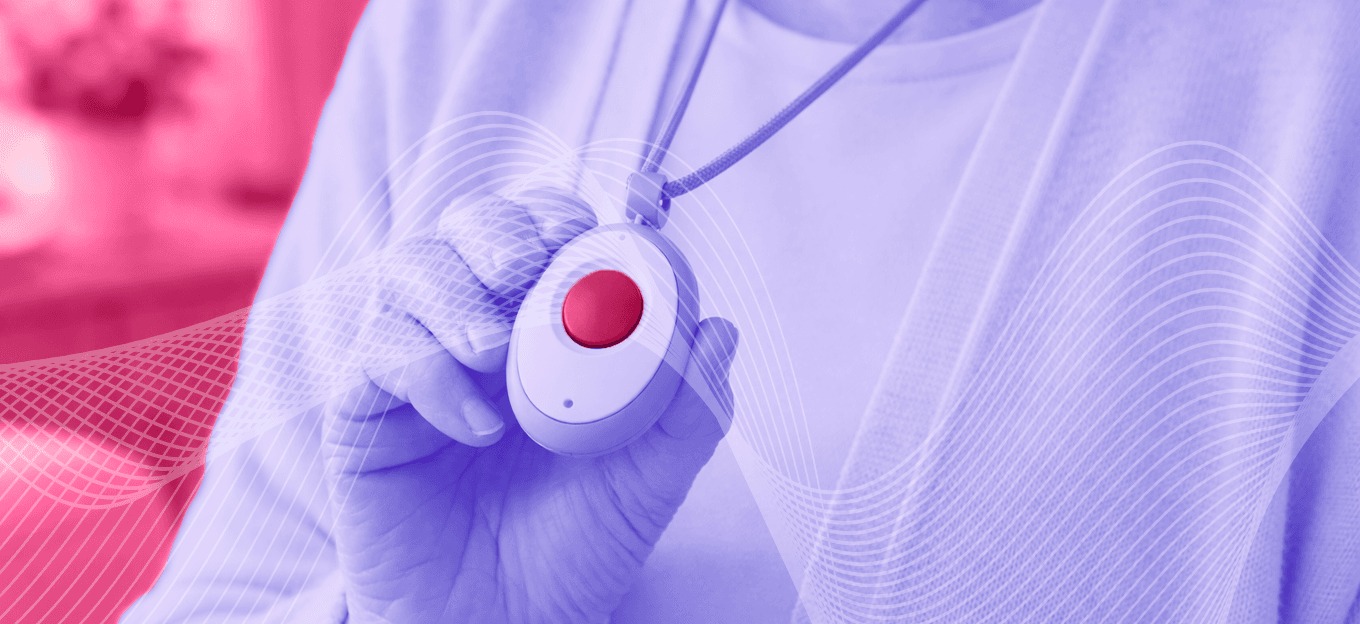
Among these solutions, the panic button stands out as a smart, accessible tool that can be worn or placed in key areas around the home. With a simple press, the device triggers an alert to call for immediate help. Some advanced systems can even detect falls automatically and report them in real-time. In this article, we’ll explore how panic alarms work, their primary benefits, and what to look for when choosing one.
Overview of Panic Alarms for the Elderly
A panic alarm provides a swift, direct lifeline for seniors who need urgent assistance, connecting them instantly to emergency responders, the police, or family members. These devices are often referred to as Telecare Systems, Personal Alarms, or Emergency Call buttons. Available as wearable wristbands, pendants, or wall-mounted units, they allow seniors to call for help during sudden accidents or medical emergencies. Most systems offer a choice between silent and audible alarms; for the elderly, audible alarms are generally preferred as they can immediately alert nearby neighbors or family members.
The technology behind these systems is straightforward. A user carries a "tag" or wearable button; when pressed, the tag sends a signal to the cloud via a gateway or direct cellular connection. Emergency contacts then receive an instant notification including the user's precise location. The underlying technology can be tailored to the environment: BLE (Bluetooth Low Energy) is excellent for indoor use, while LoRaWAN and GPS are ideal for maintaining safety outdoors.
Benefits of Panic Alarms in Elderly Care
A panic button is more than just a gadget; it is a vital tool for independence. Here are the primary advantages:
- Faster Emergency Response: As we age, the risk of falls increases, often compounded by environmental hazards like steep stairs or a lack of handrails. In these moments, a panic button is a lifeline. A single press initiates a response chain, sending high-priority signals to monitoring centers or family members’ mobile devices to ensure help arrives as quickly as possible.
- Enhanced Safety and Mobility: These devices provide a constant safety net, giving seniors the confidence to go about their daily lives. For those with cognitive impairments who may wander or become disoriented, GPS-equipped buttons are invaluable, allowing family members to locate them quickly even if they are far from home.
- Reduced Anxiety: Many seniors live with the quiet fear of falling or falling ill while alone. This persistent worry can take a toll on mental health. Panic alarms alleviate this stress, providing peace of mind not only to the seniors themselves but also to their loved ones, who know that help is always just a click away.
Consider a practical example: if a senior living alone slips in the bathroom, they may be unable to reach a phone to call for help. With a wearable button around their neck or wrist, they can signal for assistance instantly. This rapid intervention can significantly prevent a minor injury from escalating into a long-term health crisis.
Key Considerations When Choosing a Panic Alarm
While panic alarms offer numerous benefits, not all devices are created equal. When selecting a solution, keep these factors in mind:
1. Simplicity of Use: The design must be intuitive. Since some seniors may have limited hand strength or arthritis, a large, easy-to-press button is essential. Additionally, the mechanism should be straightforward enough that it can be operated instinctively, even in a moment of panic or confusion.
2. Reliability and Accuracy: In an emergency, every second counts. The system must provide real-time notifications and precise location tracking. Look for devices that integrate GPS for outdoor use and 3-axis accelerometers for reliable fall detection.
3. Durability and Battery Life: Because these devices must be "always on," long battery life is non-negotiable. Frequent charging is an inconvenience that can lead to the device being left on a nightstand when it's needed most. Look for high-capacity batteries, low-battery alerts, and robust, waterproof casings that can withstand daily wear and accidental drops.
Ensuring the safety of our aging population is a critical societal responsibility. By prioritizing simple, reliable emergency solutions like panic alarms, we can help our seniors maintain their independence and enjoy their later years with the dignity and security they deserve.

The Most Comprehensive IoT Newsletter for Enterprises
Showcasing the highest-quality content, resources, news, and insights from the world of the Internet of Things. Subscribe to remain informed and up-to-date.

New Podcast Episode

Building Real-Time Voice AI Experiences

Related Articles