


How Traffic Control Service Companies Are Modernizing Operations with Connected Technologies
How Traffic Control Service Companies Are Modernizing Operations with Connected Technologies
- Last Updated: February 23, 2026
TillerStack
- Last Updated: February 23, 2026
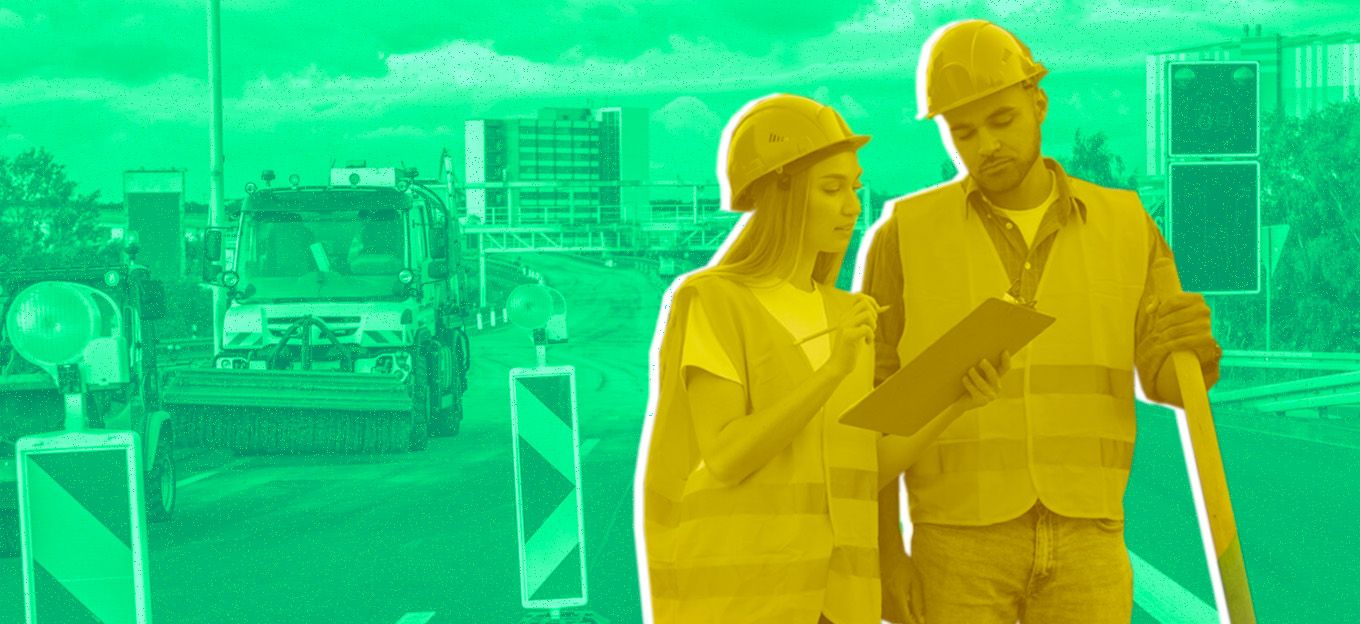
Traffic control service companies play a critical role on construction sites, road repair projects, and utility work across the U.S. and Canada. Your crews manage lane closures, signage, flagging, and public safety in environments where timing and coordination matter as much as following the rules.
Yet many traffic control businesses still rely on phone calls, paper forms, whiteboards, and text messages to run daily operations. That approach worked years ago. In 2026 and beyond, it creates delays, missed updates, and avoidable risk.
Connected technologies are changing that. From scheduling and dispatch to reporting and customer updates, modern systems are helping traffic control companies operate with better ways to see what is happening, more consistency, and confidence.
Below is how forward-thinking traffic control service providers are modernizing operations using connected tools, without overcomplicating how work actually gets done in the field.
What “Connected Technology” Means for Traffic Control Businesses
Connected technology is not about replacing people or adding complex steps. It is about making sure information flows smoothly between the office, supervisors, field crews, and clients.
In a traffic control context, that usually means:
- A centralized system for scheduling crews and jobs
- Real-time job status so office staff can see what is happening
- Digital documentation that replaces paper reports
- Automatic communication with clients and project managers
Instead of data living in notebooks, text threads, or someone’s inbox, everything lives in one place and updates as work happens.
For traffic control companies managing multiple crews across different job sites, being able to see this alone can change how the business runs day to day.
Smarter Scheduling and Crew Coordination
Scheduling is one of the biggest operational challenges in traffic control. Jobs change fast. Construction timelines shift. Emergency work comes in with little notice.
Connected scheduling tools let office teams:
- Assign crews based on availability and certifications
- Adjust schedules quickly when a job runs long or gets delayed
- See all active and upcoming jobs on one calendar view
Rather than calling or texting multiple supervisors, dispatchers can update schedules centrally and push changes out instantly.
With modern field service platforms, managers can view crew assignments, job details, and timelines in a single dashboard, reducing confusion during busy days. Field service scheduling software helps keep everyone aligned without constant back-and-forth.
Real‑Time Job Status Without Constant Calls
If you run a traffic control company, you have likely faced this situation.
A client calls asking if the crew has arrived. Another wants to know when a lane will reopen. Meanwhile, your dispatcher is calling supervisors for updates while juggling new requests.
Connected technologies reduce that chaos by giving the office a real-time view of job status.
Crews can update job progress digitally as they arrive, set up, complete work, or wrap up a site. Office staff see those updates immediately.
The result:
- Fewer phone calls
- Faster responses to clients
- Better decision-making when new jobs come in
Instead of guessing or waiting for callbacks, your team knows what is happening across all active sites.
Digital Work Orders and Reports
Paperwork orders and handwritten reports are common in traffic control, but they come with real problems. Papers get lost. Handwriting is unclear. Reports are turned in days late.
Digital work orders solve these issues while keeping reporting simple for crews.
A connected system allows field teams to:
- View job instructions and site details on their device
- Record start and end times accurately
- Capture notes or photos tied directly to the job
Office teams receive completed reports instantly, without scanning or manual data entry.
Many traffic control companies use digital documentation tools to standardize reports across crews. Digital work orders help ensure every job is documented consistently, which is essential for accurate billing, audits, and resolving disputes.
Better Rule‑Following and Responsibility
Traffic control work is heavily regulated. Proper documentation is not optional. It protects your company if questions arise about safety procedures, staffing, or timelines.
Connected systems support following the rules by:
- Making sure crews capture the required job information the same way
- Adding automatic time stamps to updates and reports
- Creating clear job histories for each project
When information is captured digitally and stored centrally, it is easier to retrieve records weeks or months later.
This level of responsibility also helps performance. Supervisors can see patterns like repeat delays or problems and fix them early.
Faster, More Professional Client Communication
Clients expect updates without chasing them down. Construction firms, municipalities, and utilities want clarity, especially when public safety is involved.
Connected technologies help traffic control companies communicate more professionally by:
- Providing accurate status updates when clients ask
- Sharing completed job reports quickly
- Reducing billing disputes through clear documentation
Some companies use customer-facing tools to automatically share job summaries or confirmations. These systems help businesses present a more organized, modern image without adding extra work for crews or office staff.
Less Paperwork for Supervisors and Managers
Supervisors in traffic control often wear multiple hats. They manage crews, oversee safety, and still handle paperwork.
Connected platforms reduce paperwork by automating routine tasks:
- Job data flows directly from the field to the office
- Reports are generated automatically
- Scheduling changes update everywhere at once
This gives supervisors more time to focus on site conditions, crew performance, and client coordination instead of chasing forms or sending updates.
Over time, this work efficiency can reduce burnout and improve retention among experienced leaders.
Using Data to Make Better Decisions
Modern traffic control companies are starting to use data not just for record‑keeping but to make decisions.
Connected systems can show data like
- Which job types run over schedule most often
- How crew use varies week to week
- Where delays or communication gaps occur
This information helps owners and managers plan staffing, pricing, and growth more effectively.
You do not need advanced analytics to benefit. Even a basic ability to see job history and performance trends can support smarter decisions.
A Real Example from a Traffic Control Company
Consider a medium-sized traffic control company working on several road projects in two cities.
Before adopting connected tools, their dispatcher spent most of the day on the phone. Supervisors turned in paper reports at the end of the week. Billing was often delayed due to missing details.
After moving to a connected field service platform, crews received job details digitally, updated status in real time, and submitted reports the same day. The office team could answer client questions instantly.
The company did not change how traffic control was done. They simply connected the information flow. That change reduced paperwork time, improved client trust, and made daily operations calmer and more predictable.
AI and IoT in Traffic Control Operations
Some traffic control companies are beginning to use AI and IoT tools to improve visibility and coordination across job sites.
IoT devices provide real-time data such as
- Vehicle and equipment location
- Arrival times and site duration
AI tools help analyze this data to:
- Flag scheduling conflicts
- Identify repeat delays
- Improve job time estimates
These technologies work in the background, supporting connected systems without changing how field crews perform traffic control work.
Why This Matters for 2026 and Beyond
Traffic control service companies face more pressure. Projects are more complicated. Clients expect clear updates. Labor is harder to find and keep.
Connected technologies help businesses meet these challenges without adding unnecessary complexity. They support safer operations, better communication, and more professional service.
These tools are being adopted not because they are trendy, but because they align with how field service businesses actually operate. When technology works quietly in the background, crews can focus on safety and getting the job done while the office stays informed.
For traffic control companies looking to modernize, the goal is not to digitize everything overnight. It is time to start connecting the parts of the business that already depend on each other.
Frequently Asked Questions
1. What traffic control companies benefit most from connected technology?
Any traffic control business managing multiple crews or job sites can benefit. It is especially helpful for companies dealing with frequent schedule changes, client updates, and daily reporting across active projects.
2. Do field crews need technical skills to use connected systems?
No. Most systems are designed to be simple and intuitive. If a crew member can use a smartphone, they can usually update job status and complete basic reports with minimal training.
3. How does connected technology support safety and following the rules?
Connected systems capture job details, timestamps, and updates consistently. This creates clear records that help with rule checks, audits, and client questions when safety or timelines are reviewed.
4. Is connected technology worth the investment?
For most traffic control companies, the value comes from saved time and better coordination. Less paperwork, faster updates, and clearer documentation often lead to smoother operations and stronger client relationships.

The Most Comprehensive IoT Newsletter for Enterprises
Showcasing the highest-quality content, resources, news, and insights from the world of the Internet of Things. Subscribe to remain informed and up-to-date.

New Podcast Episode

Building Real-Time Voice AI Experiences

Related Articles


Related Solutions

Traffic Management for Cities
Cameras for monitoring vehicles and license plate recognition to improve road traffic safety and efficiency. Includes AI-powered ANPR and intelligent software.
Cameras for monitoring vehicles and license plate recognition to improve road traffic safety and efficiency. Includes AI-powered ANPR and intelligent software.
Milesight
Milesight


Traffic Control for Cities
Traffic management solution to control costs and reduce congestion and emergency response times without widening roads, preparing your city for the future.
Traffic management solution to control costs and reduce congestion and emergency response times without widening roads, preparing your city for the future.
Digi
Digi

Related Solutions
Smart Cities
Traffic Management for Cities
Cameras for monitoring vehicles and license plate recognition to improve road traffic safety and efficiency. Includes AI-powered ANPR and intelligent software.
Milesight
Smart Cities
Traffic Control for Cities
Traffic management solution to control costs and reduce congestion and emergency response times without widening roads, preparing your city for the future.
Digi