



Why Data Quality Is the Precondition for Anything AI
Why Data Quality Is the Precondition for Anything AI

- Last Updated: October 27, 2026
Michael Skurla
- Last Updated: October 27, 2026

Data quality is the gold standard and a key requirement for building superior AI models. Engineers are well aware that AI models rarely fail because of the wrong algorithm, but rather because of wrong timestamps.
Organizations that claim to have “ten years of trend data" give the impression that they have collected information about a specific topic over a full decade, containing real changes, big patterns, and ups and downs instead of just short-term noise. Most likely, that claim means ten years of 15-minute averages, from a system whose naming convention was reset three times, and whose network dropped for a week every Spring.
That most definitely does not constitute data continuity. Data continuity and resolution matter more than the duration.
While engineers are well-versed in these specific failure modes, there are also easy fixes for each:
The Failure: Unsynchronized clocks across multiple hardware or software controllers lead to TLS certificate validation failing due to clock skew, time drift, corrupt logs, and split-brain data conflicts in distributed automation or server setups.
The Fix: Integrate a reliable network time synchronization protocol like Network Time Protocol, Precision Time Protocol (IEEE 1588), among others.
The Failure: Mixed Change of Value (COV) and polled sources on the same trend tag across a building automation or SCADA system cause false alarms, data gaps, or flatlined charts because the COV logs on value change while polled data logs on a fixed schedule.
The Fix: Pick one collection method per point and enforce it in the tag dictionary. Set poll rates to match how fast the process actually moves rather than the platform default, set a COV deadband above the sensor noise floor so the system stops logging meaningless small changes, and add a heartbeat, a maximum time between samples, so a flat line proves the point is alive instead of dead.
The Failure: Gaps during network loss that lack local edge buffering during a network connection drop prevent the data from being saved temporarily. Recording gaps become permanent as real-time transmission fails without a fallback memory.
The Fix: Configure edge devices with local storage such as SQLite, to cache data during outages for “store-and-forward”- using resilient protocols designed for handling reconnection and QoS levels, as well as reducing data frequency requirements, which will, in instances where memory may be restricted, help maximize local storage efficiency if memory is constrained.
The Failure: When a device drops, most platforms keep serving the last value with no staleness flag, so downstream analytics can't distinguish "steady" from "dead."
The Fix: Quality flags, timestamp at source, heartbeat, and marking data stale rather than repeating it.
The Failure: Sensors past calibration due date cause measurement drift, which in turn lowers the accuracy of the data, leading to compliance failure. This leads to inaccurate output values compared to actual physical standards, which may result from mechanical shock, normal wear and tear, or temperature stress.
The Fix: Recalibrate and reset the baseline parameter based on the manufacturer's software or calibration blocks, avoid using the affected sensor for critical measurements, adjust zero/span, and compare the output against a certified reference standard.
Don’t Ignore the Sensor Layers
The sensor layer is the cheapest part of the stack to fix and the most consistently ignored. Every model, dashboard, and sequence downstream inherits whatever the sensors report, and none of them can tell the difference between a reading that is correct and one that is merely plausible.
Consider a mixed-air temperature sensor that has drifted four degrees. The economizer sequence reads it as valid and holds the outside air damper in the wrong position. Nothing alarms, because nothing is out of range. It is wrong from a human perspective but will operate – quietly – for months.
Now feed a year of that data into a model. The model learns the drifted relationship as normal operation, and the optimization it produces confidently recommends the wrong thing at every site running the same sequence. The failure did not happen in the algorithm. It happened at a sensor nobody had touched since commissioning.
This is what separates industrial IoT-fed data into AI from most other AI problems. The inputs are physical. Temperature, pressure, flow, and current are not abstractions to be cleaned up in preprocessing; they are the truth the entire system is reasoning from, and their accuracy degrades with mechanical shock, wear, and thermal stress whether or not anyone is watching. Calibration date belongs to the data model as a first-class field, not in an engineer's head.
Good sensor data makes predictive maintenance real, rather than nice-to-have. Detecting a bearing failure a week out depends entirely on the trustworthiness of the vibration and temperature data feeding the system. Degrade those inputs, and the prediction does not get slightly worse; it becomes noise with a confidence interval attached.
No amount of computational power can fix bad raw data: in fact, it makes it worse.
Edging into Reliability
To secure full AI reliability, engineers must ensure edge devices are fully functional. Any malfunctioning edge device can reverberate into unreliable analytics, resulting in unreliable AI.
Regular update plans, security controls, and live checks will ensure low downtime and high-performance levels. Testing updates safely in a test lab expedites software security patches, while remote-enabled solutions and tools can provide fixes simultaneously.
While it’s obvious that a solid specification language file will define success, it’s also important to know, when it comes to spec language, that it requires:
- NTP time synchronization across all controllers
- Defined minimum sample rate
- Local buffering with a stated retention duration so network loss does not create holes
- Unit normalization and scaling at ingest
- Raw data retention alongside any derived or averaged series
- Ideally, metadata fields including calibration date and override state
It is important to remember that governance is a deliverable. An organization must own and be responsible for the tag dictionary and the naming standards to ensure continuity during personnel turnover. If no one owns these, they can quickly deteriorate or become disorganized when different contractors or vendors contribute to the company.
When it comes to open frameworks, this is most critical. The gap between analytic insight and field execution is often the missing part, even though it provides the most value for predictive maintenance.

The Most Comprehensive IoT Newsletter for Enterprises
Showcasing the highest-quality content, resources, news, and insights from the world of the Internet of Things. Subscribe to remain informed and up-to-date.

New Podcast Episode

Building Real-Time Voice AI Experiences

Related Articles



Related Solutions

Emergency Department Workflow Management
Gain a complete view of patient flow, staff activity, and resource availability to reduce wait times, improve satisfaction, and optimize throughput.
Gain a complete view of patient flow, staff activity, and resource availability to reduce wait times, improve satisfaction, and optimize throughput.
Vizzia Technologies
Vizzia Technologies
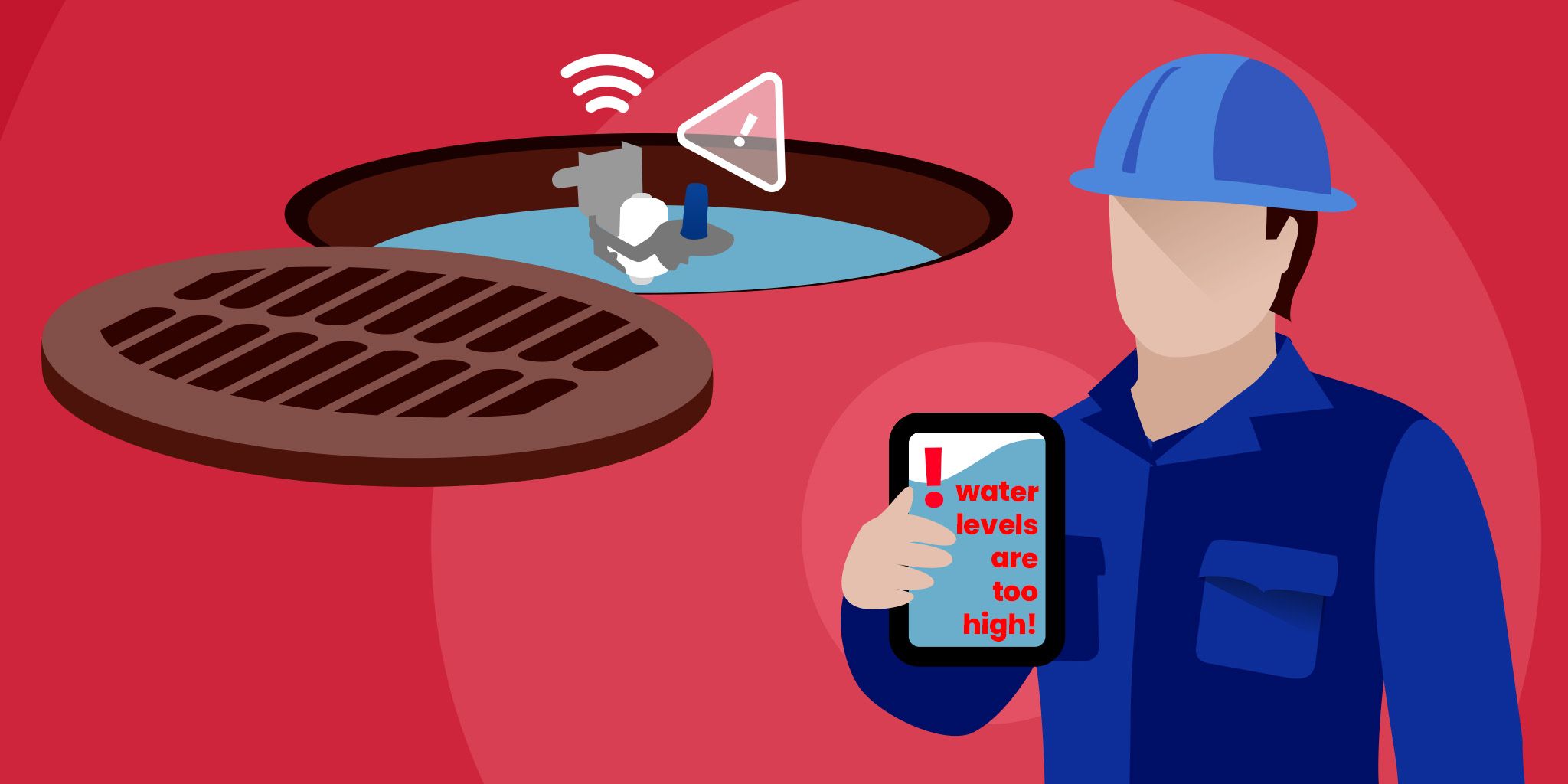
Sewer Level Monitoring
Real‑time sewer level data and early alerts to prevent overflows, prioritize maintenance, and proactively manage networks.
Real‑time sewer level data and early alerts to prevent overflows, prioritize maintenance, and proactively manage networks.
Kallipr
Kallipr
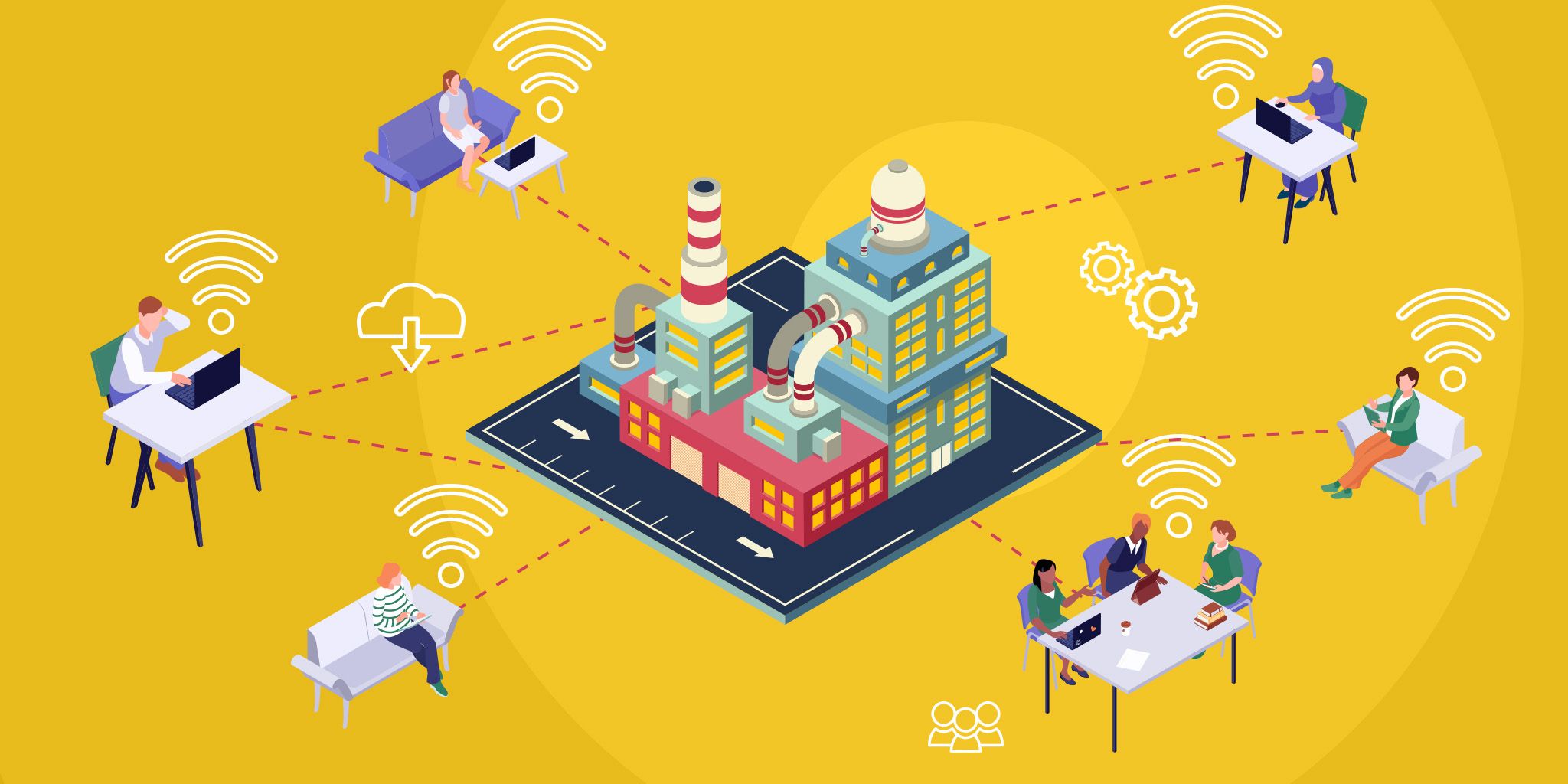
Asset Performance Management for Manufacturers
Monitor, manage, and optimize your equipment with real‑time health checks, predictive maintenance, and lifecycle tracking.
Monitor, manage, and optimize your equipment with real‑time health checks, predictive maintenance, and lifecycle tracking.
IoT83
IoT83

Related Solutions
Healthcare
Emergency Department Workflow Management
Gain a complete view of patient flow, staff activity, and resource availability to reduce wait times, improve satisfaction, and optimize throughput.
Vizzia Technologies
Utilities
Sewer Level Monitoring
Real‑time sewer level data and early alerts to prevent overflows, prioritize maintenance, and proactively manage networks.
Kallipr
Manufacturing
Asset Performance Management for Manufacturers
Monitor, manage, and optimize your equipment with real‑time health checks, predictive maintenance, and lifecycle tracking.
IoT83