Digital Twin Data: How Real-Time Data Powers Smarter Business Decisions
Digital Twin Data: How Real-Time Data Powers Smarter Business Decisions

- Last Updated: October 1, 2026
Mehul Rajput
- Last Updated: October 1, 2026
Most conversations about digital twins focus on the model: the 3D render, the simulation engine, the dashboard. Fewer conversations focus on what actually makes a digital twin useful, which is the data feeding it.
A digital twin without a disciplined real-time data strategy is just an expensive animation. A digital twin built on clean, contextualized, continuously updated data becomes something closer to a live decision engine.
I run MindInventory, a technology services firm that has built digital twin and IoT systems across manufacturing, energy, and logistics. Across those projects, the pattern is consistent. Companies that treat digital twin data as an afterthought end up with twins that look impressive in a demo and fail in production. Companies that design the data layer first end up with systems operators actually trust.
This article looks at how real-time data moves through a digital twin, what separates a working data pipeline from a broken one, and how that data translates into decisions that hold up under pressure.
What Digital Twin Data Actually Means
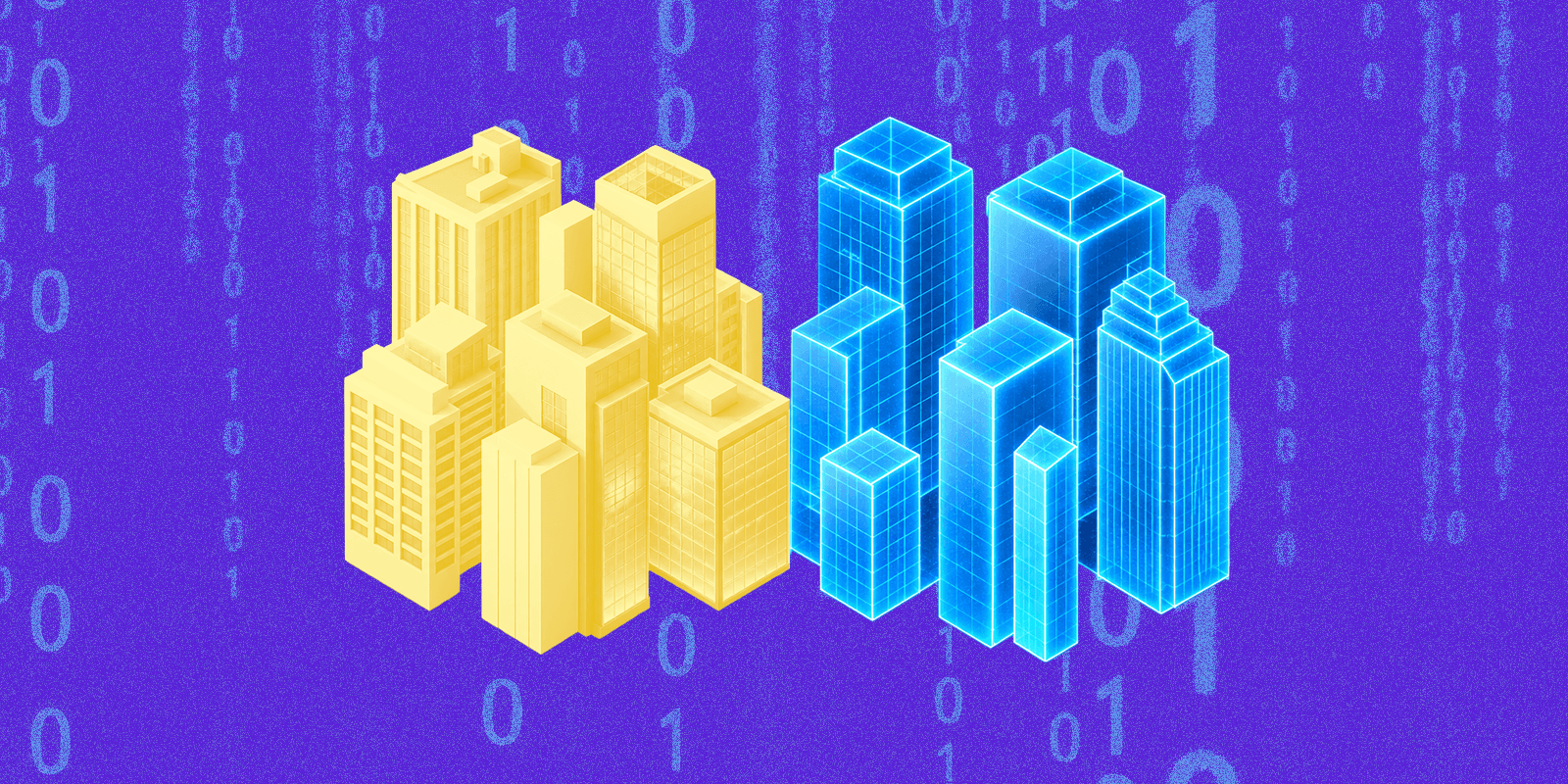
A digital twin is a virtual representation of a physical asset, process, or system that stays synchronized with its physical counterpart through continuous data exchange. That synchronization is the entire point. A static 3D model or a one-time simulation is not a digital twin. It becomes a digital twin only when real-world data keeps updating it.
Digital twin data, then, is not one dataset. It is a layered mix of sensor telemetry, historical operational records, engineering specifications, environmental inputs, and business system data (ERP, MES, CMMS) that together let the twin represent both current state and predicted future state.
Digital Twin Data vs Traditional Business Intelligence
Traditional BI dashboards summarize what already happened. Digital twin data is different on three counts. First, it is continuous rather than batch-refreshed, often streaming in seconds or milliseconds rather than nightly loads. Second, it is contextualized to a specific physical object or process rather than aggregated across a business unit. Third, it feeds simulation and prediction, not just retrospective reporting. A BI report tells a plant manager that a machine ran at 82 percent utilization last week. A digital twin tells the same manager that a specific bearing is trending toward failure in the next 11 days, based on live vibration and temperature data compared against historical failure signatures.
Where Digital Twin Data Comes From: The Real-Time Data Pipeline
Understanding the pipeline matters because most digital twin failures trace back to a specific stage in this chain, not to the modeling software itself.
Edge Collection and Sensor Layer
Data originates at IoT sensors and devices: temperature probes, vibration sensors, pressure gauges, GPS trackers, cameras, PLCs, and SCADA systems. The sampling rate here matters more than most teams initially plan for. Twin monitoring of structural stress on a bridge needs a different sampling frequency than tracking warehouse temperature. Over-sampling wastes bandwidth and storage; under-sampling misses the events that actually matter.
Connectivity and Ingestion
Sensor data moves over cellular IoT, LPWAN, Wi-Fi, or industrial Ethernet into ingestion layers, often via protocols like MQTT or OPC UA. This is where many enterprise deployments hit their first real obstacle: legacy equipment speaking proprietary protocols that were never designed to talk to a modern data platform. Middleware and protocol bridges exist specifically to solve this, and budgeting for that integration work upfront avoids a lot of pain later.
Contextualization and the Digital Thread
Raw sensor values are meaningless without context. A temperature reading of 85 degrees Celsius means nothing until it is tied to the specific asset, its rated operating range, its maintenance history, and its current load. This contextualization layer, sometimes called the digital thread, links real-time telemetry to

The Most Comprehensive IoT Newsletter for Enterprises
Showcasing the highest-quality content, resources, news, and insights from the world of the Internet of Things. Subscribe to remain informed and up-to-date.

New Podcast Episode

The Future of AI-Powered Public Safety

Related Articles