



What Is a Drone City? How Drones Are Transforming Urban Planning
What Is a Drone City? How Drones Are Transforming Urban Planning

- Last Updated: April 24, 2026
Dania Akram
- Last Updated: April 24, 2026
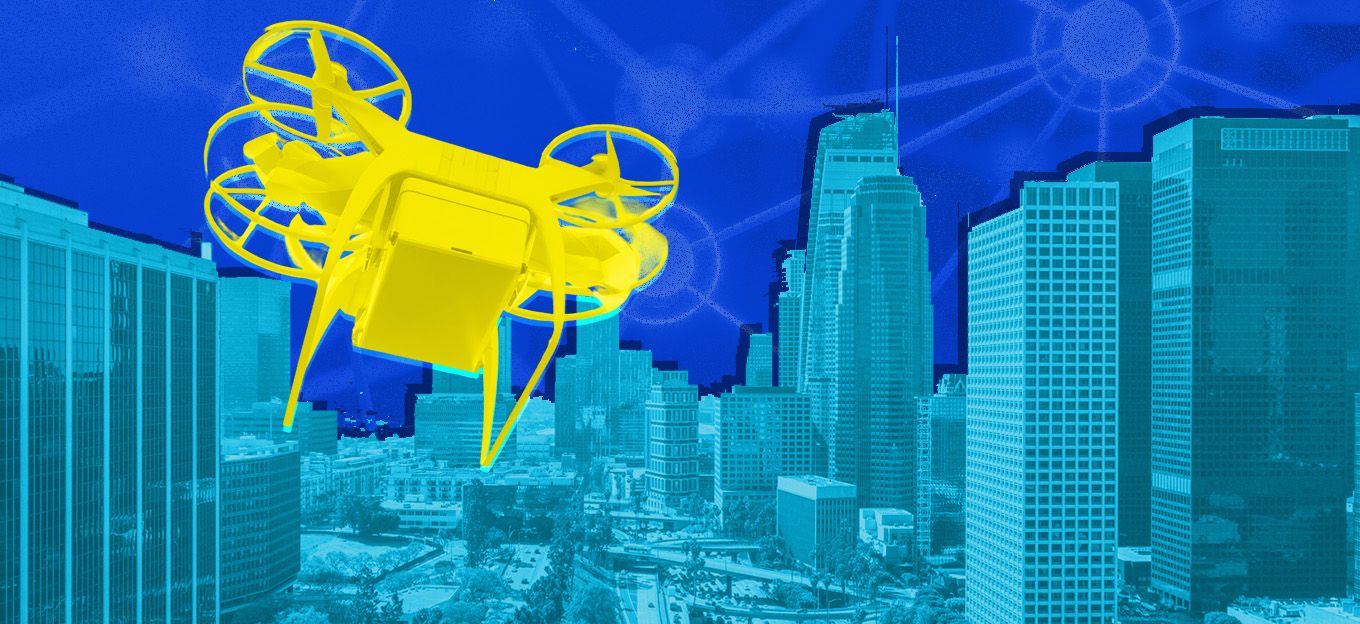
Cities are under increasing pressure—from rapid population growth and aging infrastructure to rising sustainability demands. Traditional urban planning methods, while effective in the past, are struggling to keep up with the complexity and speed of modern development.
For city planners, infrastructure leaders, and decision-makers exploring smart city initiatives, a new approach is emerging: the Drone City.
By integrating drones into urban planning and operations, cities can unlock faster insights, better data, and smarter decision-making at scale.
What Is a Drone City
A drone city is an urban environment where drones play a central role in planning, monitoring, and managing infrastructure and services.
Rather than relying solely on ground surveys or static data, drones deliver a continuous stream of high-resolution, real-time information from above. This aerial intelligence enables stakeholders to better understand how urban environments evolve—and how to respond more effectively.
In fact, when these capabilities are fully integrated into city planning, they form what is known as a drone city, a key component of data-driven, connected urban ecosystems.
In short, drone cities are a cornerstone of data-driven, connected urban ecosystems, enabling smarter, faster, and more informed urban planning decisions.
Why Drones Are Becoming Essential in Urban Planning
Urban planning depends heavily on accurate, timely data. Drones are rapidly becoming essential because they solve some of the biggest limitations of traditional methods.
Faster Data Collection
Drones can survey large areas in a fraction of the time required by manual methods. What once took days or weeks can now be completed in hours, enabling faster project timelines.
High-Precision Insights
With advanced sensors and imaging capabilities, drones generate highly detailed maps, 3D models, and geospatial data. This level of precision supports better planning and reduces costly errors.
Real-Time Visibility
Unlike static reports, drone data can be updated frequently. This allows planners to monitor changes in real time—whether it's construction progress, traffic flow, or environmental conditions.
Improved Safety
Drones can access dangerous or hard-to-reach areas such as rooftops, highways, and unstable structures. This reduces the need for manual inspections and minimizes risk to workers.
Cost Efficiency
By reducing labor, equipment, and time requirements, drone-based data collection is often more cost-effective than traditional surveying techniques.
Core Technologies Powering Drone Cities
Drone Cities are not just about flying devices—they are powered by a broader ecosystem of technologies that transform raw data into actionable insights.
Aerial Mapping and GIS Integration
Drones capture geotagged imagery that integrates with Geographic Information Systems (GIS). This enables planners to visualize, analyze, and manage spatial data more effectively.
3D Modeling and Digital Twins
Using high-resolution imagery and LiDAR, drones help create accurate 3D models of cities. These models can act as digital twins, allowing planners to simulate changes before implementing them in the real world.
Multi-Sensor Data Collection
Modern drones are equipped with a variety of sensors, including thermal, multispectral, and LiDAR systems. These tools provide layered insights into infrastructure, environmental conditions, and land use.
Key Use Cases of Drone Cities
Drone technology is already being applied across multiple aspects of urban development. Here are some of the most impactful use cases:
Urban Planning and Zoning
Drones provide a comprehensive aerial view that supports better land-use analysis and zoning decisions. Planners can evaluate terrain, infrastructure, and development patterns with greater accuracy.
Infrastructure Inspection and Maintenance
Bridges, roads, and buildings can be monitored regularly using drones. Early detection of structural issues helps reduce long-term maintenance costs and prevent failures.
Construction Monitoring
Drones enable real-time tracking of construction projects. Teams can compare actual progress against plans, improving accountability and project efficiency.
Traffic and Mobility Optimization
Aerial data helps identify congestion points and analyze traffic patterns. This supports smarter transportation planning and improved urban mobility.
Environmental Monitoring
Drones can track pollution levels, green space coverage, and urban heat zones. These insights are critical for building more sustainable and livable cities.
Drone Cities and the Rise of Data-Driven Decision Making
One of the most significant impacts of Drone Cities is the shift toward data-driven decision-making.
Instead of relying on outdated or incomplete information, city leaders can make decisions based on real-time, high-quality data. This leads to:
- More accurate planning outcomes
- Faster response to urban challenges
- Better allocation of resources
- Increased transparency in decision-making
As cities become more complex, this ability to act on real-time insights becomes a competitive advantage.
Challenges to Address
Despite their potential, Drone Cities also introduce new challenges that must be carefully managed.
Regulatory and Airspace Constraints: Drone operations are subject to aviation regulations, which can limit where and how they are deployed.
Data Privacy and Security: Collecting large amounts of visual and spatial data raises important questions about privacy and data protection.
Data Management Complexity: Drone operations generate significant volumes of data. Cities need the right systems and expertise to store, process, and analyze this information effectively.
Public Perception: Community acceptance plays a critical role. Concerns around noise, safety, and surveillance must be addressed through transparent policies and communication.
The Future of Drone Cities
Drone Cities are still evolving, but their trajectory is clear. As part of broader smart city ecosystems, drones will increasingly integrate with technologies like IoT sensors, artificial intelligence, and automation platforms.
In the future, drones will not only collect data but also actively support city operations—ranging from infrastructure maintenance to emergency response and beyond.
Cities that adopt drone-driven planning early will be better positioned to handle growth, improve resilience, and deliver higher-quality urban experiences.
Final Thoughts
The concept of a Drone City represents a fundamental shift in how urban environments are planned and managed.
For decision-makers, the opportunity lies in moving beyond traditional approaches and embracing technologies that provide faster insights, greater accuracy, and improved efficiency.
Drones are not just enhancing urban planning—they are redefining it.

The Most Comprehensive IoT Newsletter for Enterprises
Showcasing the highest-quality content, resources, news, and insights from the world of the Internet of Things. Subscribe to remain informed and up-to-date.

New Podcast Episode

IoT Is Finally Delivering

Related Articles

Related Solutions
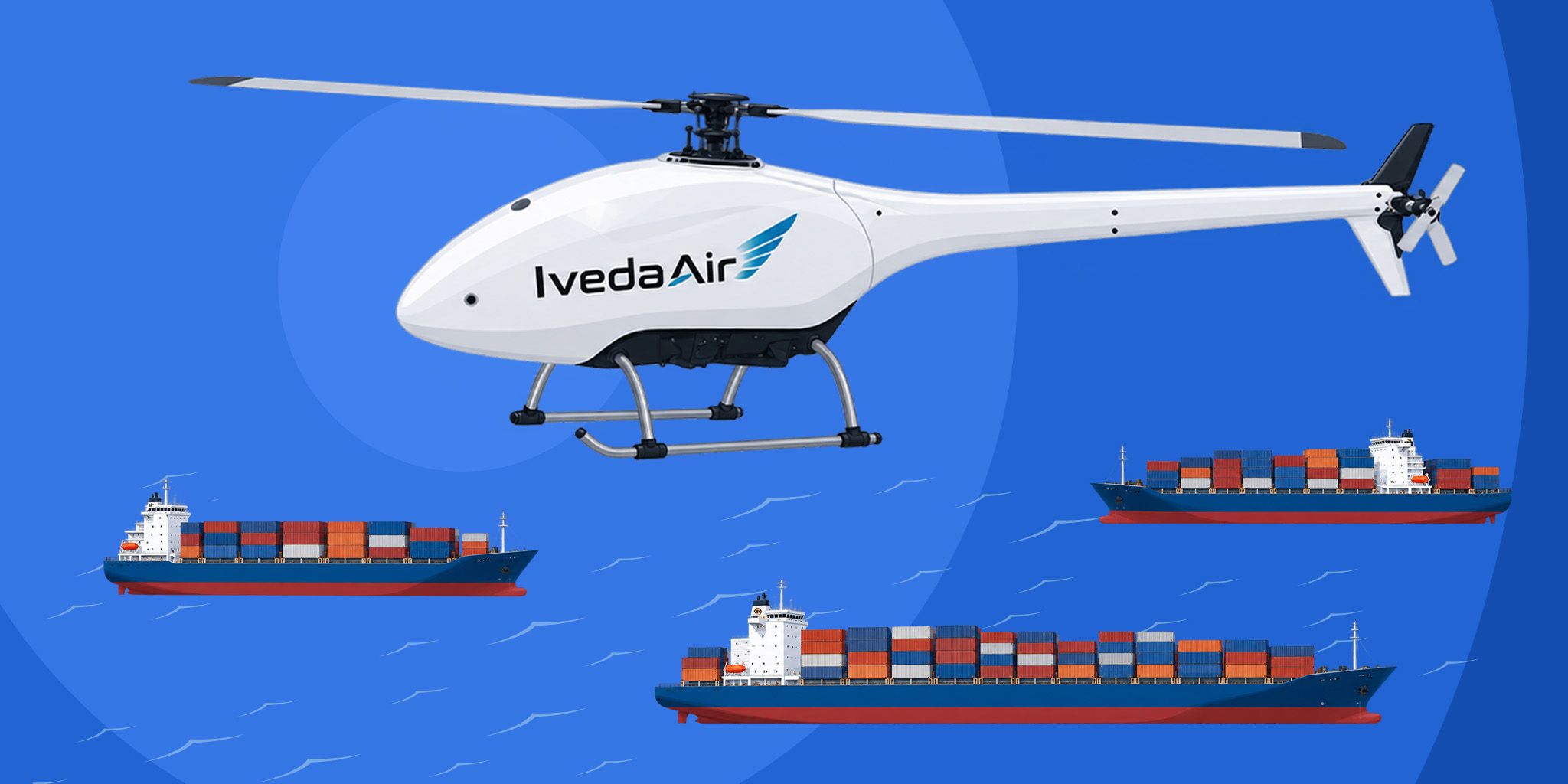
Long-Endurance Aerial Monitoring and Response
AI-powered analytics and mission-ready aircraft for public safety, maritime, search and rescue, and emergency response.
AI-powered analytics and mission-ready aircraft for public safety, maritime, search and rescue, and emergency response.
Iveda
Iveda
GNSS Module for Embedded Positioning
Embed reliable GNSS positioning directly into connected products with a module-level solution.
Embed reliable GNSS positioning directly into connected products with a module-level solution.
Kalmix
Kalmix

Smart Drones for Site Inspection and Monitoring
AI-driven drones provide autonomous surveillance for pipeline inspections, power line monitoring, and environmental compliance.
AI-driven drones provide autonomous surveillance for pipeline inspections, power line monitoring, and environmental compliance.
Iveda
Iveda

Related Solutions
Maritime & Boating
Long-Endurance Aerial Monitoring and Response
AI-powered analytics and mission-ready aircraft for public safety, maritime, search and rescue, and emergency response.
Iveda
Industrial
GNSS Module for Embedded Positioning
Embed reliable GNSS positioning directly into connected products with a module-level solution.
Kalmix
Utilities
Smart Drones for Site Inspection and Monitoring
AI-driven drones provide autonomous surveillance for pipeline inspections, power line monitoring, and environmental compliance.
Iveda