



How to Evaluate Inventory Intelligence: Key Questions for Warehouse and DC Leaders
How to Evaluate Inventory Intelligence: Key Questions for Warehouse and DC Leaders

- Last Updated: October 23, 2026
Vimaan
- Last Updated: October 23, 2026
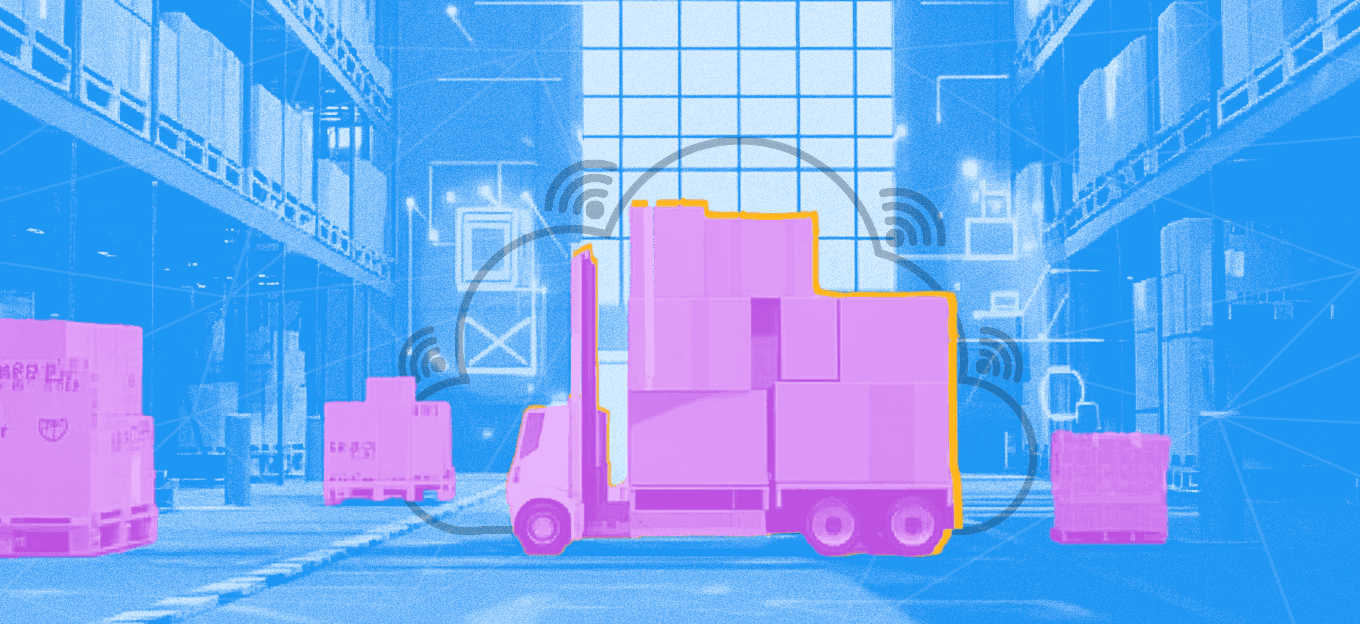
Warehouses and Distribution Centers have spent years automating the hands and legs of their operations, with conveyors, AS/RS, AMRs and robotic arms moving boxes, pallets and parcels faster than manual labor ever could. Many have also added the eyes, in the form of barcode scanners, RFID, sensors and machine vision that identify items and record where they are.
What most of them still lack is the brains, meaning the ability to understand what is physically in front of those eyes. Whether a pallet is complete, whether a case is damaged, whether a load is configured safely for the equipment downstream and whether the system of record matches reality are questions that, in many facilities, still depend on a person looking.
Inventory intelligence is the capability that closes that gap, and for operations leaders evaluating it the vocabulary can be confusing, because inventory visibility, tracking and intelligence are often used interchangeably. This article explains what inventory intelligence is, how it differs from the approaches warehouses already use and which questions to ask when comparing options and running a pilot.
What is Inventory Intelligence?
Inventory intelligence is the ability of a warehouse to understand its inventory in full physical context, using AI and computer vision to capture what is present, how much of it there is, where it sits, what condition it is in and how it is configured, and then to turn that understanding into verified, near real-time data that operations teams can act on.
It helps to place it next to the terms it is often confused with. Industry definitions describe inventory tracking as the systems and methods a company uses to monitor how goods move through the supply chain and inventory visibility as the resulting ability to monitor the location, quantity, status and movement of inventory. Both are frequently automated today, and inventory intelligence includes everything they do while going further, because it also understands the physical state of the inventory itself, such as damage, missing cases or unsafe configurations that an identifier cannot reveal.
In the analogy above, tracking and visibility are the eyes, and inventory intelligence adds the brain that makes sense of what the eyes see.
Why Movement Automation Alone Does Not Settle the Question
Automation moves inventory faster, but it does not check what it is moving, and that distinction matters more as facilities become more automated. A misconfigured pallet entering an AS/RS does not wait for someone to notice it, and an overhang or an over-height load can jam a conveyor or damage equipment that was built to run without interruption.
The same gap shows up on the commercial side. A damaged shipment missed at receiving resurfaces weeks later as a claim dispute, and a mis-shipment caught only after the truck leaves the dock becomes a chargeback with no evidence to settle it. In both cases the cost comes from the physical state of the inventory differing from what the system recorded, which is the gap that identity-based tools were never designed to see.
How Inventory Intelligence Compares with Five Common Approaches
Closing that gap rarely starts from a blank sheet, because most warehouses already run barcode, RFID or machine vision systems, and many have also considered analytics tools, system integrators or autonomous capture platforms. Comparing what each approach does well and where it stops, can show you where an existing tool is already enough and where inventory intelligence can add something new.
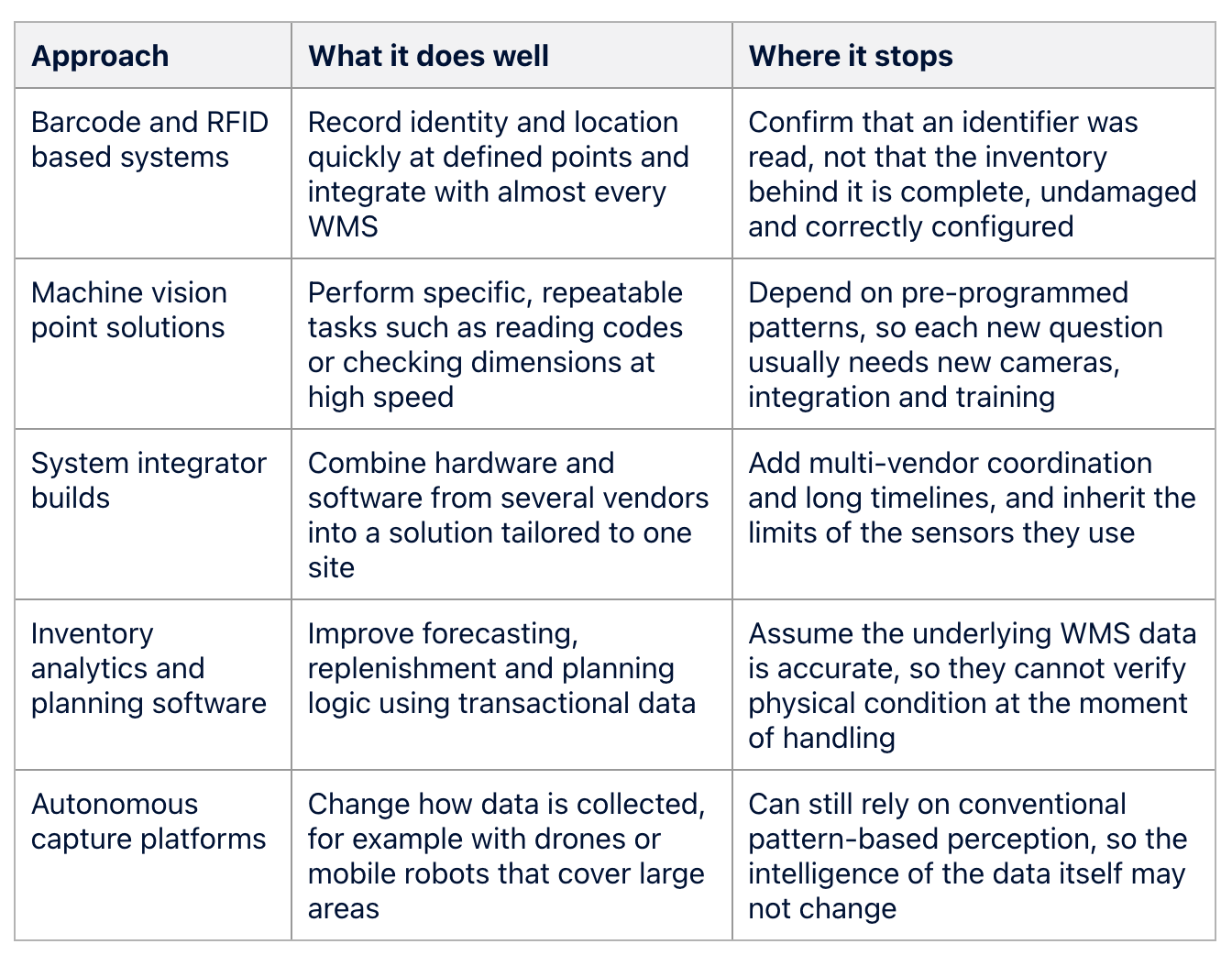
Several of these approaches remain the right choice for simple, tightly controlled tasks, and inventory intelligence is not meant to replace everything already in place, since it builds on those systems by adding an understanding of the physical state of the inventory. The question is which problems in your operation need that added understanding, and the six questions below show how to test whether a solution truly delivers inventory intelligence or only relabels visibility.
Six Questions to Ask When Evaluating Inventory Intelligence
Because inventory intelligence is a young category, the term is already used in different senses, including for forecasting and analytics software built on data that already sits in the WMS, so the most reliable way to evaluate a solution is to test it against the capabilities that define the concept as used here: understanding the physical state of the inventory, verifying it against the system of record and doing so across the workflows where errors occur. The six questions below make that test concrete.
1. Physical State or Only Identifiers?
The first test of inventory intelligence is whether the system captures what is physically present, how much of it there is, what condition it is in and how it is configured, and not only the identifier printed on a label. Ask the vendor to show what the system reports for the same pallet or parcel beyond its barcode, such as count, dimensions, damage and label content, and bring your most difficult loads, such as damaged cases, mixed pallets and unreadable labels, to see what it reports for each. Rule-based systems tend to struggle with variable lighting, damaged labels and unfamiliar packaging, whereas computer vision models trained on real warehouse imagery can read text, count items, measure dimensions and assess condition from the same captured images.
2. One Workflow or Several?
Inventory errors rarely stay in one place, because a mistake that enters at receiving shows up later in storage and leaves the building as a customer claim, so ask whether the same platform, hardware and models can extend from receiving to storage and shipping without being redesigned each time. A platform that covers several workflows reduces integration effort, keeps inventory data consistent across the facility and avoids stitching together separate vendors as automation grows.
3. Who Owns the Solution From Capture to Integration?
Inventory intelligence depends on several layers working together, from cameras and sensors to AI models, analytics and the integration with your WMS, so check who is accountable for each of them, because a solution split across several vendors tends to break at the seams. A single owner of the full stack, including deployment design and fine-tuning for your facility, shortens timelines and makes it clear who fixes a problem when one appears.
4. What Evidence is Kept for Every Event?
Verified data is more useful when it can be inspected. Ask whether every receiving, storage and shipping event is stored with source images that can be searched later, because a visual audit trail turns a dispute with a carrier, supplier or retailer from one person's word against another's into a question that can be answered from the record.
5. How Well Does the Solution Fit Your Workflow?
Workflow integration is the most commonly underestimated risk in these projects. A system can meet every accuracy target and still lose its return if it adds steps, slows cycle times or needs staff to work around it, so map the solution to the way your dock, racks and conveyors actually run. Confirm also how captured data is compared with what your WMS or ERP expects, how deviations such as count mismatches, damage and missing labels are reported, and how verified results flow back so that the system of record stays aligned with reality.
6. How Many Exceptions Still Need a Person?
No inventory intelligence solution resolves every case automatically, so ask how exceptions are handled and how often a person has to review them. A design in which the system resolves most cases itself and flags the remainder for quick review with the image attached keeps labor low, whereas one that needs a person to verify every output simply moves the manual work somewhere else.
Start With a Baseline and a Representative Pilot
Any ROI calculation depends on knowing what the starting point looked like, so before a pilot, record current figures for the numbers the project is meant to change, such as labor hours spent on counting and checking, discrepancy rates, claims, chargebacks and equipment stoppages caused by non-compliant loads. A baseline recorded in advance is what lets finance teams trust the savings reported afterward.
Design the pilot to reflect real conditions, because a pilot that covers only clean, common cases can look excellent and then disappoint at scale. Include the variety and volume of loads you see on a busy day, test the corner cases your team already knows are difficult and confirm that the capabilities needed to reach the expected return are part of the pilot and not reserved for a later phase. In our experience at Vimaan, the pilots that struggle usually do so because a requirement that mattered for the return surfaced late, the workflow integration added labor or known corner cases turned out to block scale.
When you calculate the ROI, start with labor, since reduced manual effort is usually the largest share, and then add secondary effects such as fewer returns and claims, fewer stoppages and better quality. Model both a pilot-scale and a full-deployment scenario so the projection does not rest on a single site.
Where Inventory Intelligence Pays Off First
The strongest fit is an operation with high volume, significant labor in inventory handling, complex and variable inventory and a high cost attached to mistakes, such as multi-site distribution networks, third-party logistics providers, retailers and brands with demanding service levels. Greenfield sites can design inventory intelligence in from the start, while existing facilities can add it as a layer on top of current systems, replacing manual checks without replacing the WMS or the automation already installed.
Facilities with low volume, simple processes and tightly controlled conditions, where basic barcode reading already does the job, may not need the extra capability, and it is better to say so plainly.
Making Inventory Intelligence Part of Your Automation Roadmap
Automation has already given warehouses the hands and legs, and visibility tools have given them the eyes, so the next decision for many operations leaders is how to add the brains that turn what is seen into verified, actionable understanding. Leaders who ask the questions above, test against real conditions and measure against a clear baseline will be better placed to choose a solution that holds up well beyond the pilot.
At Vimaan, where we build AI and computer vision for inventory intelligence across inbound receiving, storage (cycle counting) and outbound shipping, the conversations that go best are the ones that start with the operation's hardest problems and not with a feature list. That is also how automation that moves inventory quickly becomes automation that can be trusted with the inventory it moves.
Raushan Barnwal is Head of Growth & Marketing at Vimaan, which builds AI and computer vision for inventory intelligence across receiving, storage and shipping in warehouses and distribution centers.

The Most Comprehensive IoT Newsletter for Enterprises
Showcasing the highest-quality content, resources, news, and insights from the world of the Internet of Things. Subscribe to remain informed and up-to-date.

New Podcast Episode

Building Real-Time Voice AI Experiences

Related Articles


Related Solutions

Asset Monitoring for Refrigeration Equipment
Protect refrigerated assets and maintain product quality with automated, real-time equipment monitoring.
Protect refrigerated assets and maintain product quality with automated, real-time equipment monitoring.
SmartSense by Digi
SmartSense by Digi

Infant Security for Hospitals
Enable immediate alerts, automated security responses, and mother-baby matching to reduce abduction risk.
Enable immediate alerts, automated security responses, and mother-baby matching to reduce abduction risk.
Vizzia Technologies
Vizzia Technologies
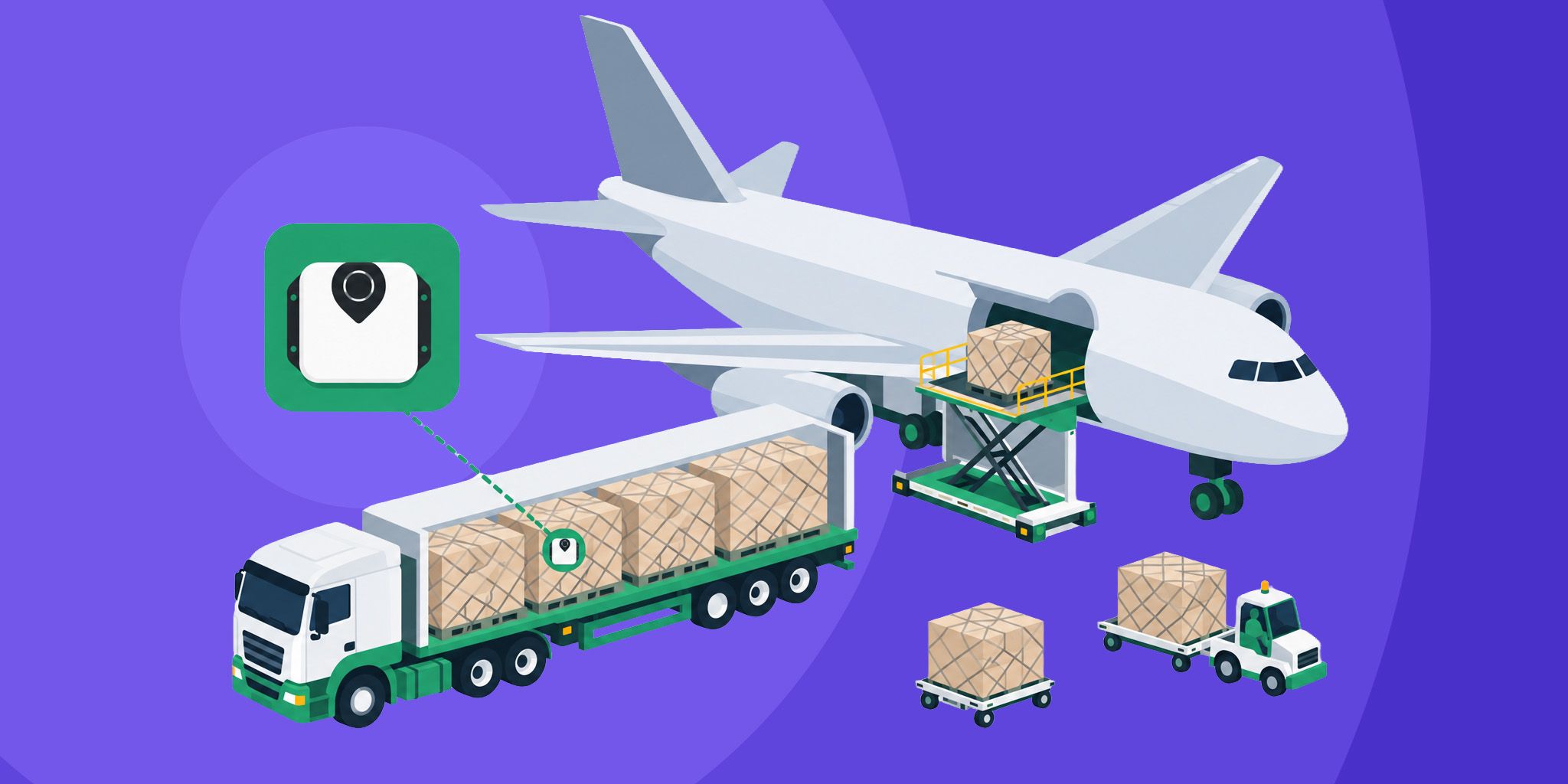
Unit Load Device Tracking for Airports
Real-time visibility into Unit Load Devices and supporting airport assets with solar-powered tracking and BLE.
Real-time visibility into Unit Load Devices and supporting airport assets with solar-powered tracking and BLE.
SODAQ
SODAQ

Related Solutions
Supply Chain & Logistics
Asset Monitoring for Refrigeration Equipment
Protect refrigerated assets and maintain product quality with automated, real-time equipment monitoring.
SmartSense by Digi
Healthcare
Infant Security for Hospitals
Enable immediate alerts, automated security responses, and mother-baby matching to reduce abduction risk.
Vizzia Technologies
Supply Chain & Logistics
Unit Load Device Tracking for Airports
Real-time visibility into Unit Load Devices and supporting airport assets with solar-powered tracking and BLE.
SODAQ