



Why Industrial IoT Projects Fail at the Network Edge — And How Industrial Routers Solve the Problem
Why Industrial IoT Projects Fail at the Network Edge — And How Industrial Routers Solve the Problem

- Last Updated: July 23, 2026
Wavetel IoT
- Last Updated: July 23, 2026

Industrial IoT (IIoT) has transformed the way factories, utilities, transportation systems, and remote assets operate. Sensors generate massive amounts of operational data, cloud platforms provide analytics, and AI applications promise predictive maintenance and autonomous decision-making.
Yet, many IIoT deployments encounter an unexpected obstacle long before they can realize these benefits: connectivity.
In theory, connecting industrial devices to the internet sounds straightforward. In practice, industrial environments introduce challenges that traditional networking equipment was never designed to handle.
The Connectivity Gap in Industrial IoT
Most industrial assets are not located inside climate-controlled office environments. They are deployed in factories, substations, oil fields, water treatment plants, transportation hubs, and remote infrastructure sites.
These environments create several connectivity challenges:
- Harsh temperatures and environmental conditions
- Limited or unavailable wired broadband infrastructure
- Frequent power fluctuations
- High requirements for network uptime
- Security risks from public internet exposure
- Remote locations that are difficult to service
While sensors and cloud platforms receive significant attention during project planning, the communication layer is often treated as a commodity. This assumption frequently leads to reliability issues once deployments scale.
Industry research continues to highlight that connectivity remains a foundational requirement for successful IIoT infrastructure and smart manufacturing initiatives. Reliable and resilient communication is essential for supporting real-time monitoring, automation, and data-driven decision-making.
Why Consumer Networking Equipment Falls Short
A common mistake in early-stage deployments is relying on consumer-grade routers or office networking equipment.
These devices may work well in homes or corporate offices, but industrial operations demand significantly different capabilities:
Environmental Durability
Industrial sites often experience extreme temperatures, dust, humidity, vibration, and electromagnetic interference. Consumer devices are rarely designed to operate reliably under these conditions.
Remote Management Requirements
When a router is installed hundreds of miles away, manual troubleshooting becomes costly and impractical. Industrial deployments require centralized monitoring, remote diagnostics, configuration management, and firmware updates.
Cellular Connectivity
Many industrial assets are located where fiber or fixed broadband services are unavailable. Cellular connectivity often becomes the primary communication method, making LTE and 5G support essential.
High Availability
Production downtime can be extremely expensive. Industrial networks require failover mechanisms, watchdog systems, and redundant communication paths to minimize disruptions.
The Growing Importance of Cellular Networks
The expansion of LTE and 5G infrastructure has fundamentally changed how industrial organizations approach connectivity.
Instead of extending expensive wired networks to every remote location, operators can deploy secure cellular connections for:
- Remote monitoring systems
- Utility infrastructure
- Smart transportation networks
- Oil and gas facilities
- Renewable energy installations
- Temporary construction sites
- Digital signage and kiosks
Modern industrial cellular routers provide the flexibility to connect assets quickly while maintaining enterprise-grade security and reliability.
Security Cannot Be an Afterthought
As operational technology (OT) becomes increasingly connected, cybersecurity concerns continue to grow.
Industrial systems frequently support protocols such as Modbus, MQTT, OPC UA, and proprietary control protocols. These systems often interact with cloud services, edge computing platforms, and enterprise applications.
Security strategies should include:
- VPN technologies such as IPsec and OpenVPN
- Firewall policies
- Network segmentation
- Secure remote access
- Certificate-based authentication
- Centralized device management
The objective is not only to protect data but also to ensure operational continuity.
What Organizations Should Look for in an Industrial Router
Selecting an industrial router involves more than comparing throughput specifications.
Organizations should evaluate:
Network Resilience
Look for dual SIM support, automatic failover, WAN backup, and network recovery capabilities.
Industrial Protocol Compatibility
Support for industrial communication standards simplifies integration with existing equipment.
Remote Device Management
Centralized monitoring and management reduce operational costs across large deployments.
Security Features
VPN support, advanced firewall capabilities, and secure firmware update mechanisms are critical.
Long-Term Availability
Industrial projects often remain operational for years. Hardware and software lifecycle support should align with deployment expectations.
Building a Reliable Edge Infrastructure
As Industrial IoT ecosystems continue to expand, connectivity is becoming one of the most strategic layers of the architecture.
The edge is where sensors, controllers, machines, and operational data first interact with the network. If this layer is unreliable, even the most advanced analytics platform cannot deliver meaningful business outcomes.
Organizations that prioritize resilient industrial networking infrastructure from the beginning often experience faster deployments, lower maintenance costs, and improved system reliability.
Reliable connectivity may not be the most visible part of an IIoT project, but it is often the foundation that determines whether the project succeeds or fails.

The Most Comprehensive IoT Newsletter for Enterprises
Showcasing the highest-quality content, resources, news, and insights from the world of the Internet of Things. Subscribe to remain informed and up-to-date.

New Podcast Episode

Building Real-Time Voice AI Experiences

Related Articles



Related Solutions
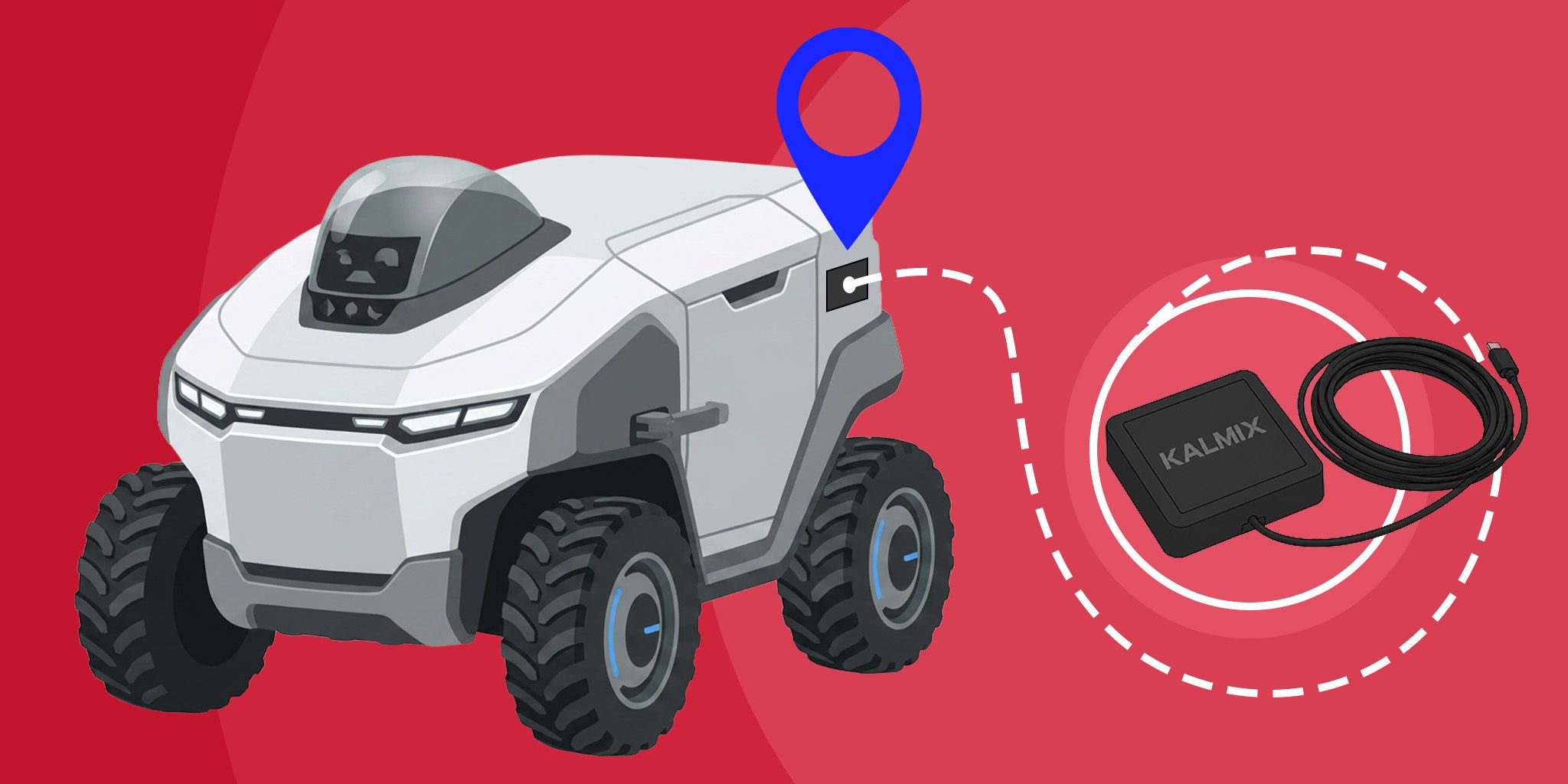
RTK Positioning for Robotics and Field Machines
High-precision positioning. Achieve centimeter-level accuracy without the complexity of building custom hardware from scratch.
High-precision positioning. Achieve centimeter-level accuracy without the complexity of building custom hardware from scratch.
Kalmix
Kalmix

Remote Propane Tank Monitoring
Retrofit LoRaWAN® sensor to provide accurate, real-time fuel level readings from R3D-compatible gauges.
Retrofit LoRaWAN® sensor to provide accurate, real-time fuel level readings from R3D-compatible gauges.
EAMS Technologies
EAMS Technologies

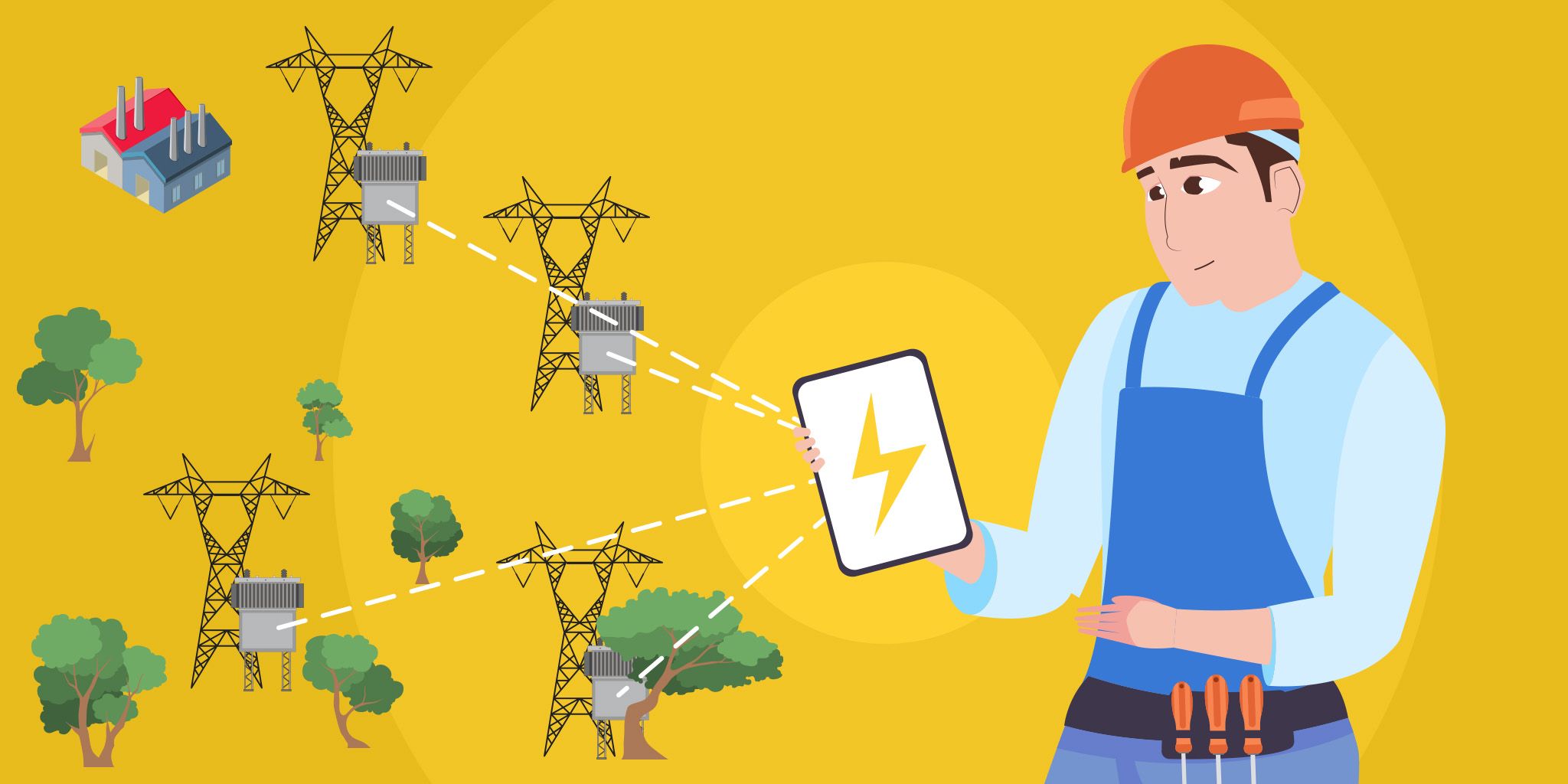
Condition Monitoring and Analytics for Industrial Systems
Monitor, maintain, and automate distributed industrial systems using customizable edge-to-cloud intelligence.
Monitor, maintain, and automate distributed industrial systems using customizable edge-to-cloud intelligence.
Pratexo
Pratexo

Related Solutions
Industrial
RTK Positioning for Robotics and Field Machines
High-precision positioning. Achieve centimeter-level accuracy without the complexity of building custom hardware from scratch.
Kalmix
Industrial
Remote Propane Tank Monitoring
Retrofit LoRaWAN® sensor to provide accurate, real-time fuel level readings from R3D-compatible gauges.
EAMS Technologies
Industrial
Condition Monitoring and Analytics for Industrial Systems
Monitor, maintain, and automate distributed industrial systems using customizable edge-to-cloud intelligence.
Pratexo