



Why Industrial IoT Projects Fail Before They Even Reach the Cloud
Why Industrial IoT Projects Fail Before They Even Reach the Cloud

- Last Updated: July 7, 2026
Wavetel IoT
- Last Updated: July 7, 2026

Industrial IoT has moved beyond the pilot stage.
Manufacturers, utilities, transportation operators, and energy companies are investing heavily in connected assets, predictive maintenance, remote monitoring, and AI-powered analytics. The promise is compelling: better visibility, lower operational costs, and smarter decision-making.
Yet many Industrial IoT projects struggle long before they can generate meaningful business value.
The reason is surprisingly simple. Most failures occur before data ever reaches the cloud.
The Hidden Weakness in Industrial IoT Architectures
When organizations discuss Industrial IoT, the conversation often focuses on cloud platforms, AI algorithms, dashboards, and data lakes.
However, these technologies all depend on one critical requirement: reliable data collection and transmission from the edge. If field devices cannot consistently deliver data, every downstream system becomes less effective.
In industrial environments, connectivity challenges are far more complex than in office or consumer settings. Industrial assets are often deployed in:
- Remote facilities
- Outdoor environments
- Construction sites
- Utility substations
- Transportation fleets
- Temporary operational locations
These environments frequently experience unstable network conditions, power fluctuations, harsh weather, and physical interference. As a result, connectivity becomes the weakest link in the entire IIoT architecture.
Why Edge Reliability Matters More Than Ever
Edge computing is becoming increasingly important in Industrial IoT because not every decision can wait for cloud processing.
Production lines, monitoring systems, and critical infrastructure often require real-time responses. When connectivity is interrupted, industrial operations must continue.
This has led many organizations to adopt an edge-first architecture in which critical processing occurs locally, while cloud systems handle long-term analytics and management.
Industry practitioners consistently report that systems designed for disconnected operation perform significantly better in real-world industrial environments than cloud-dependent architectures. Reliable local processing and intelligent data synchronization have become essential design principles for modern IIoT deployments.
The Role of Industrial Cellular Routers
Industrial cellular routers serve as the bridge between field assets and enterprise systems.
Unlike consumer networking devices, industrial-grade routers are designed for:
- 24/7 operation
- Wide temperature environments
- Multi-network failover
- VPN security
- Remote device management
- Long deployment lifecycles
Modern industrial routers can combine 4G LTE, 5G, Ethernet, Wi-Fi, and VPN technologies into a single connectivity platform. This enables organizations to maintain communication even when primary network paths become unavailable.
In many deployments, the industrial router effectively serves as the edge node that supports data acquisition, secure communication, and local processing.
Building Connectivity-First IoT Architectures
Successful Industrial IoT deployments increasingly follow a connectivity-first approach.
Rather than starting with dashboards and cloud applications, organizations first ensure that:
- Data can be collected reliably.
- Network connectivity remains available under adverse conditions.
- Edge devices can operate during outages.
- Security is implemented from the edge to the cloud.
- Remote management capabilities are available throughout the device lifecycle.
Only after these foundations are established can advanced analytics and AI applications deliver consistent value.
Looking Ahead
As Industrial IoT continues to expand, edge infrastructure will become even more important. AI applications, predictive maintenance systems, and real-time automation all depend on reliable data streams from the physical world.
The companies that succeed with Industrial IoT will not necessarily be those with the most sophisticated analytics platforms. They will be the organizations that first build resilient connectivity foundations.
Because in Industrial IoT, success begins long before data reaches the cloud.

The Most Comprehensive IoT Newsletter for Enterprises
Showcasing the highest-quality content, resources, news, and insights from the world of the Internet of Things. Subscribe to remain informed and up-to-date.

New Podcast Episode

Building Real-Time Voice AI Experiences

Related Articles



Related Solutions
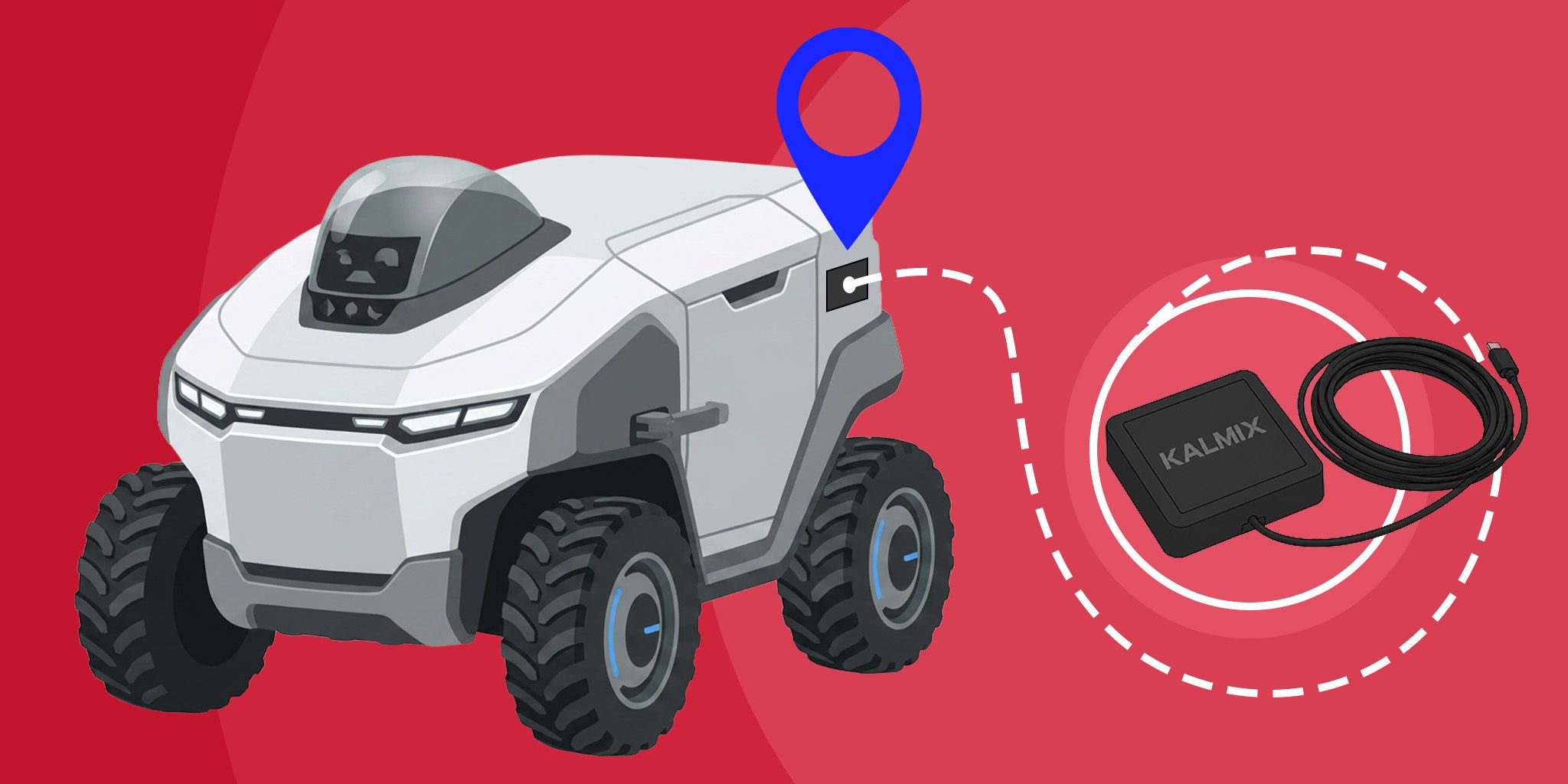
RTK Positioning for Robotics and Field Machines
High-precision positioning. Achieve centimeter-level accuracy without the complexity of building custom hardware from scratch.
High-precision positioning. Achieve centimeter-level accuracy without the complexity of building custom hardware from scratch.
Kalmix
Kalmix

Remote Propane Tank Monitoring
Retrofit LoRaWAN® sensor to provide accurate, real-time fuel level readings from R3D-compatible gauges.
Retrofit LoRaWAN® sensor to provide accurate, real-time fuel level readings from R3D-compatible gauges.
EAMS Technologies
EAMS Technologies

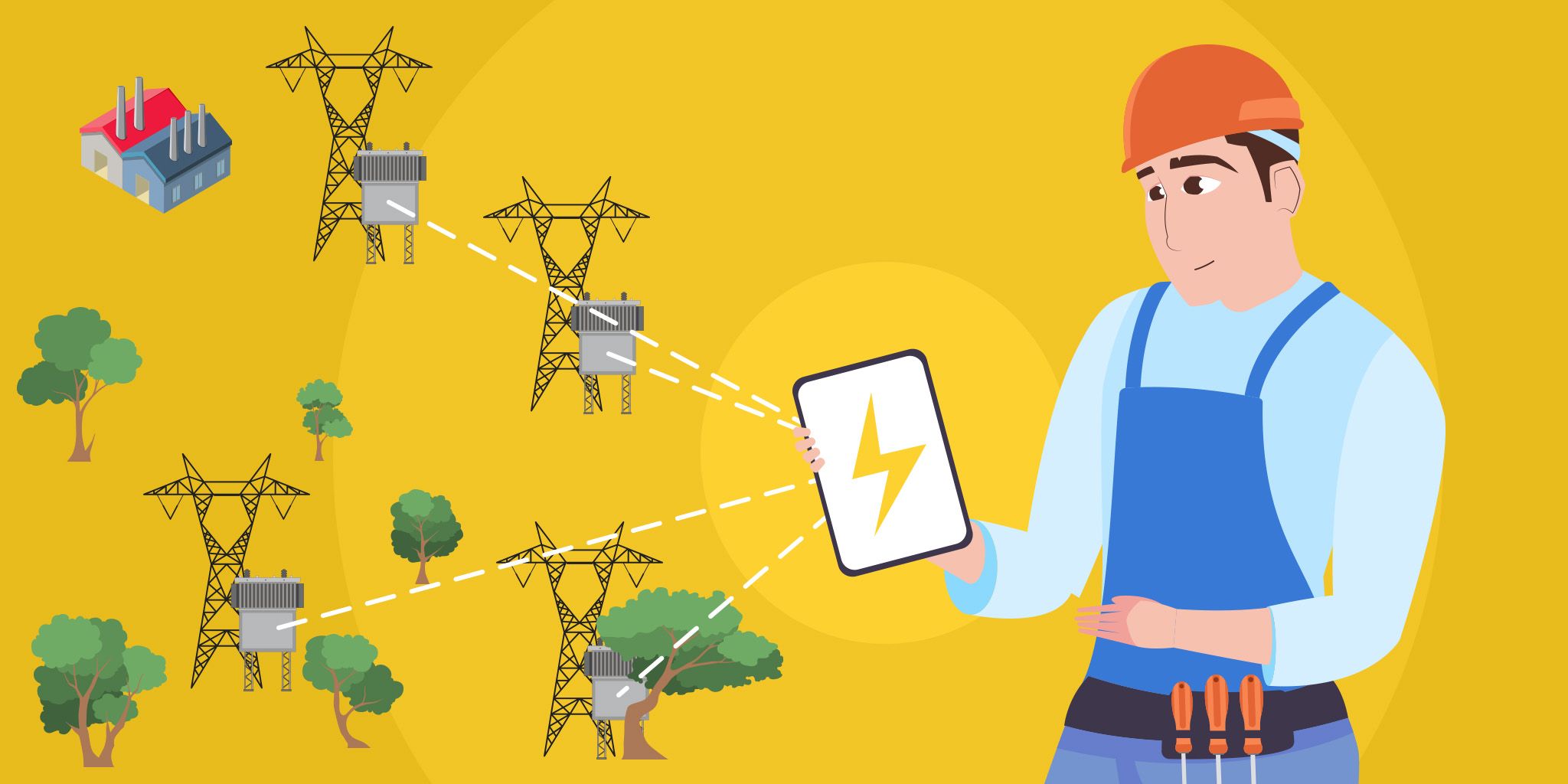
Condition Monitoring and Analytics for Industrial Systems
Monitor, maintain, and automate distributed industrial systems using customizable edge-to-cloud intelligence.
Monitor, maintain, and automate distributed industrial systems using customizable edge-to-cloud intelligence.
Pratexo
Pratexo

Related Solutions
Industrial
RTK Positioning for Robotics and Field Machines
High-precision positioning. Achieve centimeter-level accuracy without the complexity of building custom hardware from scratch.
Kalmix
Industrial
Remote Propane Tank Monitoring
Retrofit LoRaWAN® sensor to provide accurate, real-time fuel level readings from R3D-compatible gauges.
EAMS Technologies
Industrial
Condition Monitoring and Analytics for Industrial Systems
Monitor, maintain, and automate distributed industrial systems using customizable edge-to-cloud intelligence.
Pratexo