



How to Integrate AI With Industrial IoT Data While Keeping Humans in Control
How to Integrate AI With Industrial IoT Data While Keeping Humans in Control

- Last Updated: November 25, 2026
Ritesh Dave
- Last Updated: November 25, 2026
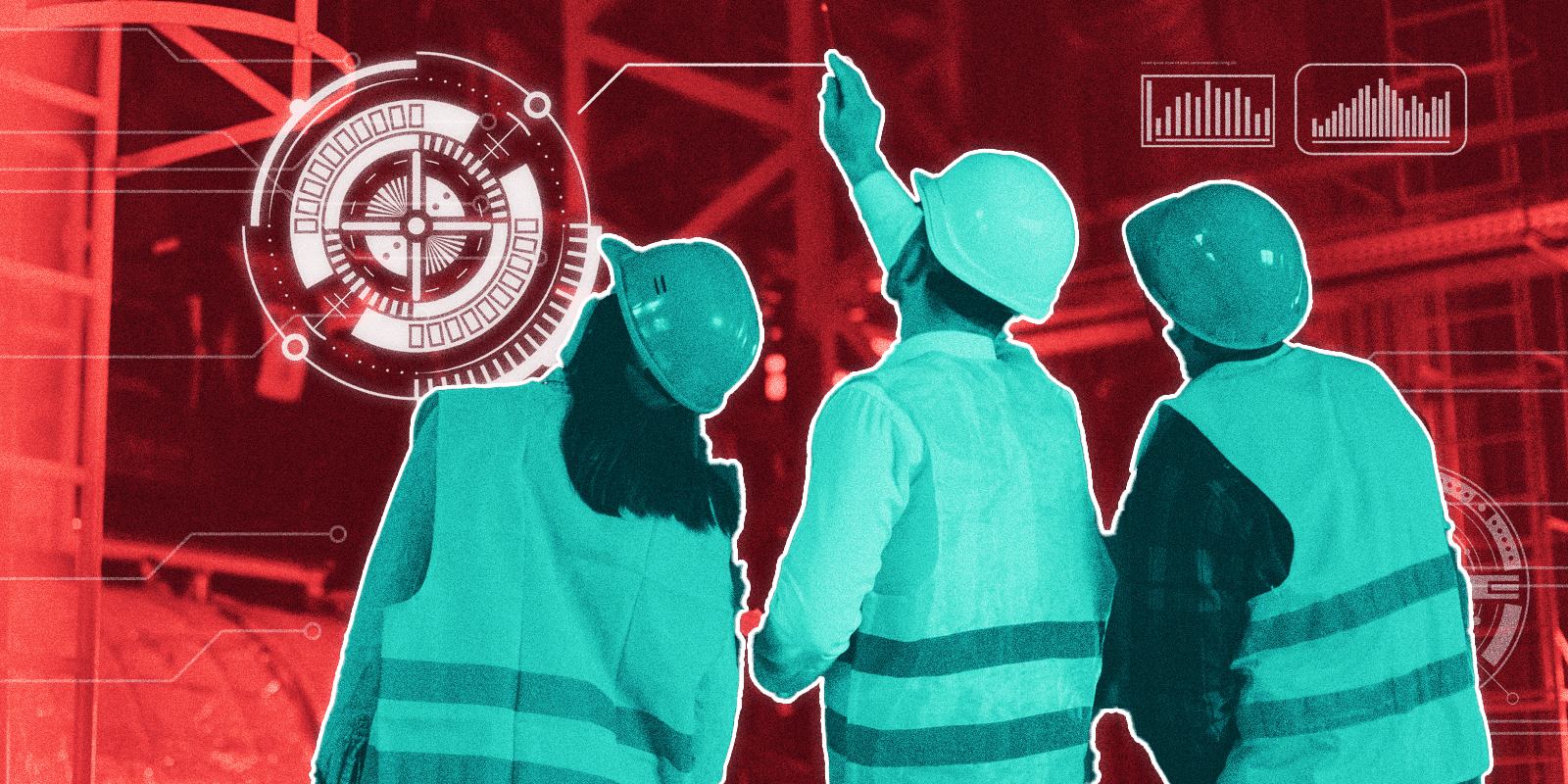
Industrial facilities generate data every day through connected sensors, machines, programmable logic controllers, and monitoring systems. This information can help teams identify equipment problems, improve product quality, and make better operational decisions.
However, collecting data is only the first step. The real challenge is turning it into useful insights without compromising safety or giving up control over critical decisions.
Artificial intelligence can help manufacturers make better use of industrial Internet of Things data. More advanced systems can also plan tasks and use approved tools to carry them out. But in an industrial environment, greater autonomy must come with clear limits, human oversight, and reliable safety controls.
The goal is not to remove operators from the process. It is to give them better information, reduce repetitive work, and help them respond to problems before they become more serious.
Why Industrial IoT Data Needs AI
Industrial IoT systems collect information about temperature, vibration, pressure, energy consumption, production speed, and other operating conditions. When this data is spread across different machines and software platforms, it can be difficult to identify meaningful patterns.
AI can analyze historical and real-time data to detect unusual behavior, estimate equipment failure risks, and highlight changes in production performance. For example, a model might identify a gradual increase in a motor's vibration levels and alert a maintenance team before the equipment fails.
The scale of connected technology makes this opportunity significant. In its report published on October 28, 2025, IoT Analytics estimated that the number of connected IoT devices would reach 21.1 billion by the end of 2025, up from 18.5 billion in 2024. These figures cover connected IoT devices globally, not just industrial devices, but they illustrate the growing volume of data connected systems can generate.
AI can help organizations extract value from that information. However, its effectiveness depends on data quality, system compatibility, and how well its recommendations fit actual operating conditions.
Where Agentic AI Fits into Industrial IoT
Traditional AI systems often analyze information, predict outcomes, or recommend an action. Agentic AI can go further by planning a sequence of tasks, using authorized tools, and adjusting its approach based on new information.
In industrial environments, agentic AI in industrial IoT can support workflows such as maintenance planning, equipment monitoring, and production coordination. Consider a machine that begins showing unusual vibration and temperature readings.
An AI agent could:
- Retrieve recent sensor readings and compare them with historical patterns.
- Check maintenance records for previous failures or repairs.
- Assess whether the readings match a known warning pattern.
- Prepare a maintenance recommendation and estimate the urgency.
- Create a draft work order for a technician to review.
These actions can reduce the time technicians spend gathering information from multiple systems. However, the agent should not automatically shut down equipment, modify control settings, or override safety mechanisms simply because its analysis indicates a potential problem.
The level of autonomy should depend on the consequences of an error. Retrieving information or preparing a report may require little intervention. Actions that affect physical equipment or production conditions need stricter authorization and safeguards.
#1: Connect Existing Systems Before Adding More Automation
Manufacturers do not necessarily need to replace their existing infrastructure to introduce AI. Many facilities already use PLCs, supervisory control and data acquisition (SCADA) systems, manufacturing execution systems (MES), and enterprise resource planning (ERP) platforms.
The first step is to understand how these systems exchange information. Identify where sensor data is collected, where operational records are stored, and which applications technicians and managers use to make decisions.
Suitable integration methods may include industrial gateways, approved APIs, message brokers, and edge computing platforms. These components can help transfer relevant information between operational technology (OT) and information technology (IT) systems without requiring every application to be rebuilt.
Data should also be standardized before it reaches an AI model. Equipment identifiers, measurement units, timestamps, and operating states must be consistent enough for the model to interpret them correctly.
For example, a temperature reading is less useful if the system cannot determine which machine produced it, whether the machine was running, or what measurement unit was used.
A gradual integration approach allows organizations to test AI against existing workflows before expanding its responsibilities.
#2: Start with Reliable Data and a Narrow Use Case
An AI system cannot make reliable decisions from incomplete, inconsistent, or misleading data. Missing sensor readings, faulty instruments, outdated maintenance records, and inconsistent timestamps can all affect its output.
Before deploying AI, teams should assess data quality and establish a baseline for the process they want to improve. This may involve checking sensor calibration, identifying missing values, and comparing automated measurements with known operating conditions.
It is also better to begin with a specific use case rather than trying to automate an entire facility.
Predictive maintenance is one possible starting point. A model can monitor vibration and temperature readings, identify deviations from normal behavior, and send alerts to maintenance staff. The team can then compare those alerts with actual equipment inspections and failures.
Other suitable starting points include detecting product defects, identifying abnormal energy consumption, and summarizing production interruptions.
Measure results against practical indicators, such as alert accuracy, false alarms, maintenance response time, and unplanned downtime. These measurements help determine whether the AI system provides enough value to justify a wider rollout.
#3: Keep Humans in the Decision Loop
Human oversight should be built into the system's design rather than added after deployment.
Operators understand factors that may not be fully represented in historical data, including unusual production schedules, temporary equipment changes, maintenance work, and local safety procedures. Their experience can help identify situations in which an AI recommendation is incomplete or inappropriate.
A useful approach is to classify actions according to their operational risk.
- Low-risk tasks: AI can usually handle approved activities such as collecting sensor readings, summarizing equipment status, and generating routine reports.
- Moderate-risk tasks: AI can recommend maintenance schedules, flag possible quality issues, or prepare work orders, with an authorized employee reviewing the proposed action.
- High-risk tasks: Changes to safety-critical settings, hazardous process conditions, or equipment shutdown procedures should remain subject to established control systems, safety interlocks, and authorized personnel. AI should not bypass these protections.
The exact boundaries depend on the equipment, process, and applicable safety requirements. Even when an action is approved for automation, teams need a defined method to stop it, override it, or return to a known safe operating state.
Clear explanations also matter. An operator should be able to see what triggered an alert, which data the system considered, how confident the model is, and why a particular action was recommended.
#4: Separate AI Recommendations from Machine Control
One of the most important architectural decisions is determining which systems are allowed to control physical equipment.
AI applications can analyze operational data and send recommendations through approved interfaces. Existing control systems can then enforce operating limits and execute commands according to established logic and safety requirements.
For example, an AI agent might recommend reducing a machine's operating speed because sensor readings suggest an increased risk of overheating. Instead of allowing the agent to change the speed directly, the system can present the recommendation to an operator or submit it to a separately authorized control process.
If automation is appropriate for a particular action, the command should pass through validated controls that check permitted values, operating conditions, and authorization. Safety functions must remain independent of an AI model wherever the applicable safety architecture requires that separation.
This approach lets organizations benefit from AI analysis while preserving predictable behavior in their industrial control environments.
#5: Protect Industrial Data and Connected Systems
Connecting AI applications to operational technology introduces security considerations. A compromised account, exposed interface, or unauthorized command could affect more than business data if it creates a path into industrial systems.
The National Institute of Standards and Technology (NIST) addresses these risks in Guide to Operational Technology (OT) Security, SP 800-82 Rev. 3, published on September 28, 2023. The guide emphasizes the need to protect OT systems while accounting for their distinctive reliability, performance, and safety requirements.
Practical safeguards include:
- Network segmentation: Restrict communication between business applications, AI services, and industrial control networks.
- Least-privilege access: Give each AI service only the permissions it needs.
- Command validation: Check proposed actions against predefined limits and authorization rules.
- Audit logs: Record data access, recommendations, approvals, commands, and system responses.
- Human override: Maintain a documented way for authorized staff to stop or restrict automated workflows.
- Monitoring and recovery: Watch for unusual behavior and test procedures for restoring normal operations.
Organizations should also control which external services can receive industrial data. Sensitive production information should not be sent to third-party AI platforms without appropriate security, privacy, and contractual safeguards.
#6: Monitor AI Performance After Deployment
An AI model that performs well during testing may become less reliable when equipment, materials, workloads, or operating conditions change. This is especially important in industrial environments, where production conditions can vary significantly.
Teams should monitor model performance alongside normal operational indicators. Relevant measures include false-positive rates, missed alerts, prediction accuracy, response times, and the number of recommendations that operators accept or reject.
Changes in these indicators may signal that the model needs investigation, recalibration, or retraining. Operators should also have a clear way to report incorrect recommendations and provide feedback.
The NIST AI Risk Management Framework, AI RMF 1.0, published on January 26, 2023, guides identifying and managing AI risks throughout the system lifecycle. Its principles can help industrial teams establish processes for evaluating, monitoring, and improving AI systems.
Regular reviews should involve operations, maintenance, engineering, IT, cybersecurity, and safety personnel. This ensures that technical performance does not become the only measure of success.
A Practical Roadmap for Adoption
Manufacturers can introduce AI in stages, allowing each phase to demonstrate value before the next one begins.
- Observe. Connect approved data sources and use AI to summarize conditions or detect anomalies without changing machine behavior.
- Recommend. Introduce predictive maintenance alerts, quality insights, and suggested actions that operators can review.
- Automate bounded tasks. Allow AI agents to perform specific, reversible, low-risk activities within defined permissions, such as preparing work orders or updating approved records.
- Expand carefully. Consider more advanced workflows only after testing, risk assessment, security reviews, and operator training. Any expansion into physical control requires additional engineering and safety validation.
At every stage, define who is accountable, what the AI system can access, which actions require approval, and how the facility will respond if the system behaves unexpectedly.
Integration Process
Integrating AI with Industrial IoT data is not simply a matter of connecting sensors to a model. It requires reliable data, compatibility with existing systems, strong cybersecurity, and clear boundaries around automated actions.
Agentic AI can help industrial teams investigate problems, coordinate routine workflows, and make better use of operational information. Its value, however, depends on giving it the right responsibilities rather than unrestricted authority.
By starting with focused use cases, separating AI recommendations from safety-critical machine control, and keeping qualified people involved in consequential decisions, manufacturers can adopt AI at a pace that fits their operational needs.
The aim is straightforward: let AI handle more of the analysis and routine coordination, while people retain the authority and information they need to keep industrial operations safe, reliable, and accountable.

The Most Comprehensive IoT Newsletter for Enterprises
Showcasing the highest-quality content, resources, news, and insights from the world of the Internet of Things. Subscribe to remain informed and up-to-date.

New Podcast Episode

The State of LoRaWAN in 2026

Related Articles
How to Integrate AI With Industrial IoT Data While Keeping Humans in Control
November 25, 2026
Engineering a Smart Ring: Balancing Sensor Performance, Battery Life, and Form Factor
November 9, 2026

Why Do Industrial IoT and AI Projects Stall After the Dashboard? (And How to Get Them Moving)
November 4, 2026

Related Solutions
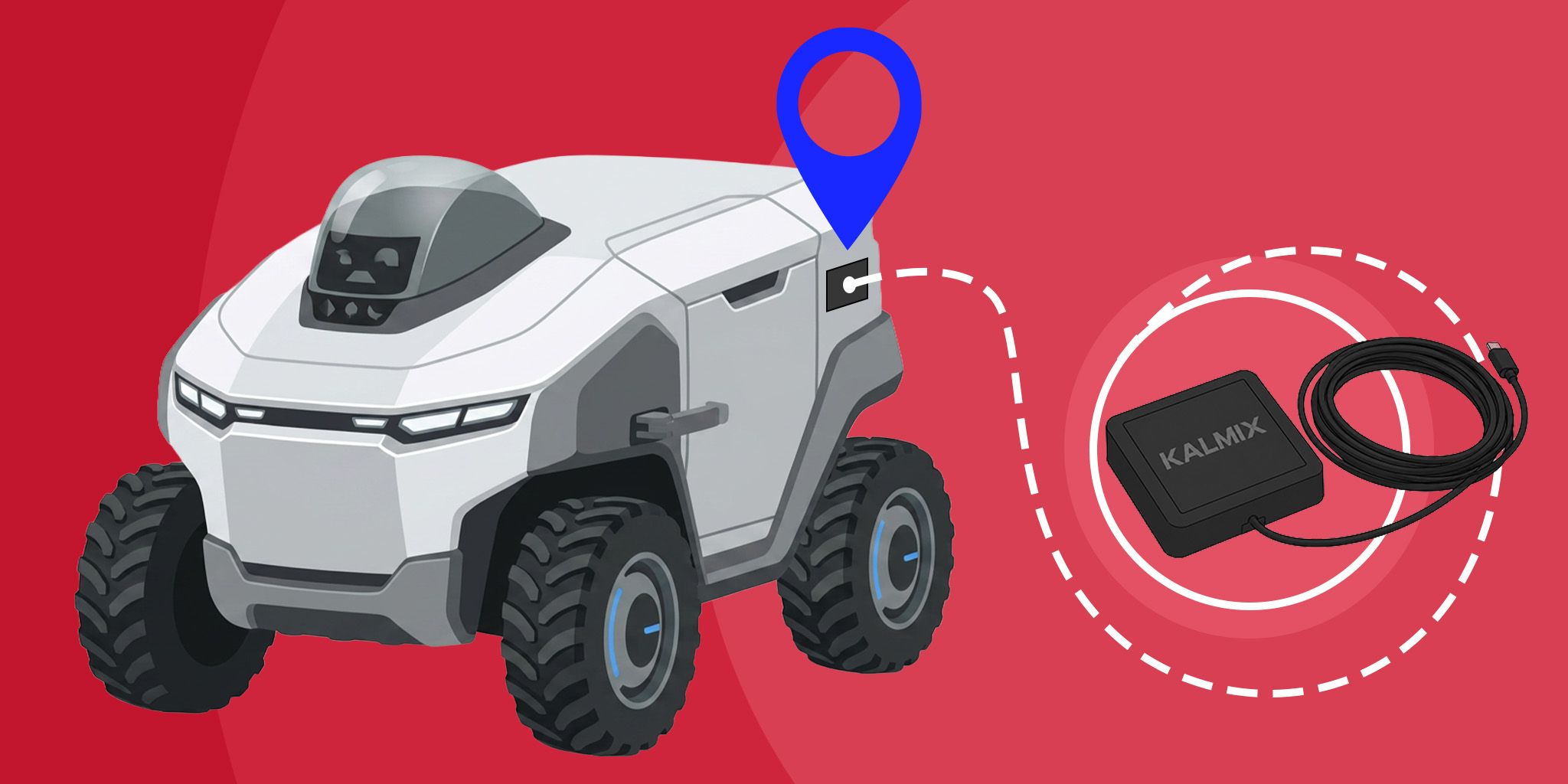
RTK Positioning for Robotics and Field Machines
High-precision positioning. Achieve centimeter-level accuracy without the complexity of building custom hardware from scratch.
High-precision positioning. Achieve centimeter-level accuracy without the complexity of building custom hardware from scratch.
Kalmix
Kalmix
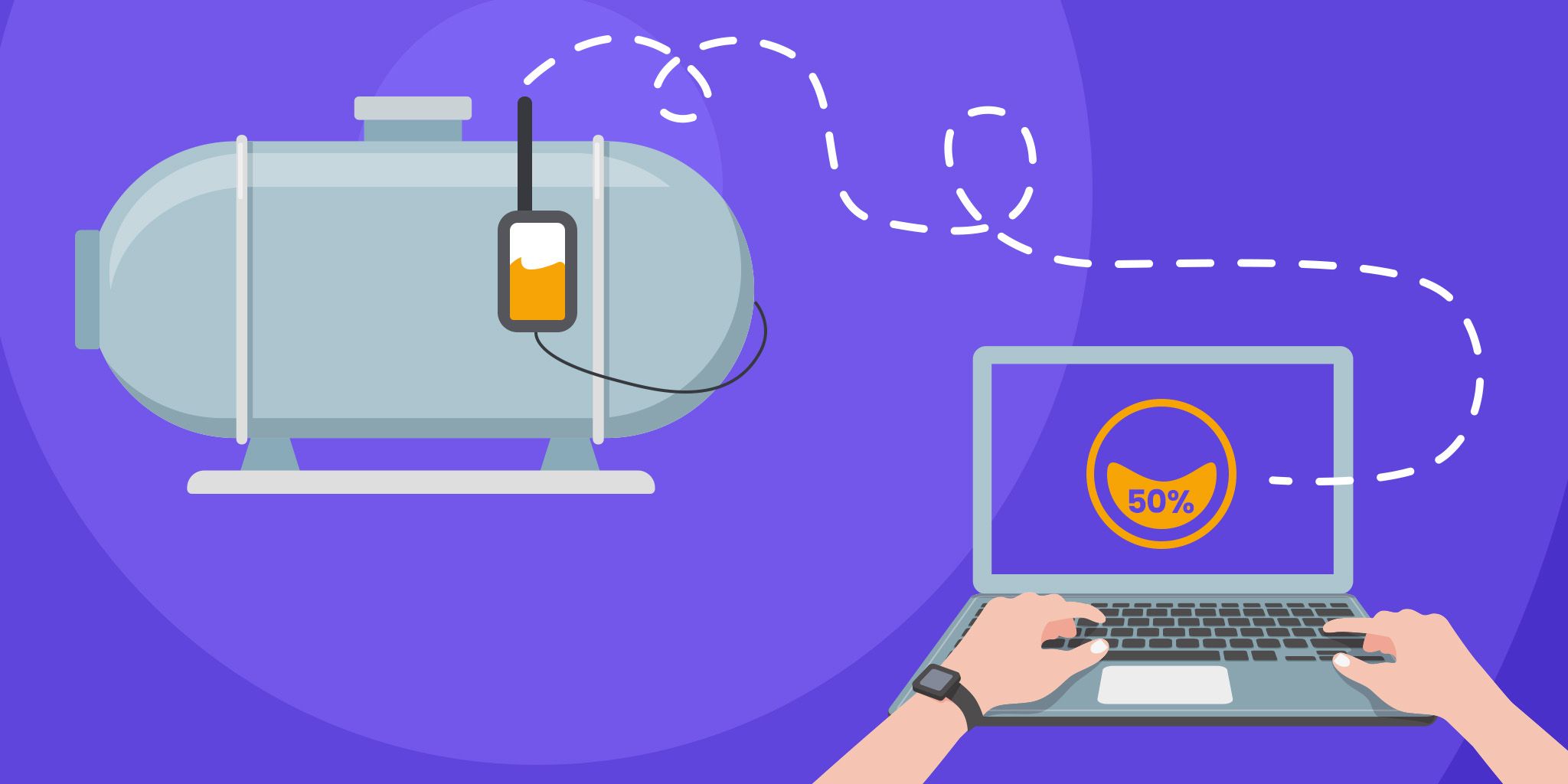
Remote Propane Tank Monitoring
Retrofit LoRaWAN® sensor to provide accurate, real-time fuel level readings from R3D-compatible gauges.
Retrofit LoRaWAN® sensor to provide accurate, real-time fuel level readings from R3D-compatible gauges.
EAMS Technologies
EAMS Technologies

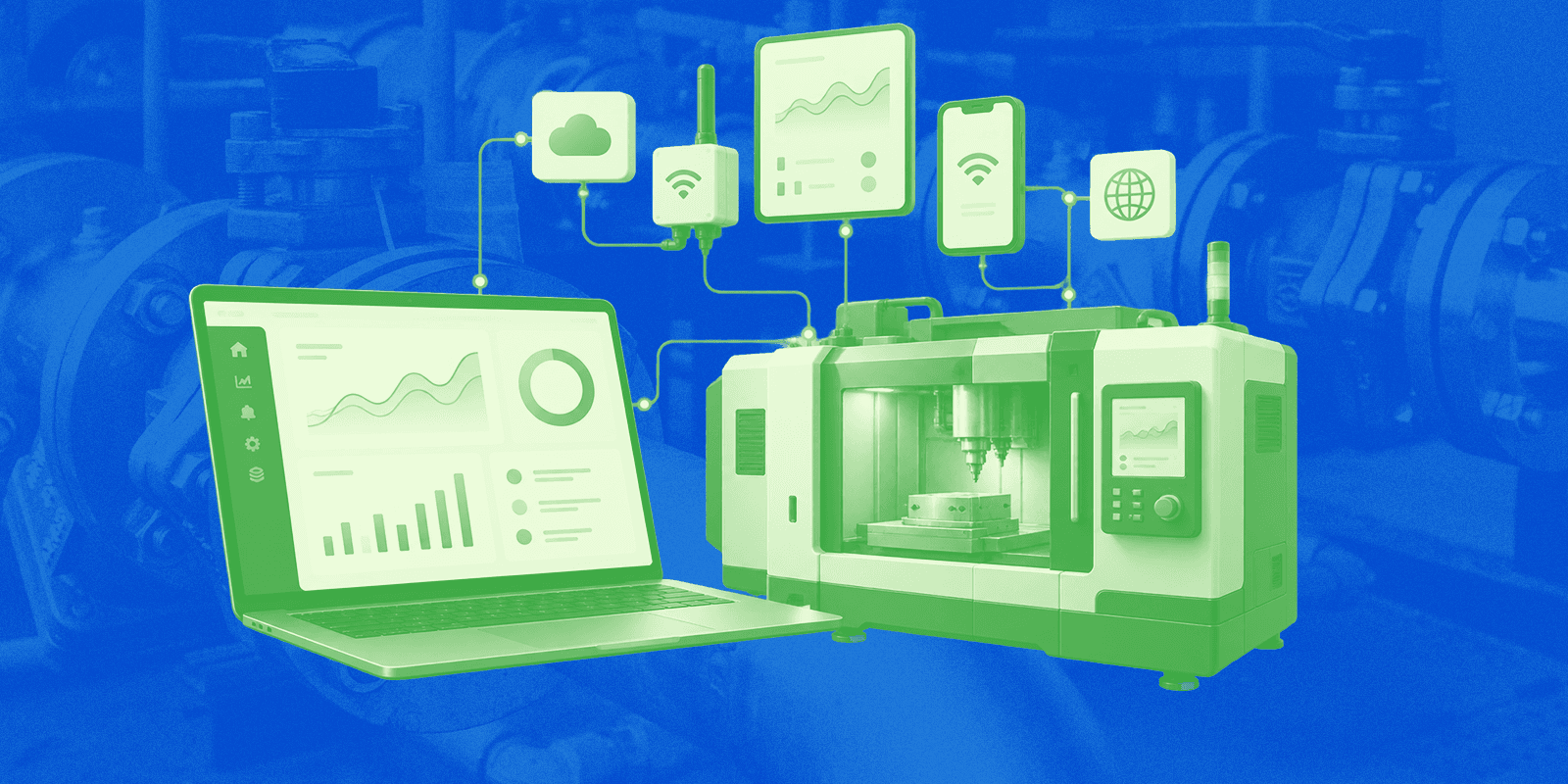
Condition Monitoring and Analytics for Industrial Systems
Monitor, maintain, and automate distributed industrial systems using customizable edge-to-cloud intelligence.
Monitor, maintain, and automate distributed industrial systems using customizable edge-to-cloud intelligence.
Pratexo
Pratexo

Related Solutions
Industrial
RTK Positioning for Robotics and Field Machines
High-precision positioning. Achieve centimeter-level accuracy without the complexity of building custom hardware from scratch.
Kalmix
Industrial
Remote Propane Tank Monitoring
Retrofit LoRaWAN® sensor to provide accurate, real-time fuel level readings from R3D-compatible gauges.
EAMS Technologies
Industrial
Condition Monitoring and Analytics for Industrial Systems
Monitor, maintain, and automate distributed industrial systems using customizable edge-to-cloud intelligence.
Pratexo