


How IoT and AI Are Transforming Energy Management
How IoT and AI Are Transforming Energy Management
- Last Updated: February 18, 2026
Prioxis Technologies
- Last Updated: February 18, 2026
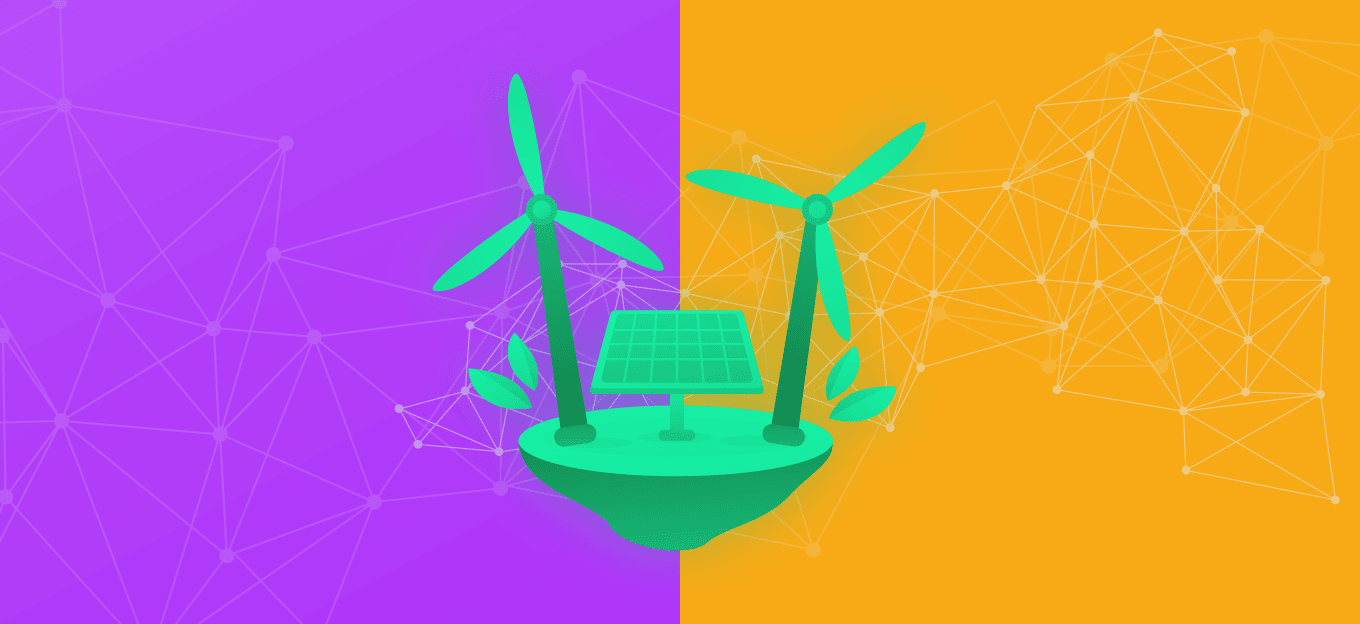
Experts expect worldwide energy use to grow by 40% in the next 25 years. This means we need smarter energy solutions now more than ever.
Fortunately, significant transformations are underway in energy management. Smart light bulbs and fully automated offshore oil rigs show how IoT affects the energy sector.
More businesses are looking into IoT use cases in energy management. This is mainly due to the rising need for process automation and greater efficiency.
So, how has IoT impacted the energy industry? What are the potential use cases for smart energy solutions? We will try to answer these questions below.
First, let’s discuss how IoT works in the energy industry.
IoT In Energy Management: How It Works?
IoT in energy management uses connected devices to track and control energy use. These systems include smart meters, sensors, and automation tools. They also have back-end IT platforms that collect and analyze data in real time. This helps make energy use efficient, personalized, and goal-oriented.
Some of the key features of IoT in energy management include the following:
- Real-time Monitoring: Smart meters and sensors gather data on energy use right away. This helps users see their usage and improve it.
- Automation: IoT devices turn appliances on and off based on how users use them. This helps reduce energy waste.
- Predictive Maintenance: Sensors can sense when equipment is about to fail. This helps with maintenance and prevents energy waste.
- Demand Response Systems: These tools help utility companies adjust power supply based on real-time demand. This reduces energy shortages and excess generation.
Essential IoT Application Use Cases in Energy Management
1. Smart Metering Systems
One common use of IoT in energy management is smart metering. Traditional meters need manual readings. This makes it hard for consumers and energy providers to track usage in real time. Smart meters fix this issue by giving instant insights into electricity use.
For example, these meters can track how much energy each device uses. They can alert users if something is using too much power. This helps homeowners find the cause or change their habits to lower their electricity bills. Utility providers also benefit from studying usage patterns to better manage energy distribution.
2. Smart HVAC Systems
Heating, ventilation, and air conditioning (HVAC) systems consume a significant amount of energy in homes and businesses. Smart HVAC systems, powered by IoT, help save energy. They adjust the temperature settings based on how many people are present and the weather outside.
For example, sensors can tell when a room is empty. They can then turn off the air conditioning or heating. This helps reduce energy waste. Some systems let you control them with mobile apps. This means you can turn them on or off from anywhere.
3. Predictive Maintenance and Energy Optimization
Equipment failures and inefficiencies can lead to increased energy use. IoT sensors can predict when technicians need to perform maintenance. They do this by finding irregularities in how equipment works and in energy use patterns.
In industrial settings, machines with IoT sensors can send alerts when energy use goes up. This shows there may be a problem. This allows businesses to fix problems before they escalate, thereby reducing downtime and saving energy.
4. Smart Lighting Systems
IoT has changed lighting solutions with Smart Lighting systems. These systems change brightness based on people in the room and natural light. In this way, people only use lights when needed.
5. Renewable Energy Integration
IoT helps connect renewable energy sources like solar and wind energy management systems to current energy systems. Smart grids use IoT to track energy production and demand. This ensures that we distribute energy efficiently.
For example, IoT devices can monitor solar panel output and adjust the energy mix in real-time. If solar energy production is high during the day, smart systems can use more of it. This helps reduce the need for non-renewable energy sources.
The Role of AI in Energy Management
In 2026, Artificial Intelligence (AI) has advanced from pilot programs. It now serves as a key part of energy systems. This change leads to significant improvements in efficiency, grid stability, and the use of renewable energy. Some of the key features of AI in energy management include:
- Predictive Maintenance: AI models look at real-time data from wind turbines, solar panels, and transformers. They predict failures before they happen. It has also increased the life of these assets by 15%.
- Smart Grid Orchestration: AI-driven digital twins of electrical grids help simulate and improve power flow in complex networks. These systems can cut outage times by 30-50% by finding and locating faults on their own.
- Advanced Energy Forecasting: AI uses weather patterns, past usage, and current production data to predict renewable energy generation. This has improved forecasting accuracy by up to 30%. It helps integrate sources like solar and wind more smoothly.
- Intelligent Building Management (AI-EMS): Modern AI systems can predict energy use. They achieve over 95% accuracy in smart homes and businesses. They adjust HVAC and lighting based on how many people are present and the weather. This can save up to 25-30% on electricity.
Advantages of IoT in Energy Management
Assessing production and consumption data is just the initial step towards achieving energy efficiency. Another aspect involves utilizing IoT-driven energy management systems. Let's explore the benefits of employing IoT for energy management.
Lower Energy Expenses
The biggest benefit of IoT in energy management is lowering energy costs. This is why businesses and governments are focusing more on the Internet of Things. IoT provides data insights, real-time monitoring, and smart measuring to help reduce energy expenses.
Reduce Carbon Footprint
Sustainability is not just a trend; it’s a new reality. In this reality, businesses work to reduce their emissions. Implementing Internet of Things energy efficiency systems can help. These systems allow companies to analyze their environmental impact and use resources better.
Ensure Regulatory Compliance
IoT energy management solutions use analytical tools. This helps businesses follow energy sector regulations. As a result, managing certifications becomes easier.
Back Renewable Energy Projects
Emphasizing sustainability and environmental care, renewable energy represents the future direction of the power sector. That’s why many companies are using this type of energy. It helps create a good plan for saving energy and using renewable energy sources.
Improve Asset Upkeep
The Internet of Things (IoT) is not just for energy management. These technologies help in tracking the status of equipment, sensors, and other devices connected to the IoT network. This enables companies to identify which equipment requires maintenance or substitution.
Challenges for IoT in the Energy Sector and How to Overcome Them
Smart energy solutions offer many benefits but also have downsides. Here are some issues to think about when using IoT technologies in the energy industry.
- Security: This is a common threat for all IoT solutions. Attackers can use the APIs that link your devices for targeted attacks.
- Connectivity: Your system should always be on. It needs to have a short delay for data processing and feedback.
- Integration: Challenges can come up when connecting your new IoT network to old systems. These legacy systems often use outdated technologies. To solve this, you should first modernize the current infrastructure.
Conclusion
AI and IoT are not just future ideas; they are changing energy management in utilities around the world. These technologies create a smarter and stronger energy system. They help with predictive maintenance and load balancing. They also improve how consumers interact and support renewable energy integration.
Utilities are investing in digital transformation. Those using AI and IoT will lower costs. They will also become leaders in the sustainable energy movement.

The Most Comprehensive IoT Newsletter for Enterprises
Showcasing the highest-quality content, resources, news, and insights from the world of the Internet of Things. Subscribe to remain informed and up-to-date.

New Podcast Episode

Building Real-Time Voice AI Experiences

Related Articles

Related Solutions
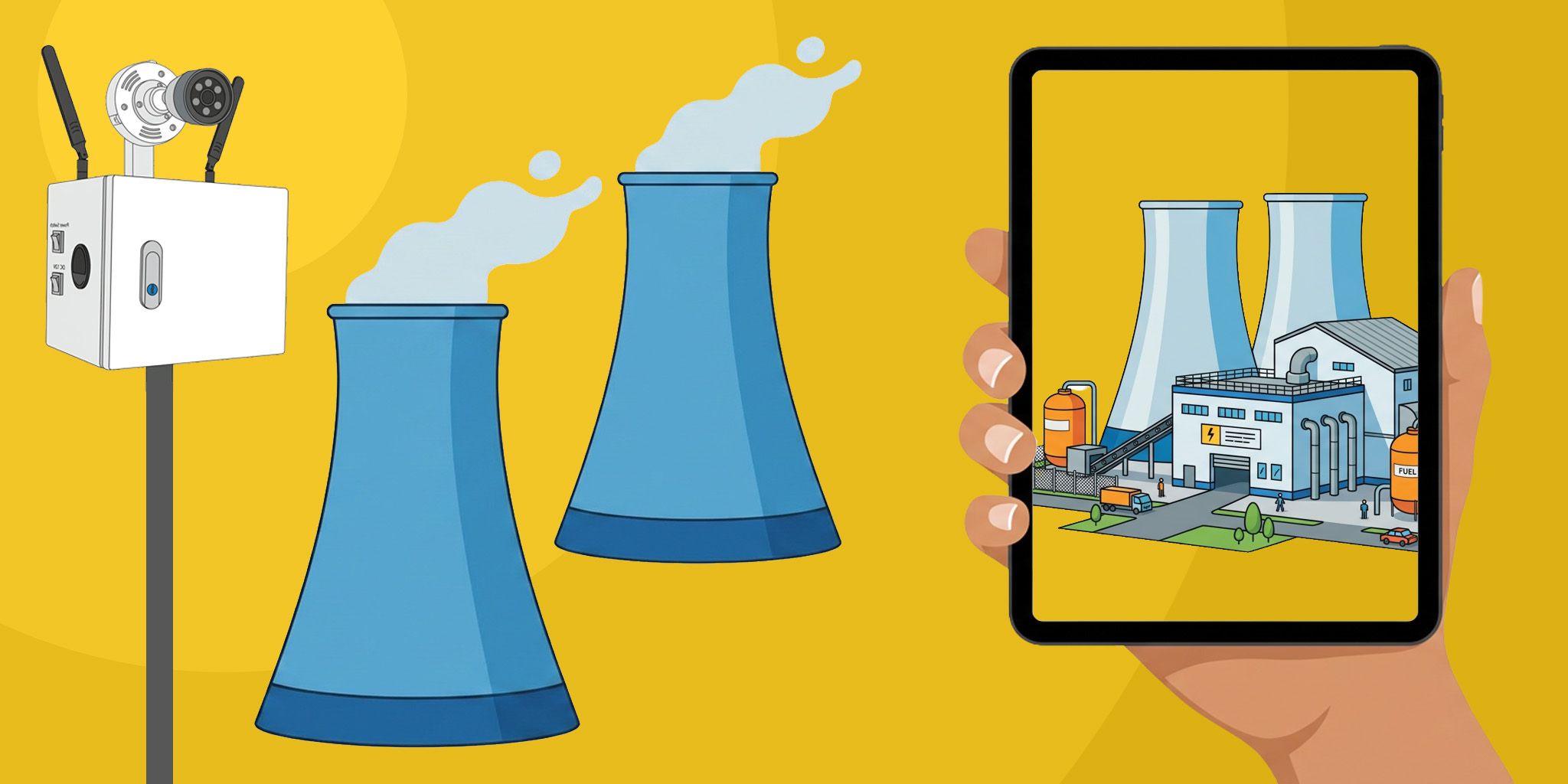
Power Plant Safety for Operators
Deploy instant, AI-powered monitoring across power generation facilities with a portable, plug-and-play solution.
Deploy instant, AI-powered monitoring across power generation facilities with a portable, plug-and-play solution.
Iveda
Iveda
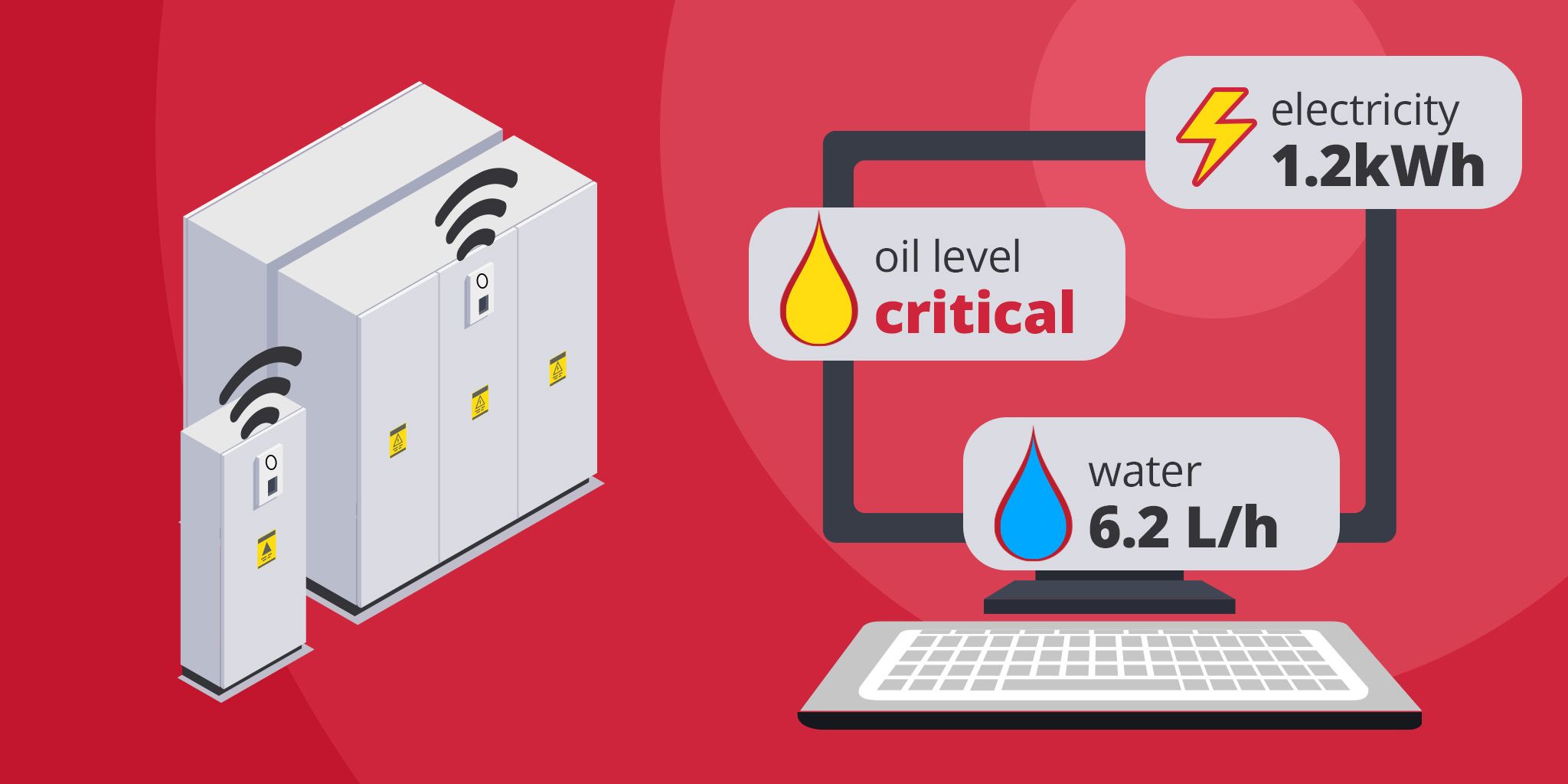
Energy Metering for Utilities
Unified metering for electricity, water, oil, and gas to reduce costs, improve efficiency, and support ESG reporting.
Unified metering for electricity, water, oil, and gas to reduce costs, improve efficiency, and support ESG reporting.
akenza
akenza

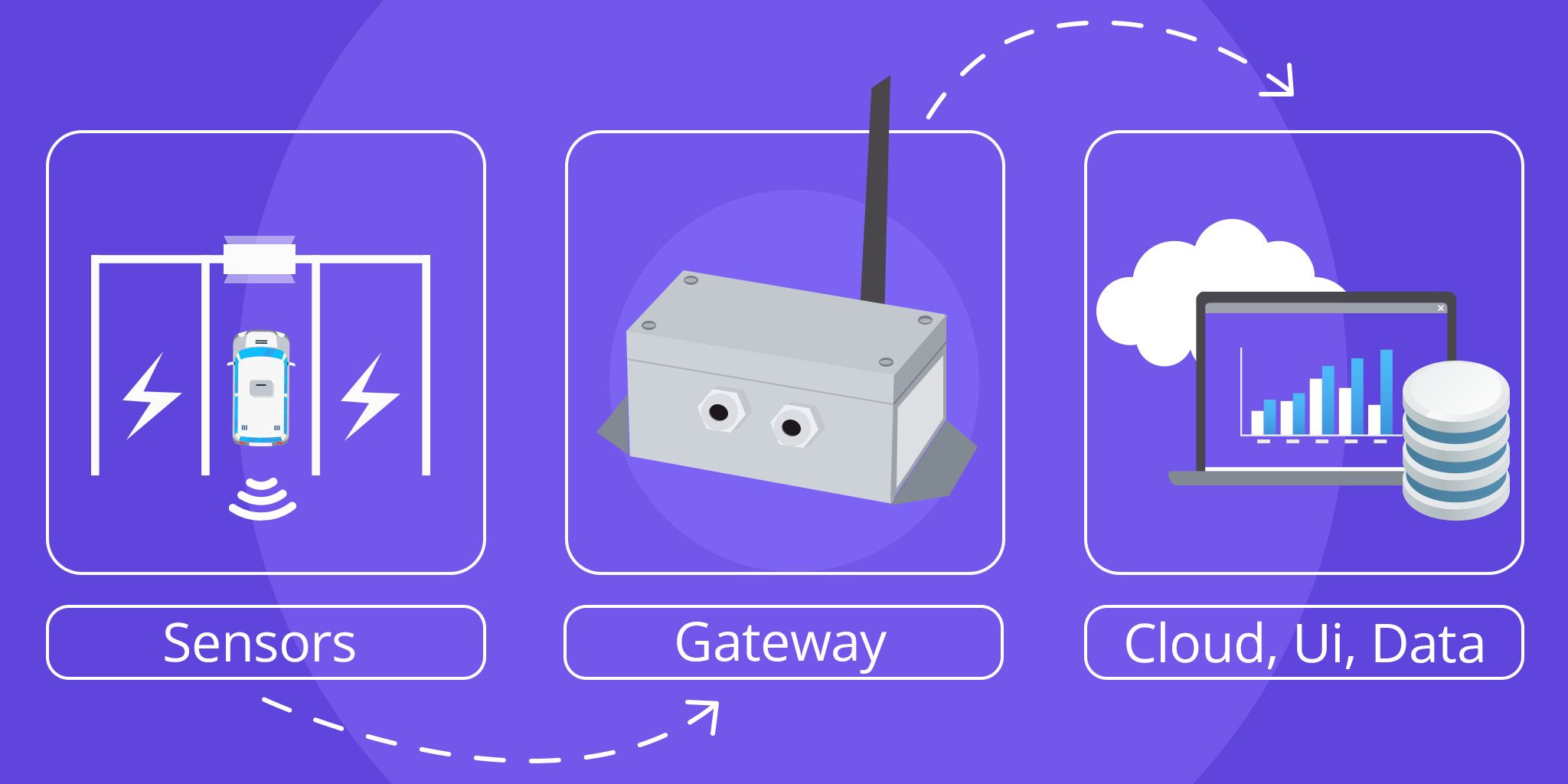
Smart EV Charging Station Management
Monitor and optimize EV charging stations in real time to ensure reliability, efficiency, and seamless driver access.
Monitor and optimize EV charging stations in real time to ensure reliability, efficiency, and seamless driver access.
Prylada
Prylada

Related Solutions
Utilities
Power Plant Safety for Operators
Deploy instant, AI-powered monitoring across power generation facilities with a portable, plug-and-play solution.
Iveda
Utilities
Energy Metering for Utilities
Unified metering for electricity, water, oil, and gas to reduce costs, improve efficiency, and support ESG reporting.
akenza
Smart Cities
Smart EV Charging Station Management
Monitor and optimize EV charging stations in real time to ensure reliability, efficiency, and seamless driver access.
Prylada