



Moisture in Construction: Insights, Risks, and Proactive Management
Moisture in Construction: Insights, Risks, and Proactive Management

- Last Updated: February 18, 2026
Tector
- Last Updated: February 18, 2026
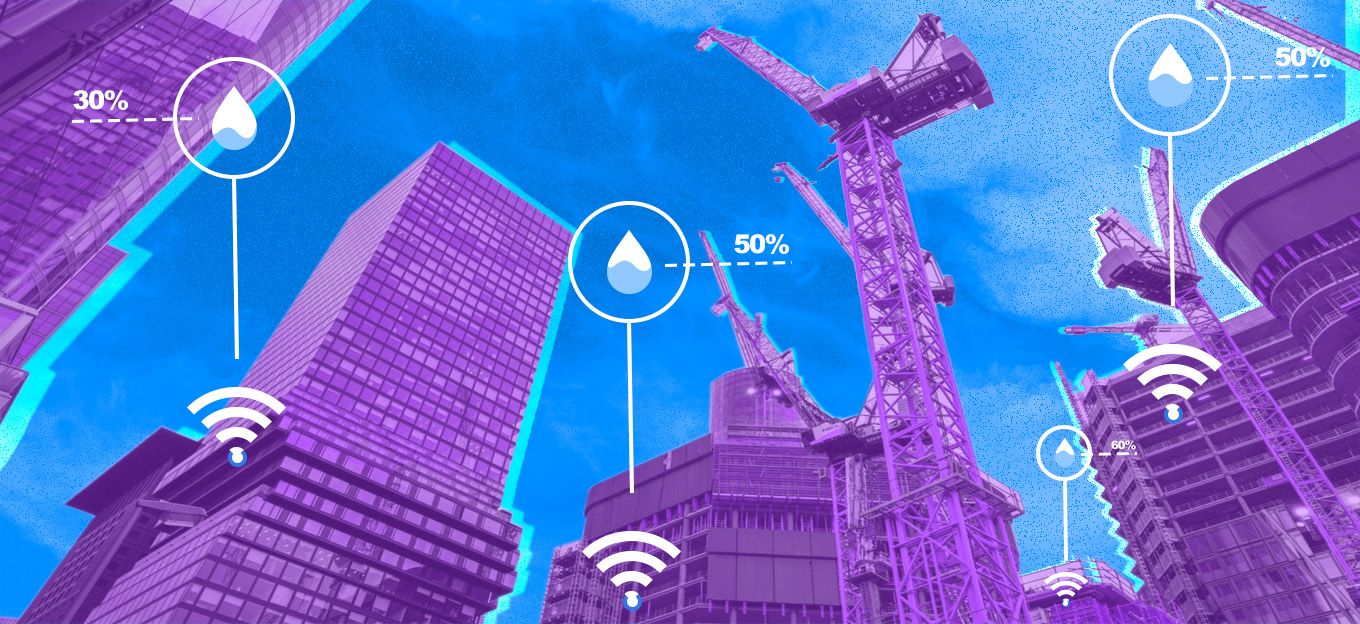
Moisture remains one of the construction industry’s most persistent blind spots. Rarely visible, frequently underestimated, and yet consistently linked to costly failures, moisture is no longer a technical footnote; it is a strategic risk. As projects become more complex and performance expectations rise, relying on assumptions or intermittent checks is no longer enough. Understanding moisture requires visibility, evidence, and continuous insight.
At Tector, we analyzed anonymized moisture data from over 220 projects across 22 countries in 2025, capturing more than 10.6 million readings. This represents one of the largest real-world moisture datasets in construction today. Combined with expert insights and current regulatory frameworks, our findings offer a clear view of where moisture risks emerge, how they behave seasonally, and why they are often overlooked.
Seasonal Trends in Moisture
Moisture alerts in 2025 displayed a consistent seasonal pattern, with peaks in early spring and late autumn. March recorded the highest number of alerts, reflecting residual winter moisture and early-stage construction activity.
Late autumn peaks in October and November coincided with rainfall, condensation risks, and temperature fluctuations. Proactive monitoring during these periods is critical to prevent structural damage and costly rework.
Moisture Alerts by Building Element
Our data shows that external walls consistently generate the highest number of alerts, followed closely by roofs. Load-bearing beams, columns, and slabs also experience significant spikes at critical stages.
Interior walls remain a lower risk but still require monitoring to detect hidden moisture or mold. These findings underline the need for two-layer protection — technical measures, like membranes and sequencing, combined with digital monitoring using sensors and AI-powered alerts.
Regional Differences and High-Risk Zones
Moisture levels vary significantly by region. Nordic countries, New Zealand, and Slovenia reported the highest readings due to wet climates and shorter drying periods. Countries with large datasets, like Denmark and the UK, provide a reliable overview of national trends, supporting more informed planning.
High-risk elements in these regions demand dual protection to reduce rework, protect building performance, and strengthen insurance positioning.
Financial and Structural Implications
Insurance underwriters consistently cite moisture as the primary driver of claims, particularly for timber buildings. Premiums for wood-frame projects can be 36–80 percent higher than concrete, reflecting the high cost of structural failure, mold, and remediation. Moisture impacts structural integrity through dimensional movement, connector failure, and decay, highlighting why early detection is no longer optional — it is essential for financial and operational risk management.
Legal and Regulatory Considerations
Moisture failures carry legal liability. In the UK, the Building Safety Act 2022 and Awaab’s Law extend claims windows and impose strict obligations for remediation. Denmark, the EU, New Zealand, the US, Canada, and Australia all provide guidance or enforceable standards addressing moisture control. Monitoring not only ensures compliance but also provides verifiable evidence of due diligence, supporting insurance and contractual requirements.
Key Takeaways for Construction Teams
- Moisture is hidden but controllable. Understanding high-risk elements, seasons, and regions enables early action.
- Insurance exposure drives urgency. A single incident can lead to catastrophic loss in timber projects.
- Legal liability exists now. Teams must act to prevent harm, not wait for new standards.
- Guidance is fragmented. Teams must leverage local codes, frameworks, and monitoring to reduce avoidable risk.
- Digital monitoring is essential. AI-powered alerts provide evidence-based insights, prevent rework, and protect long-term building performance.
Not a Minor Detail
Moisture is no longer a minor detail. By combining real-time monitoring, expert insight, and proactive planning, project teams can protect their schedule, budget, and building performance. With advanced monitoring, moisture management becomes effortless, ensuring every project is resilient, compliant, and safeguarded against costly risks.

The Most Comprehensive IoT Newsletter for Enterprises
Showcasing the highest-quality content, resources, news, and insights from the world of the Internet of Things. Subscribe to remain informed and up-to-date.

New Podcast Episode

IoT Is Finally Delivering

Related Articles



Related Solutions
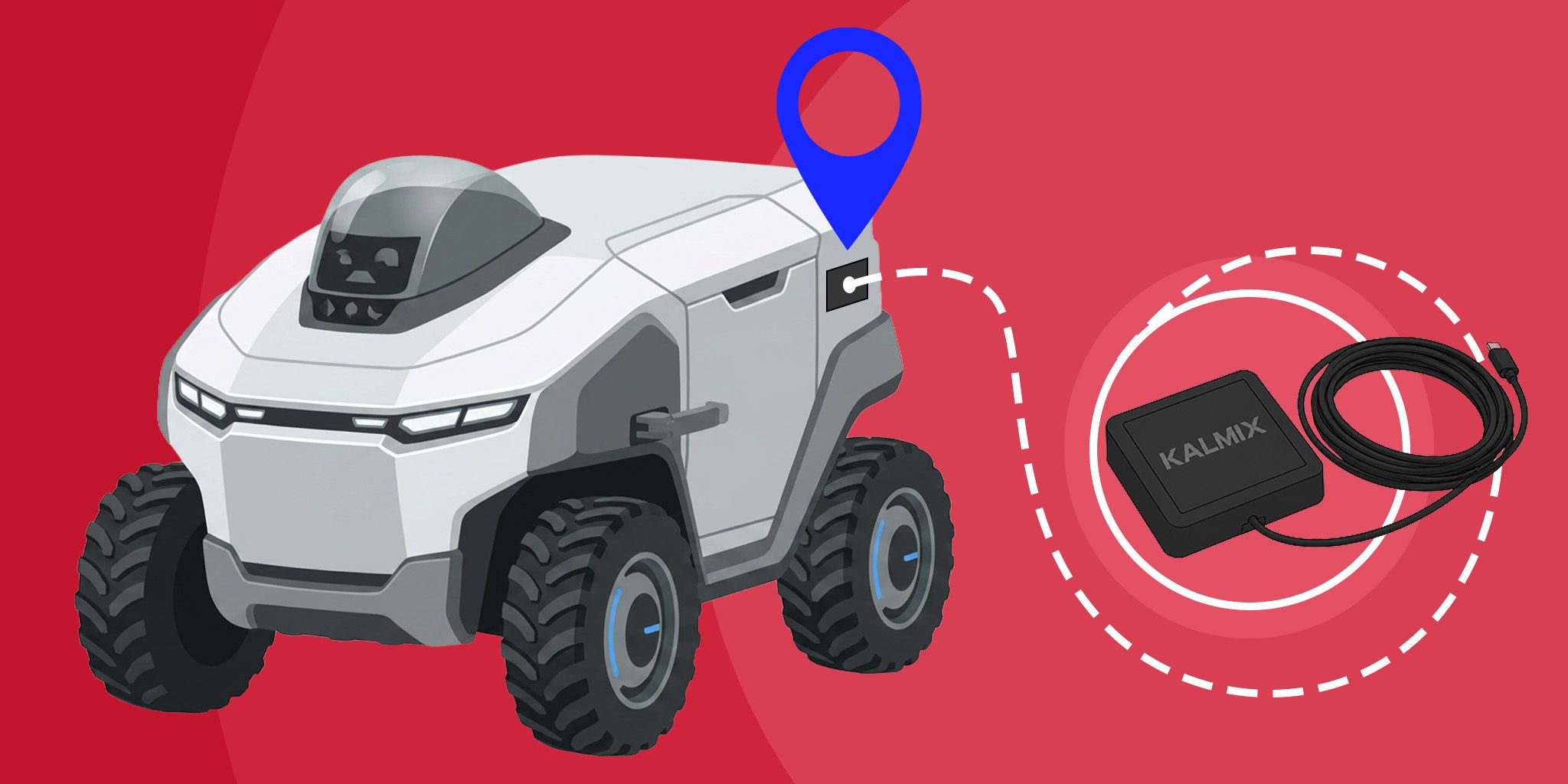
RTK Positioning for Robotics and Field Machines
High-precision positioning. Achieve centimeter-level accuracy without the complexity of building custom hardware from scratch.
High-precision positioning. Achieve centimeter-level accuracy without the complexity of building custom hardware from scratch.
Kalmix
Kalmix

Construction Site Safety Monitoring
AI-powered wearables for real-time PPE compliance monitoring, hazard detection, and incident documentation.
AI-powered wearables for real-time PPE compliance monitoring, hazard detection, and incident documentation.
Iveda
Iveda

Workers' Compensation Fraud Prevention
Quickly verify claims, reduce investigation time, and protect your bottom line with AI-powered video surveillance and analytics.
Quickly verify claims, reduce investigation time, and protect your bottom line with AI-powered video surveillance and analytics.
Iveda
Iveda

Related Solutions
Industrial
RTK Positioning for Robotics and Field Machines
High-precision positioning. Achieve centimeter-level accuracy without the complexity of building custom hardware from scratch.
Kalmix
Construction
Construction Site Safety Monitoring
AI-powered wearables for real-time PPE compliance monitoring, hazard detection, and incident documentation.
Iveda
Construction
Workers' Compensation Fraud Prevention
Quickly verify claims, reduce investigation time, and protect your bottom line with AI-powered video surveillance and analytics.
Iveda