



Shoppertainment: The Future of Entertainment and Shopping
Shoppertainment: The Future of Entertainment and Shopping

- Last Updated: May 26, 2026
Lucas Longhi
- Last Updated: May 26, 2026
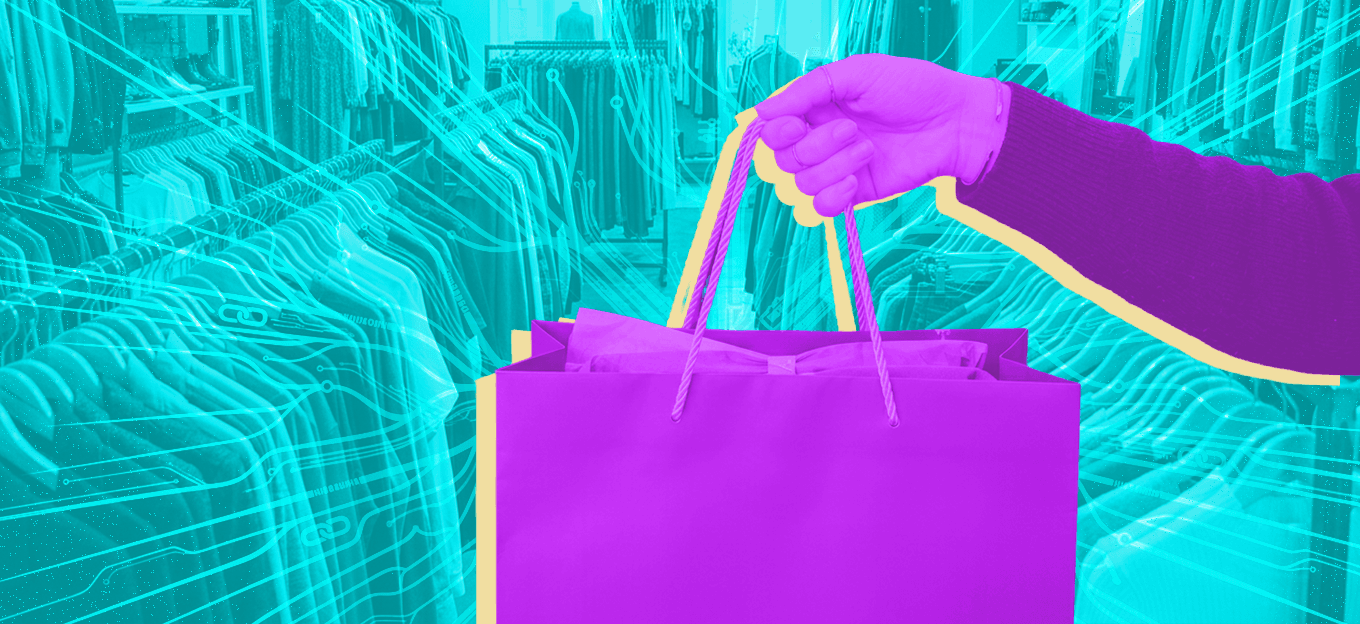
Shoppertainment is changing the way brands and shoppers connect. Imagine shopping that’s not just about ticking things off a list, but about having fun, being surprised, and getting involved, whether you’re scrolling online or strolling through a store. This isn’t just a new trend; it’s a smarter way for brands to stand out, build real loyalty, and offer the kinds of experiences people genuinely crave.
If you’re exploring IoT or digital innovation, Shoppertainment is a space worth watching. In this article, we’ll discuss how it works, why it’s gaining traction, and how technologies such as IoT and AI are making it easier than ever to create immersive and scalable experiences across multiple retail channels.
What is Shoppertainment?
Shoppertainment combines shopping and entertainment. It turns the act of purchasing something into more than just a transaction, transforming it into an interactive, immersive, and memorable experience.
Shopping is no longer just about searching for a product, but about stepping into a brand experience through live online events, gamified in-store activities, and digital storytelling. This approach, often referred to as “story-driven retail,” is designed to create emotions, build memories, and increase the time customers spend in stores or on digital channels.
You’ll see Shoppertainment everywhere: LED displays that respond to movement, live performances in stores, livestream shopping events (live commerce), and interactive videos online. The goal is to make shopping social, fun, and worth talking about.
What does Shoppertainment mean for Ecommerce?
Shoppertainment has the potential to revolutionize ecommerce. In a world filled with endless product listings and static images, it gives digital shopping a new sense of energy. Brands like Disney, TikTok and IOXtream are using gamified experiences, shoppable videos, and live streams to build real connections with customers, transforming passive browsing into active participation.
Direct-to-consumer brands are also joining the trend with interactive content such as quizzes, live Q&As, and reward-based games. These formats keep shoppers engaged and capture their attention, ultimately driving higher purchase rates and conversions. With data-driven personalization, every visit can feel unique and tailored to each shopper.
How does Shoppertainment impact both Ecommerce and physical retail?
Shoppertainment isn’t limited to digital or physical spaces; it thrives in both. Online, it appears through shoppable live streams, interactive videos, and personalized shopping journeys. In the physical world, it takes the form of real-time activations, sensory displays, and in-store gamification.
Physical retail activations
In physical stores, Shoppertainment comes to life through:
- IoT-Enabled Lighting Systems: LED strips, bulbs, and spotlights that change color based on customer actions or web app interactions.
- Gamified Displays & Prize Machines: Interactive experiences that turn engagement into rewards and participation.
- Multisensory Celebration Effects: Confetti, fog, scent, and sound effects that amplify key moments like purchases, milestones, and rewards through immersive sensory experiences.
- AI-Powered Interactive Screens & Real-Time Feedback: Digital screens that display personalized messages, rankings, and dynamic content powered by AI, based on live customer interactions.
A growing number of platforms are beginning to support interactive in-store experiences. These platforms enable brands to expand and personalize in-store experiences, more seamlessly integrating physical and digital engagement.
Digital applications
Digitally, Shoppertainment includes:
- Livestream shopping events where hosts demonstrate products and answer questions in real time;
- Shoppable videos that let viewers buy without leaving the content;
- Gamified apps that reward engagement and encourage exploration;
- Personalized shopping flows powered by real-time data.
These tools not only make online shopping more interactive but also use customer data to personalize experiences and drive deeper engagement.
What technologies enable Shoppertainment?
There are multiple technologies that allow Shoppertainment to work so let’s take a look at a few of them.
IoT Devices
Intelligent sensors, beacons, and connected devices power real-time, interactive retail experiences.
Sensors can trigger lighting changes or activate prize machines based on customer actions, while beacons deliver personalized offers as shoppers move through the store.
Connected displays dynamically adapt content based on proximity and behavior, creating a responsive environment that not only enhances engagement but also generates valuable, real-time insights into customer behavior.
Interactive retail platforms
Interactive retail platforms help brands design and manage experiential activations across stores and events. Solutions such as IOXtream, Mood Media, and RetailNext provide tools to analyze and orchestrate connected experiences, combining physical installations, digital content, and real-time data to create more engaging retail environments.
These platforms allow teams to test new activations, adjust experiences quickly, and scale campaigns across multiple locations while maintaining consistent customer engagement.
Extended Reality (XR)
Extended Reality (XR) blends physical and digital environments to create immersive, interactive shopping experiences. Through technologies like augmented reality (AR) and virtual reality (VR), shoppers can visualize products in their own space, explore virtual environments, or engage with gamified brand interactions.
Beyond visualization, XR enables real-time, contextual experiences that adapt to each user, increasing engagement, extending dwell time, and driving more confident purchasing decisions.
When combined with technologies like IoT, mobile interfaces, and digital displays, XR transforms retail spaces into dynamic, responsive environments that are not only immersive, but also measurable and scalable—turning every interaction into actionable data.
Why is Shoppertainment gaining popularity now?
Shoppertainment is gaining momentum because retail is at a crossroads. Competition in ecommerce is intense, which means physical stores need to offer something that online shopping cannot: memorable and engaging experiences. Today’s shoppers, especially Gen Z, expect more. They want shopping to be fun, social, and interactive—not just a simple transaction.
This shift aligns with the principles of Marketing 6.0, where brands focus on creating personalized experiences and meaningful journeys that blend the best of digital and physical environments. Retailers increasingly rely on data and technology to understand each customer and respond in real time, making every interaction feel more personal.
Consumer behavior has also evolved with what is often described as the internet’s 4S model: streaming, scrolling, searching, and shopping. People move seamlessly between entertainment and commerce, and they expect brands to meet them wherever they are—whether on social media, in livestreams, or inside physical stores. To stand out, retailers need to offer more than products; they need to create moments worth sharing.
For physical stores, this is no longer just a nice-to-have—it’s essential for staying competitive. By adopting Shoppertainment strategies, stores can transform into destinations where people want to visit, spend time, and talk about. By combining entertainment, technology, and personalization, Shoppertainment helps brands stand out in an increasingly crowded marketplace.
Shoppertainment vs experiential retail: What’s the difference?
Both concepts fall under the broader idea of making retail more engaging and enjoyable, but they have different nuances.
Experiential retail focuses on creating deep emotional connections between brands and customers. Its emphasis is on immersive storytelling, personalized services, and memorable moments that build long-term loyalty. This can include workshops, hands-on product demonstrations, or carefully curated store environments designed to stimulate the senses.
For example, Lululemon hosts in-store yoga classes, and Apple offers hands-on technology sessions. These experiences go beyond products, inviting customers to become part of the brand’s community.
Shoppertainment, sometimes referred to as ‘retailtainment’, focuses more on real-time excitement and multisensory interaction. It emphasizes immediate engagement through gamified challenges, instant rewards, live performances, and responsive environments, such as LED walls that change color or digital prize wheels.
Brands like Nike and Starbucks have experimented with interactive experiences to boost engagement and sales. Shoppertainment thrives on play, surprise, and instant gratification, turning shopping into an event in itself.
Experiential retail leans toward emotional branding and long-term relationships, while Shoppertainment focuses on interactive entertainment and immediate engagement. The two approaches can overlap, but understanding the difference helps brands choose the strategy that best fits their goals and audience.
How can brands implement Shoppertainment successfully?
So if you’re trying to make Shoppertainment work for your brand, here’s a practical roadmap:
- Map the customer journey: Consider every touchpoint, from entry to checkout, and plan how you can surprise and engage customers at each stage.
- Choose the right format: Decide whether a pop-up experience, a permanent installation, or a temporary activation for an event best supports your goals and audience.
- Use data for personalization: Leverage customer data to tailor experiences in real time so that every interaction feels relevant and meaningful.
- Start with pilot activations: Test new ideas on a smaller scale, measure results, and refine the experience before expanding to more locations. Interactive retail platforms can help brands quickly deploy and manage these activations across different environments, making it easier to experiment, learn, and iterate.
- Encourage cross-functional collaboration: Bring together marketing, technology, operations, and creative teams to ensure the experience is seamless and aligned with the brand strategy.
By experimenting, measuring results, and refining experiences over time, brands can gradually scale successful Shoppertainment initiatives and create stronger connections with their audiences.
Shoppertainment as the next step in retail evolution
Technologies such as IoT and interactive retail platforms are making this transformation increasingly accessible, especially for pilot projects or scalable activations. Investing in Shoppertainment isn’t just following a trend — it’s a strategic move for brands seeking a competitive edge in an experience-driven marketplace.
Shoppertainment is more than a trend; it represents a natural evolution of retail in response to changing consumer expectations. As brands continue to learn more about their audiences, it becomes easier to combine technology and personalization in meaningful ways that stand out in a competitive market.
By blending entertainment, marketing, and technology, Shoppertainment has the potential to transform both e-commerce and physical stores into more engaging, human-centered, and memorable experiences.

The Most Comprehensive IoT Newsletter for Enterprises
Showcasing the highest-quality content, resources, news, and insights from the world of the Internet of Things. Subscribe to remain informed and up-to-date.

New Podcast Episode

Building Real-Time Voice AI Experiences

Related Articles

Related Solutions
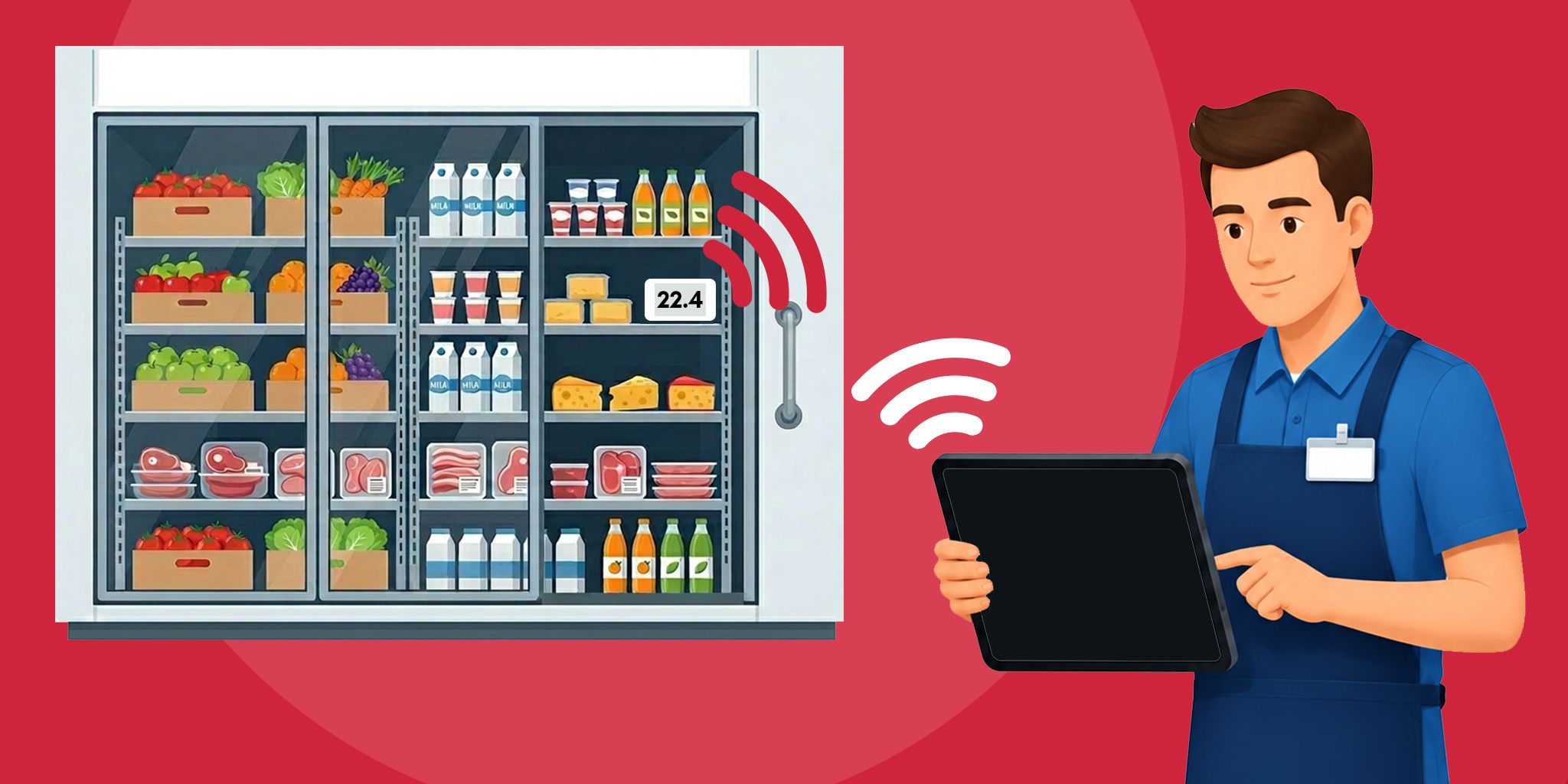
Food Safety Monitoring
Ensure food safety and eliminate manual processes with automated compliance and food condition tracking.
Ensure food safety and eliminate manual processes with automated compliance and food condition tracking.
SmartSense by Digi
SmartSense by Digi
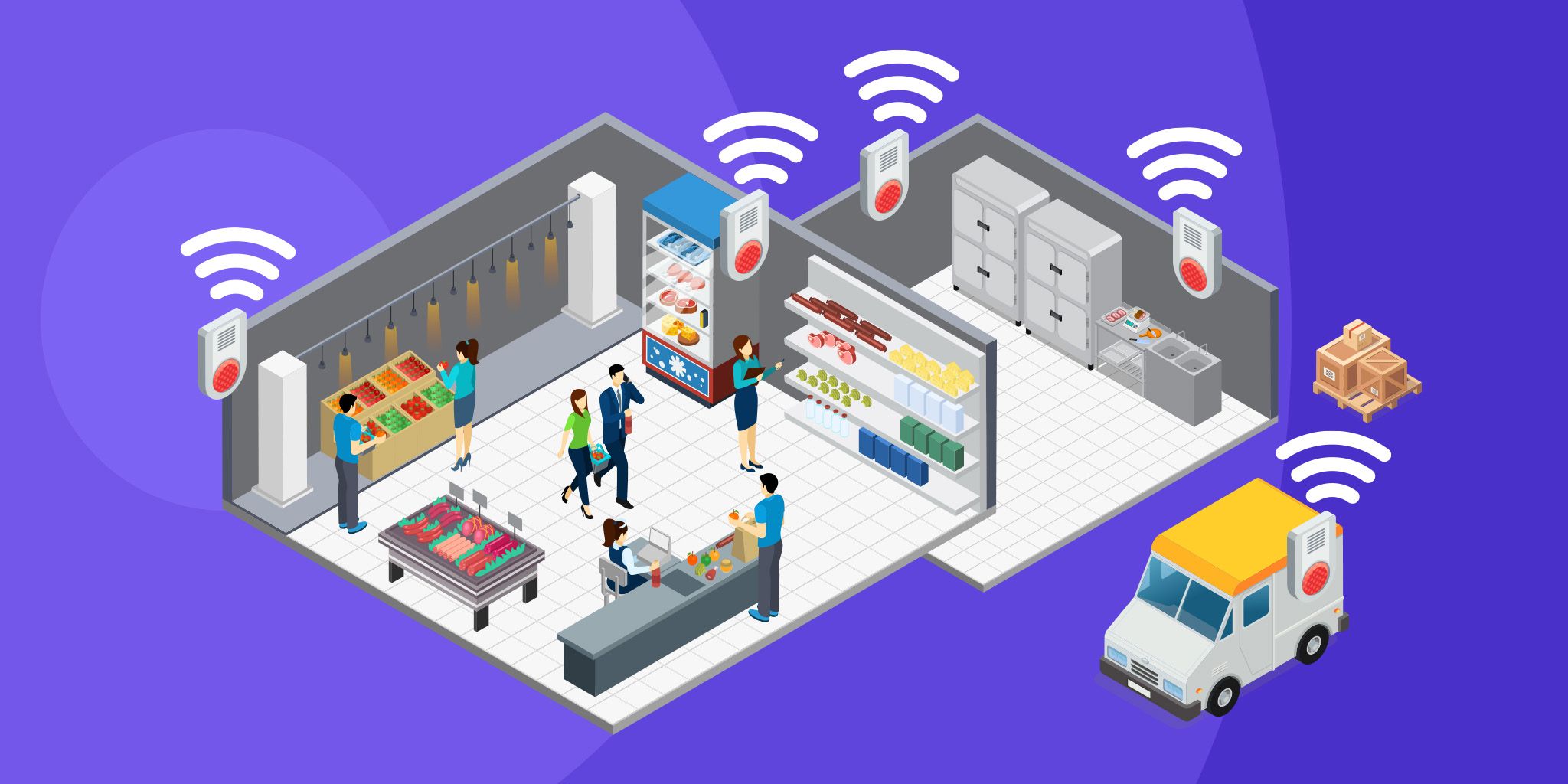
Sensing-as-a-Service for Grocery Stores
Environmental monitoring, compliance tracking, and real-time alerts to help grocers protect perishable goods and streamline labor.
Environmental monitoring, compliance tracking, and real-time alerts to help grocers protect perishable goods and streamline labor.
SmartSense by Digi
SmartSense by Digi
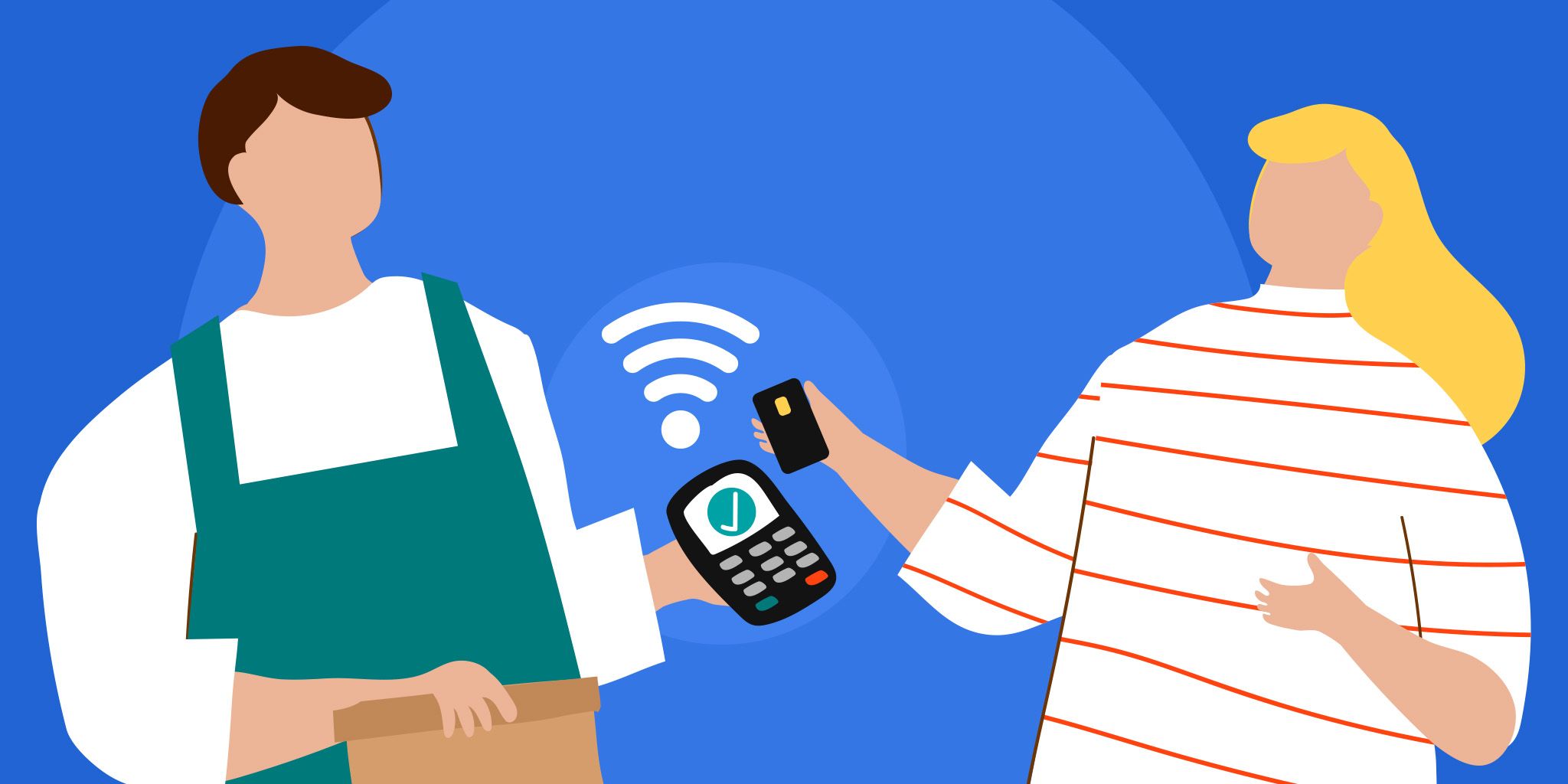
Primary and Failover Connectivity for Retail
4G/5G cellular networks for enabling uninterrupted retail operations with seamless support and rapid deployment across stores.
4G/5G cellular networks for enabling uninterrupted retail operations with seamless support and rapid deployment across stores.
KORE
KORE

Related Solutions
Retail
Food Safety Monitoring
Ensure food safety and eliminate manual processes with automated compliance and food condition tracking.
SmartSense by Digi
Retail
Sensing-as-a-Service for Grocery Stores
Environmental monitoring, compliance tracking, and real-time alerts to help grocers protect perishable goods and streamline labor.
SmartSense by Digi
Retail
Primary and Failover Connectivity for Retail
4G/5G cellular networks for enabling uninterrupted retail operations with seamless support and rapid deployment across stores.
KORE